Yao-shinSake Brewery in Yamaguchi Prefecture

Yaoshin logo

A lingering depth in harmony with the calm inland sea.

In historic Iwakuni, Yao-shin creates sake with gentle structure, subtle depth, and a calm connection to food.

History of Yao-shin Brewery


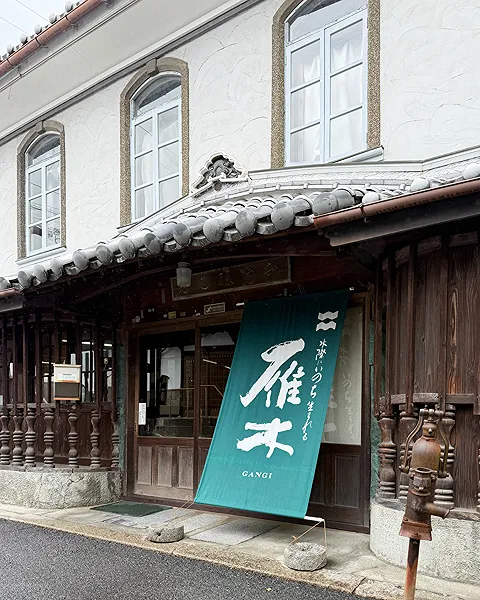
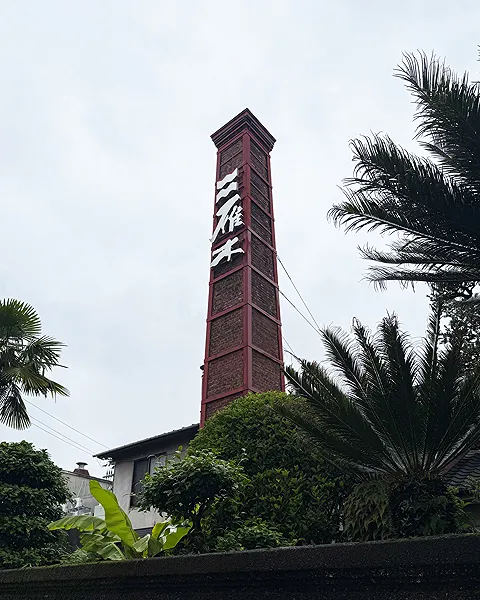
Yao-shin Brewery was founded in 1871 in Iwakuni, Yamaguchi Prefecture. The city developed as a castle town and remains known for its historic scenery, including Kintaikyo Bridge, as well as its connection to the Seto Inland Sea.

The brewery has long worked within a culture shaped by inland agriculture and coastal exchange. Its sake has been made for meals, gatherings, and everyday enjoyment, where balance matters more than loud expression.

Across generations, Yao-shin has preserved a restrained and thoughtful style. It continues to refine sake that feels steady, grounded, and deeply suited to the rhythm of local life.
Philosophy of Yao-shin Brewery


Yao-shin’s philosophy is defined by quiet consistency. The brewery does not pursue dramatic changes in style. It values the slow refinement of balance, depth, and texture.

Clean underground water from the Iwakuni area gives the sake a gentle base. Carefully selected brewing rice, including Yamada Nishiki, is polished not for extremity, but for the point where clarity and umami meet most naturally.

The result is sake with presence, but not insistence. It is designed to sit comfortably with food and to reveal its depth over time.

Prefecture

Yamaguchi Prefecture Iwakuni | Chugoku Region in Japan

Iwakuni sits in eastern Yamaguchi, between the Chugoku mountains and the Seto Inland Sea. The Nishiki River flows through the region, carrying clear mountain water that has supported agriculture, daily life, and brewing for centuries.

Rainfall filters through forested land before becoming soft groundwater. This water helps produce sake with a rounded structure and a calm, balanced finish.

The mild coastal climate and access to seafood have shaped a cuisine that favours subtlety and harmony. Yao-shin’s sake reflects that environment beautifully: gentle, layered, and quietly persistent.

Yao-shin’s Sake Products

From the Interview

Reflections from Yao-Shin Brewery

Letting the Sake Develop Naturally, with Care at Every Stage

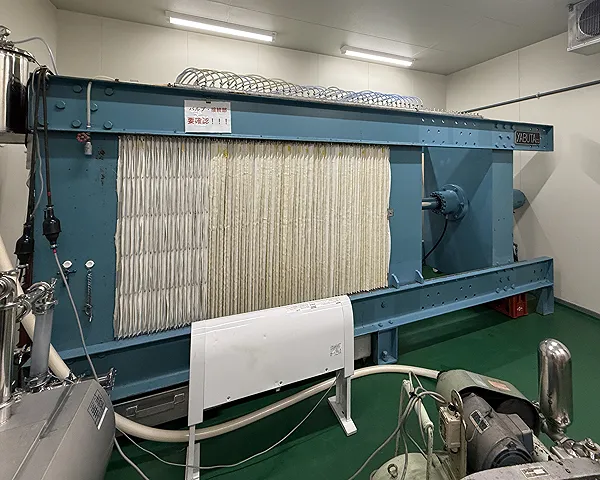
What comes through most clearly in the interview with Yao-Shin Brewery is the idea of making an honest, straightforward sake that develops naturally. From fermentation and pressing through to storage, movement and pasteurisation, the brewery tries to minimise unnecessary stress on the sake. At the same time, it makes practical use of digital technology for water and temperature management, keeping a clear distinction between the work best done by people and the work best handled by machines.

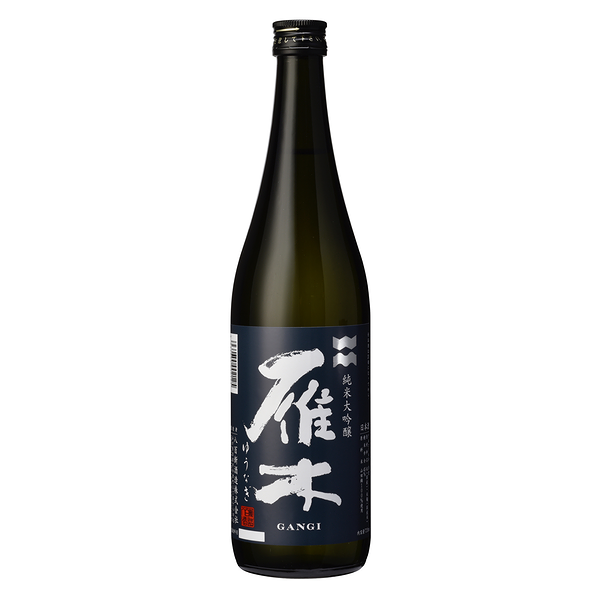
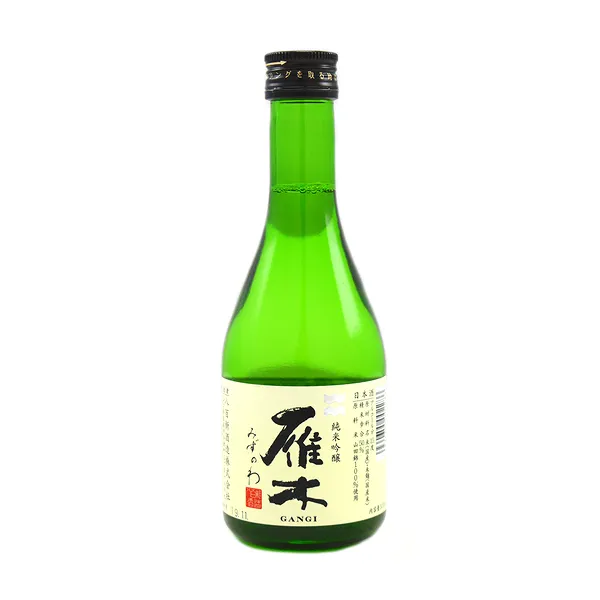
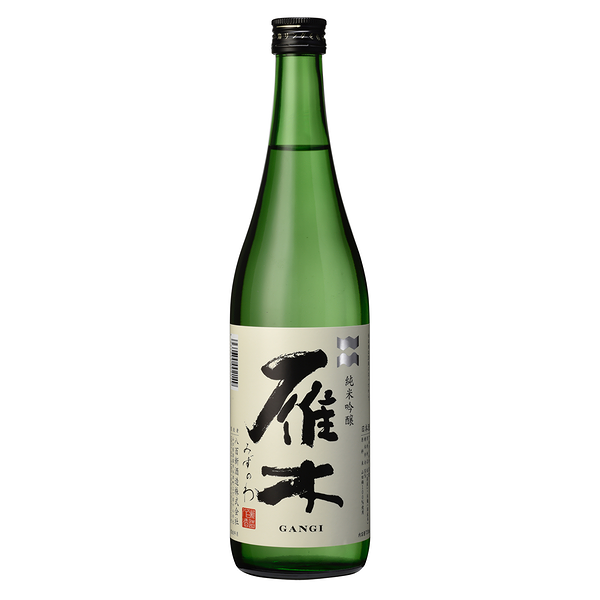
“Gangi is of course delicious in the first glass, but it becomes even more enjoyable from the second glass onwards.”

A Sake That Becomes Better from the Second Glass

Yao-Shin does not define the appeal of Gangi by the impact of the first sip alone. The fermentation is allowed to progress freely, while the sake is handled carefully after pressing, with unnecessary stress kept to a minimum during storage, movement and pasteurisation.

The result is intended to reveal itself gradually as the drinker continues. The brewery is often told that even after tasting several other sakes and beginning to feel tired, people still want one final glass of Gangi. Rather than demanding attention, it is designed to remain comfortable and inviting throughout the drinking experience.

“That is why the sake grows in an honest and natural way.”

The Idea of an Honest Sake

During the interview, Gangi is described with the Japanese word sunao, a word that suggests honesty, openness and a lack of unnecessary force. The brewery does not try to build character through excessive intervention. Instead, it creates the conditions in which the sake can develop naturally.

This idea of honesty is therefore not simply a tasting note. It describes an approach to brewing. By avoiding unnecessary stress and handling the sake carefully through each stage, Yao-Shin aims for a drink that feels clean, composed and easy to return to.

“We work on the assumption that water quality can change. In my generation alone, we have dug three new wells. We test the water continuously and use the one that is in the best condition.”

Never Taking Good Water for Granted

Yao-Shin uses water from the wider Nishiki River system, but the brewery does not assume that local water will always remain suitable simply because of where it comes from. Water quality can change with the environment, so it is tested continuously and the best source is selected according to its condition.

There have even been periods when the brewery chose not to use its local water and instead sent a tanker to collect brewing water from further away. New wells have also been dug to provide more options. The priority is not attachment to a single source, but choosing the water that is genuinely best for the sake.

“In the end, I think we make extensive use of digital technology in order to achieve what we actually need in our brewing.”

Using Digital Technology to Support Handwork

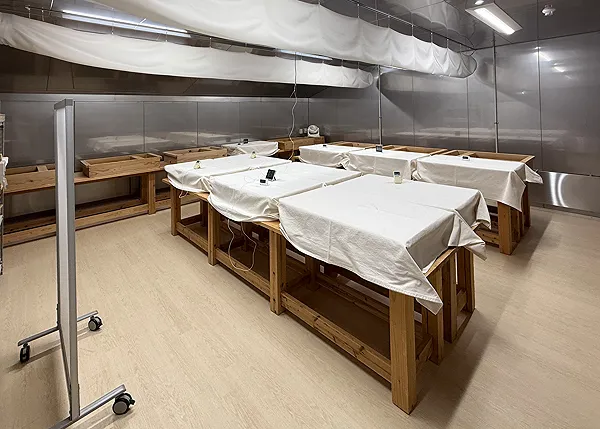
Digitalisation is not treated as a goal in itself at Yao-Shin. Koji making remains largely manual, but wireless temperature sensors allow the brewers to understand exactly when work needs to be done without remaining in the koji room at all times.

The same philosophy applies to pasteurisation. The brewery continues to use the traditional method of heating sake in the bottle, while working with an equipment manufacturer to improve temperature control and reproduce the required heating curve more precisely. Human judgement remains where it matters, while machines are used for the tasks they can perform more consistently.

“Our approach is to strengthen what we do in Japan, and to develop overseas markets as an extension of that.”

Developing Japan and Overseas Markets Together

Yao-Shin does not view international sales as something separate from its position in Japan. Greater recognition at home can support credibility overseas, while being discovered in restaurants and markets abroad can in turn strengthen awareness back in Japan.

The brewery has also seen opportunities emerge in places it did not initially expect, reinforcing the importance of maintaining contact and continuing to gather information. Rather than committing resources too aggressively, Yao-Shin prefers a measured approach that builds its domestic position while allowing international relationships to develop over time.