TsukasabotanSake Brewery in Kochi Prefecture

Tsukasabotan Brewery Logo

Refined by clear rivers, poised in character.

In the culture of Tosa, clear river water, bold cuisine, and open hospitality shape sake designed to support food and shared time.

History of Tsukasabotan Brewery


Tsukasabotan traces its origins to 1603 in Sakawa, Kochi Prefecture. Over more than four centuries, the brewery has grown alongside the culture of Tosa, where sake is closely connected with food, gathering, and generous hospitality.

In Kochi, drinking is rarely separate from eating. Sake belongs to the table, to conversation, and to shared time. Tsukasabotan has developed within that culture, creating sake that supports strong local flavours while retaining poise and elegance.

The brewery’s long history is not simply a matter of age. It is a record of adaptation, discipline, and continued attention to how sake works in real life. That makes its style both traditional and relevant.
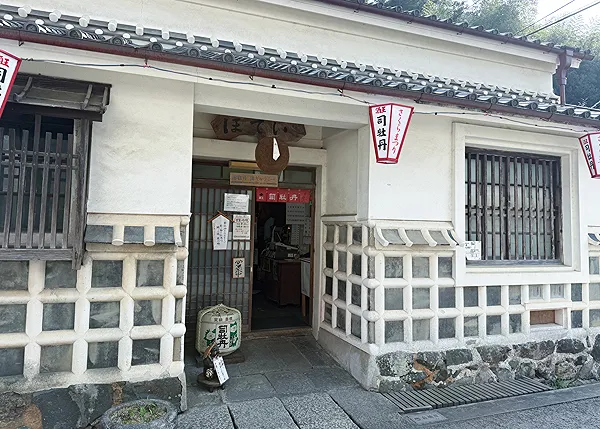
Philosophy of Tsukasabotan Brewery


Tsukasabotan’s philosophy begins with the table. Sake should enhance food, extend conversation, and make the experience of sharing a meal feel more complete. It should have character, but it should not demand all the attention.

Clear river water, seasonal ingredients, and the openness of Tosa drinking culture all inform the brewery’s sense of balance. The sake is shaped to be clean, structured, and refreshing, with enough depth to accompany bold dishes.

This is not restraint for the sake of restraint. It is thoughtful design. The brewery understands that a good food sake must keep giving pleasure over time.

Prefecture

Sakawa, Kochi Prefecture | Shikoku Region, Japan

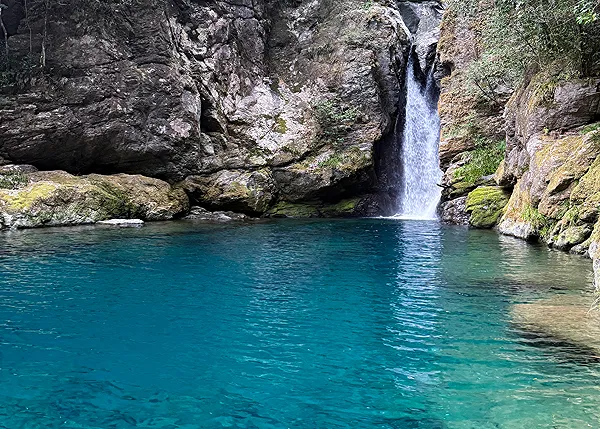
Kochi is defined by the meeting of mountains and the Pacific Ocean. Clear rivers flow from the Shikoku mountains towards the sea, bringing clean water and shaping a landscape rich in natural ingredients.

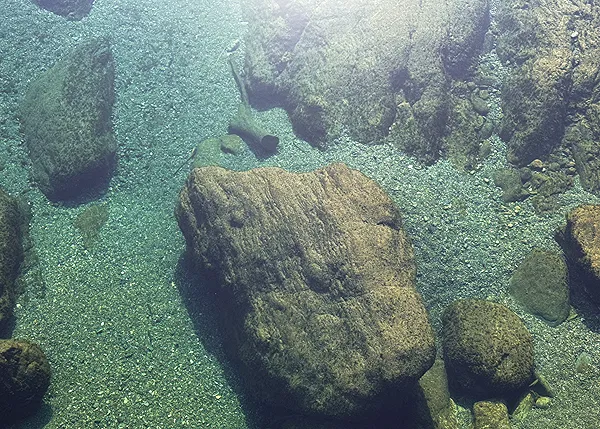
The Niyodo River system, famous for its remarkable clarity, is one of the symbols of this environment. Rainfall filtered through forested slopes becomes balanced water suited to sake brewing, while the coast provides seafood such as bonito, central to Tosa cuisine.

This food culture is vivid and generous. Sake needs freshness, structure, and a finish that keeps the palate clear. Tsukasabotan’s style reflects that terroir, offering a poised expression of river, sea, and shared hospitality.

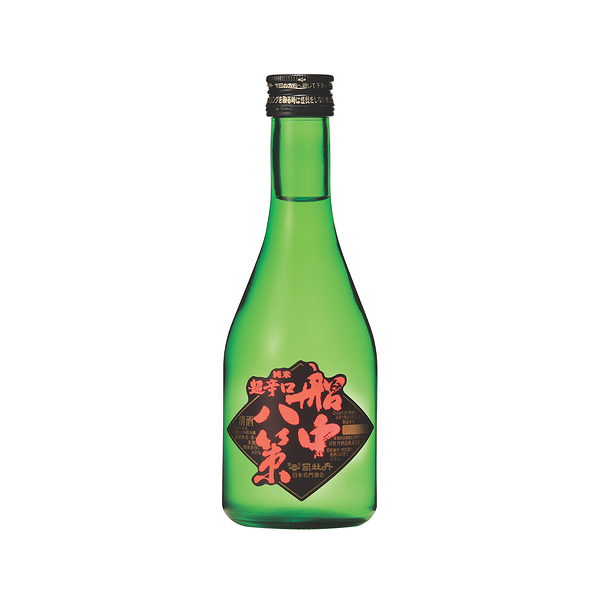
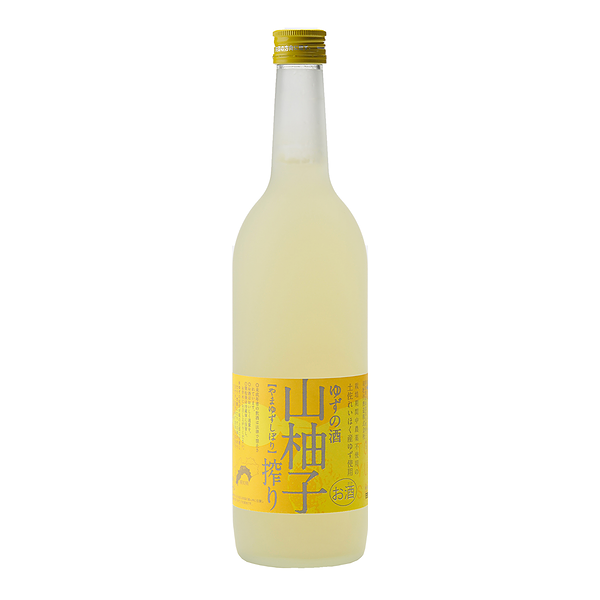
Tsukasabotan Sake Products

From the Interview

Reflections from Tsukasabotan Brewery

More Than 420 Years of Brewing Sake to Bring Out the Best in Food

What stands out most in the interview with Tsukasabotan is not simply the brewery's long history, but the clarity of its belief that sake should make food taste better. Using the abundant water of Kochi, the brewery pursues a dry style with enough umami to support food, particularly seafood and dishes that allow the ingredients themselves to take centre stage. This idea of sake for the table shapes both the brewery's identity and the way it introduces its sake overseas.

“We were founded in 1603, so we have more than 420 years of history. When we go to places such as America, people are surprised when we tell them that we are older than America itself.”

Brewing Since 1603

Tsukasabotan was founded in 1603, only three years after the Battle of Sekigahara. It is regarded as one of the oldest surviving sake breweries in Shikoku, and the sheer length of that history often makes a strong impression on people overseas.

The brewery also has connections with historical figures associated with Kochi, including Sakamoto Ryoma. More importantly, however, its long history represents centuries of brewing within the food culture and daily life of the region. The date is not simply a mark of age. It reflects continuity, adaptation and a long relationship with the people around the brewery.

“For me, the best thing is when the food tastes better, the sake tastes better, and you want to keep enjoying both.”

Dry Sake That Makes Both Food and Drink Better

Tsukasabotan does not define good sake by impact alone. The ideal is a sake that reveals its value when it is served with food, particularly seafood. Eating makes you want another sip, and drinking makes you want another bite. That rhythm is central to the brewery's idea of sake for the table.

Kochi is known for its dry sake culture, but dryness by itself is not the goal. The sake must retain enough umami to give it depth and to work naturally with food. For Tsukasabotan, the balance between dryness and flavour is what allows both the dish and the sake to become more enjoyable together.

“If we are talking about what is good here, the water is overwhelmingly good.”

Kochi's Water at the Heart of the Brewery

Kochi has one of the highest proportions of forested land in Japan, together with abundant rainfall and mountainous terrain. For Tsukasabotan, this creates an exceptional water environment and gives the brewery one of its most important natural advantages.

The region, however, was not historically ideal for growing premium rice. Its warm climate and exposure to typhoons meant that older breweries often looked beyond the prefecture for high quality sake rice, including Yamada Nishiki from Hyogo. Tsukasabotan's brewing developed through this combination of outstanding local water and a willingness to secure the right rice from wherever it could be found.

“We first let them take a sip, then have something simple to eat. After that, we ask them to try the sake again. When they do, they say the sake tastes different, or that it suddenly tastes much better.”

Understanding Dry Sake Through Food

At overseas tastings, fruity and sweeter styles of sake can be easier to understand immediately. A dry sake may be less obvious when tasted on its own, particularly for someone who is still becoming familiar with the category. Tsukasabotan has therefore used food as part of the tasting itself.

The process is simple. Guests taste the sake, eat a small amount of food, then return to the same glass. The change in perception can be striking. What seemed understated at first suddenly makes sense beside the food. For the brewery, this experience is one of the most effective ways to communicate the purpose of dry sake to a wider audience.

“Especially with dry sake, I imagine it supporting the dish from underneath, almost like dashi, and lifting it up.”

Supporting the Dish from Underneath

One of the most distinctive ideas in the interview is Tsukasabotan's description of how dry sake works with food. Rather than adding something on top of a dish, it acts more like dashi underneath it, supporting the flavours and helping them rise.

This idea is particularly relevant to dishes that focus on the natural character of their ingredients. As this style of cooking becomes more common internationally, the role of sake becomes easier to understand beyond Japanese cuisine. The sake does not need to become the centre of attention. Its role is to preserve the character of the food and make that character feel even more complete.

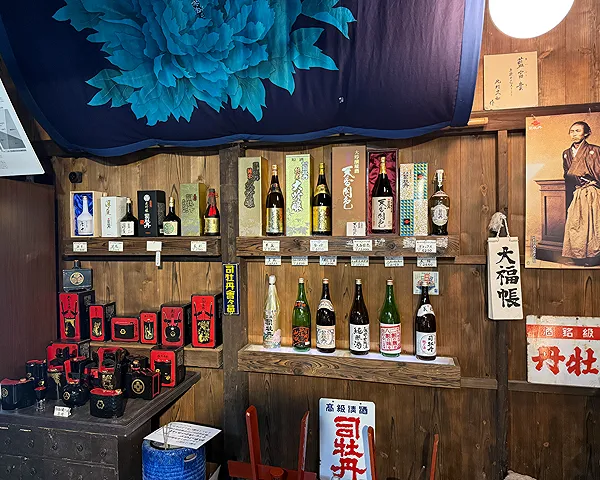
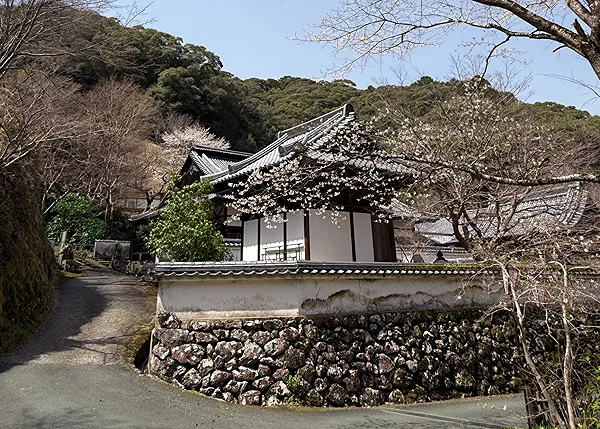
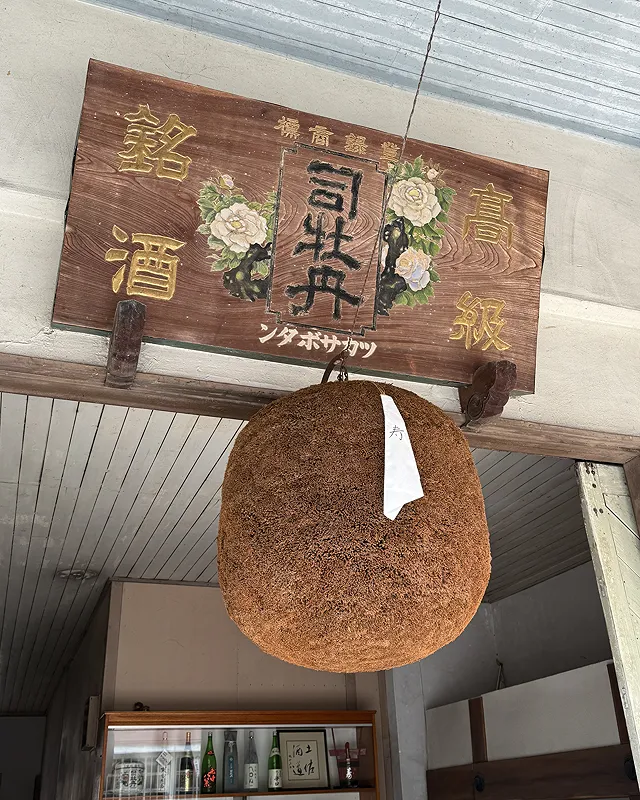
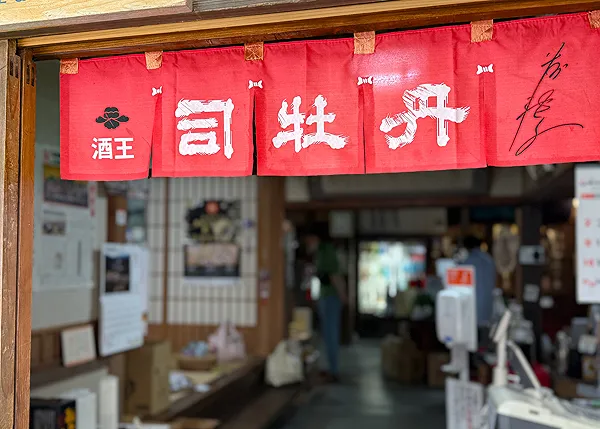
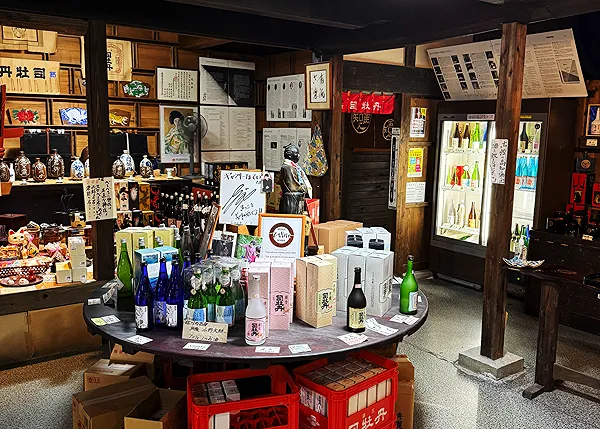
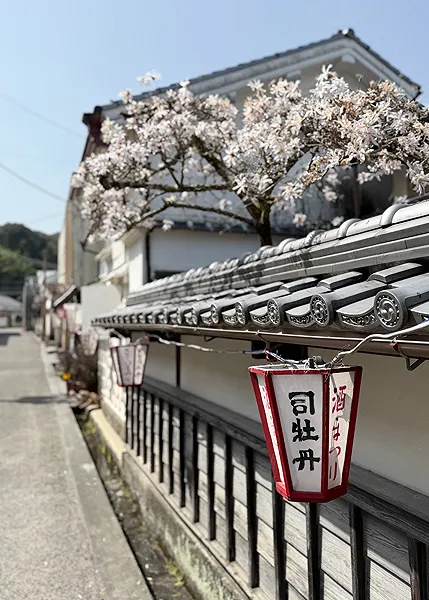
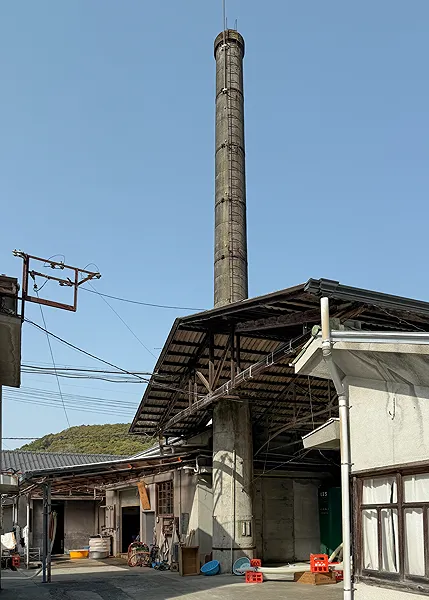
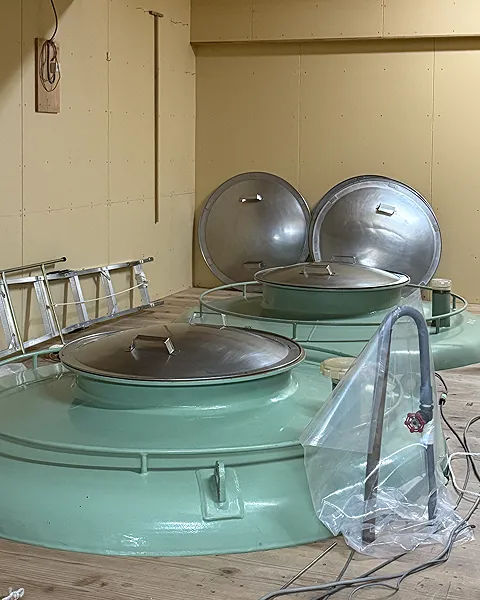
Photos from out visit to Tukasabotan Brewery in 2025

Photos from our visit to Tsukasabotan Brewery