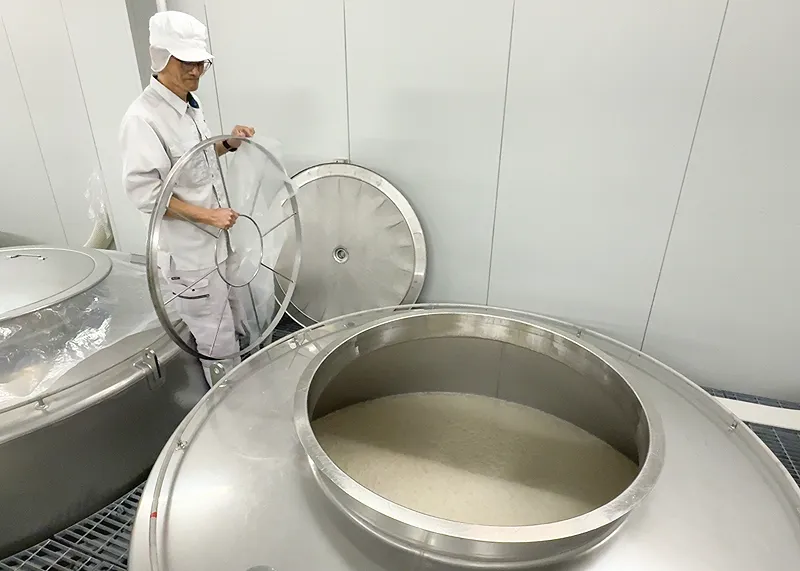
TosatsuruSake Brewery in Kochi Prefecture

A sake rooted in the rhythm of daily life.

From coastal Kochi, Tosatsuru creates balanced dry sake made to accompany meals, gatherings, and the everyday culture of Tosa.

History of Tosatsuru Brewery


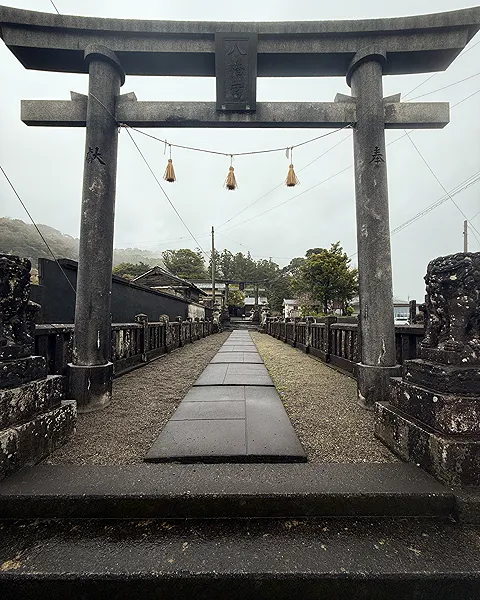
Tosatsuru Brewery was founded in 1773 in Aki, Kochi Prefecture. For generations, it has brewed sake in a region where the sea, mountains, and the social culture of Tosa all meet at the table.

The brewery’s history is closely connected to everyday drinking culture. In Kochi, sake has long been enjoyed with food, at festivals, and in seasonal gatherings. It is not distant or ceremonial only. It is part of life.

Tosatsuru has built its reputation by focusing on consistency, approachability, and balance. Its sake is designed to be enjoyed steadily, supporting food without overwhelming it and offering a familiar sense of regional character.
Philosophy of Tosatsuru Brewery


Tosatsuru values sake that can be returned to again and again. The brewery places less emphasis on strong individual display and more on a clean structure, calm aroma, and refreshing finish.

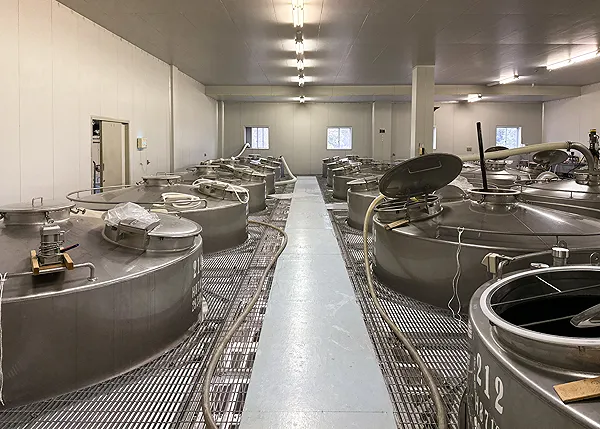
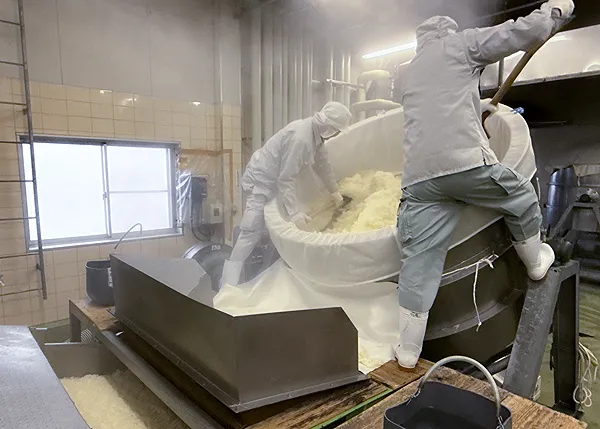
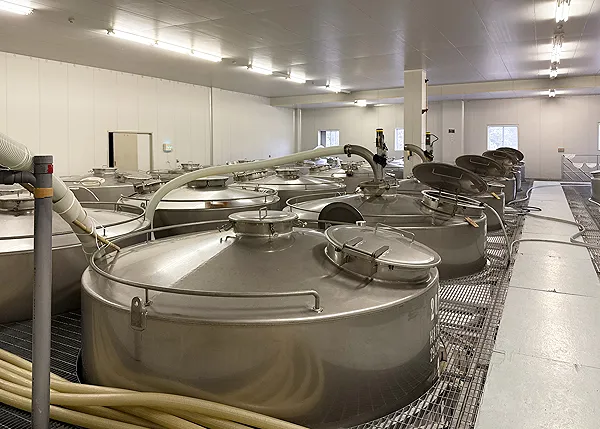
Brewing water from the mountains around Aki helps create a clear profile with minimal heaviness. Careful low-temperature fermentation supports transparency and a dry, well-shaped finish that fits naturally with Kochi cuisine.

The philosophy is practical and confident. Make sake that works at the table. Make it balanced. Make it dependable.

Prefecture

Kochi Prefecture Aki | Shikoku Region in Japan

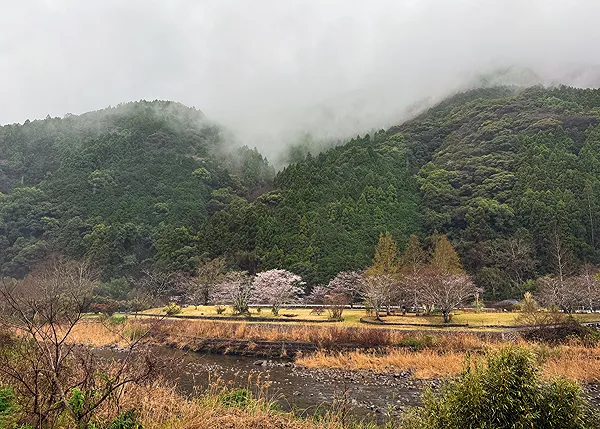
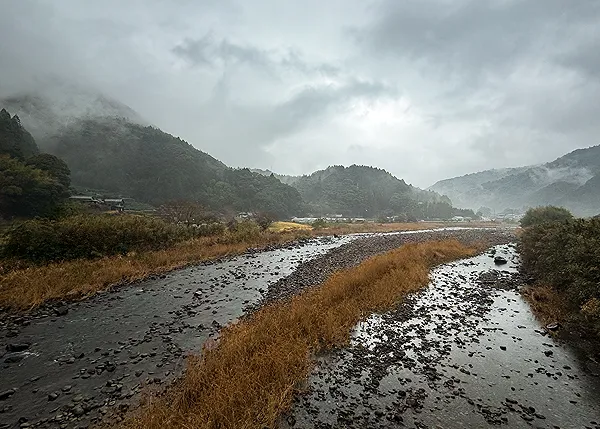
Aki lies between the mountains of Kochi and the Pacific Ocean. This geography gives the region access to clean inland water and abundant seafood, forming a food culture with both freshness and depth.

The clear water that flows from the surrounding hills is well suited to brewing, while the coastal setting has encouraged a cuisine centred on fish and seasonal ingredients. Sake has developed here as a natural partner to food rather than a separate luxury.

Tosatsuru’s sake reflects this setting through its dry, balanced character. It carries the strength of Tosa without becoming forceful, and the clarity of mountain water without becoming thin.

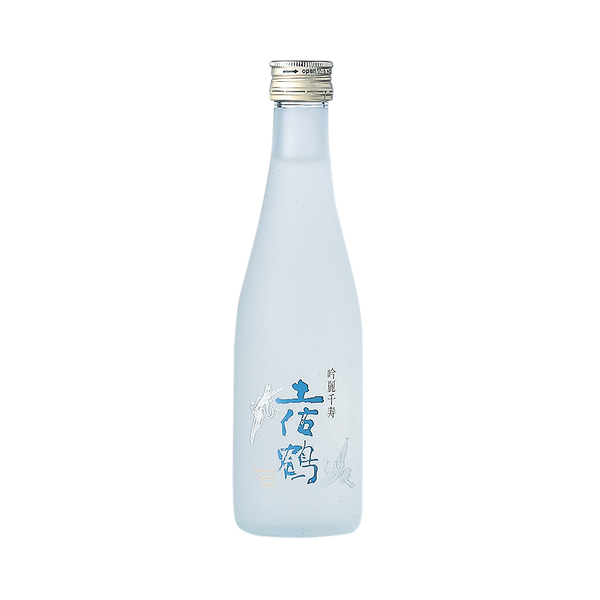
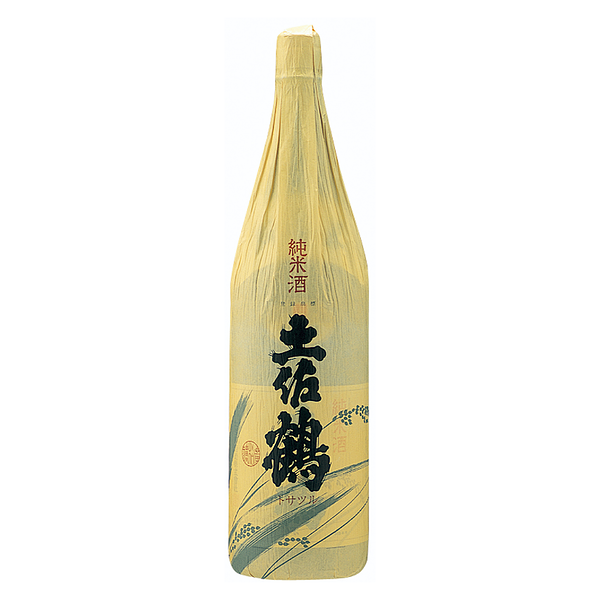
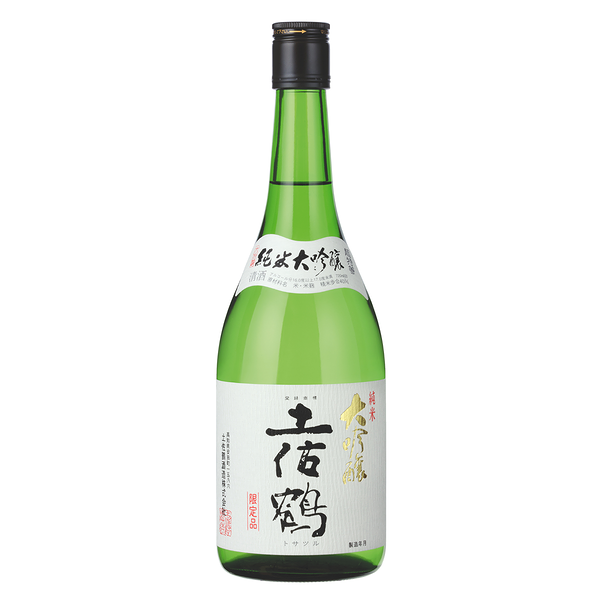
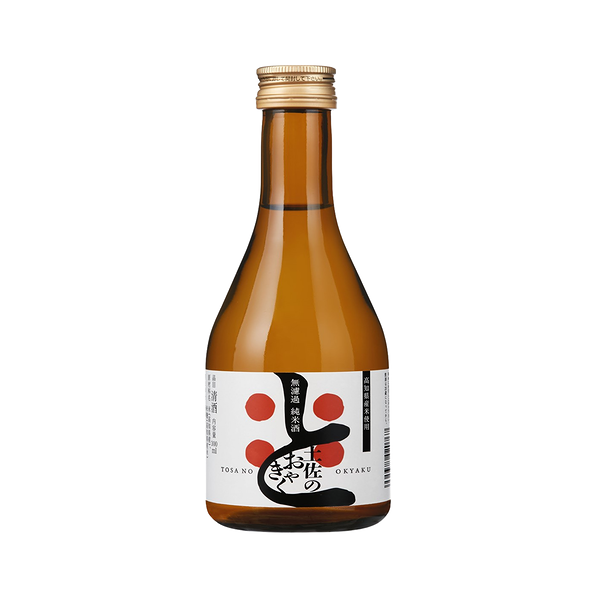
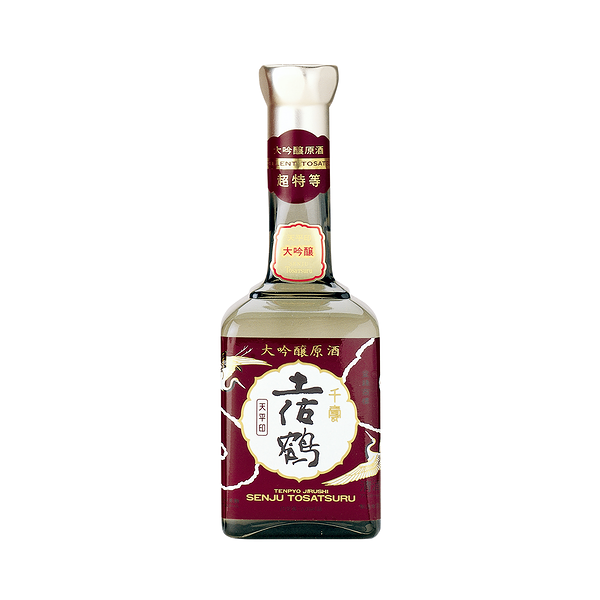
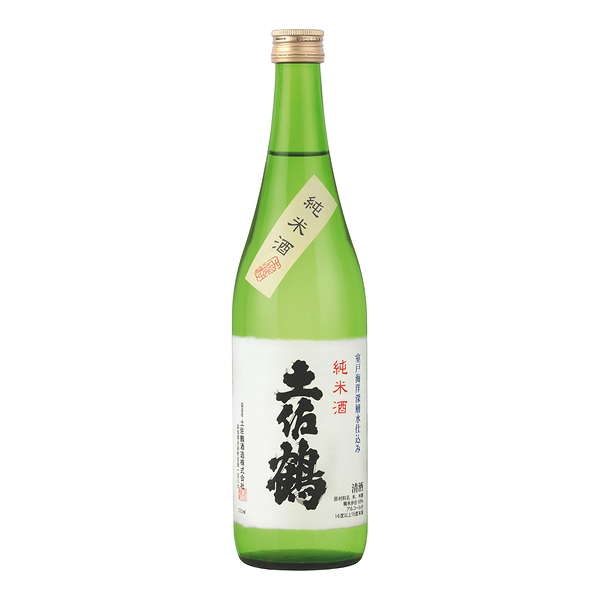
Tosatsuru Sake Products

From the Interview

Reflections from Tosatsuru Sake Brewing

Preserving Kochi's Clean, Dry Style Through Consistency and Technique

What stands out in the interview with Tosatsuru is the discipline required to preserve a style over more than two centuries while working with ingredients that change from year to year. Using the underground water of the Yasuda River system, the brewery creates the conditions in which yeast and koji can perform at their best, aiming for a clean, dry style that remains recognisably Tosatsuru and becomes even more expressive alongside food.

“We are working with microorganisms, so the important and difficult part is how well we can manage them, or rather how we can create an environment in which the yeast and koji can do their best.”

Creating the Right Environment for Microorganisms

Tosatsuru describes one of the central difficulties of sake brewing as working with living microorganisms. Yeast and koji cannot simply be controlled in the same way as a machine. The brewer's role is to create the conditions in which they can perform properly.

There is great satisfaction when the sake develops as intended, but that result is never guaranteed. This uncertainty makes continuous observation and improvement essential and keeps brewing a process of constant learning.

“We want to keep developing every day while retaining, at its foundation, the traditional flavour of Kochi sake and the flavour of Tosatsuru.”

Evolving While Preserving Kochi's Dry Sake Tradition

Kochi has long been associated with a clean, dry style of sake, and that tradition remains central to Tosatsuru. At the same time, consumer tastes have become more varied, creating demand for styles with greater sweetness, aroma or body.

The brewery therefore sees development as a matter of balance. It responds to changing preferences and experiments with different expressions, while keeping the fundamental character of Tosatsuru intact. Innovation is useful only when the identity of the sake remains recognisable.

“Water is one of the important elements that determines the character of the sake.”

Underground Water from the Yasuda River System

Rice and water make up most of sake, and Tosatsuru regards water as one of the elements that most directly shapes its character. The brewery uses underground water from the Yasuda River system for brewing.

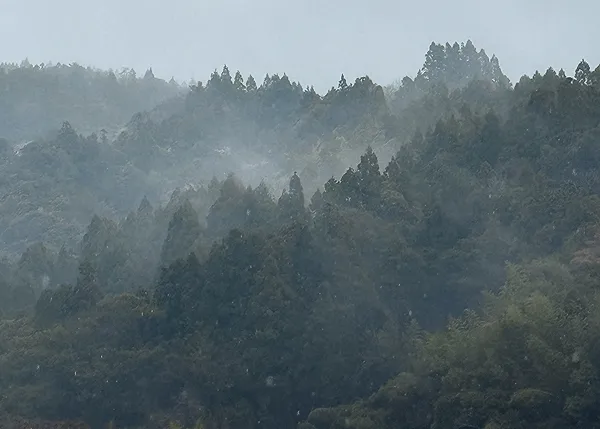
Kochi is one of Japan's most heavily forested prefectures, and the upper reaches of the Yasuda River are surrounded by extensive forests, including the area known for Yanase cedar. Water stored in this environment filters underground before reaching the brewery. This natural source supports the clean and delicate profile associated with Tosatsuru.

“We need to keep the sake at a consistent level of quality even though we are brewing with rice that is different every year.”

Creating Consistency from Rice That Changes Every Year

Rice does not arrive with exactly the same characteristics every vintage. Even so, customers expect the flavour of Tosatsuru to remain reliable. Achieving that consistency requires the brewers to understand the condition of each year's rice and adjust the brewing process accordingly.

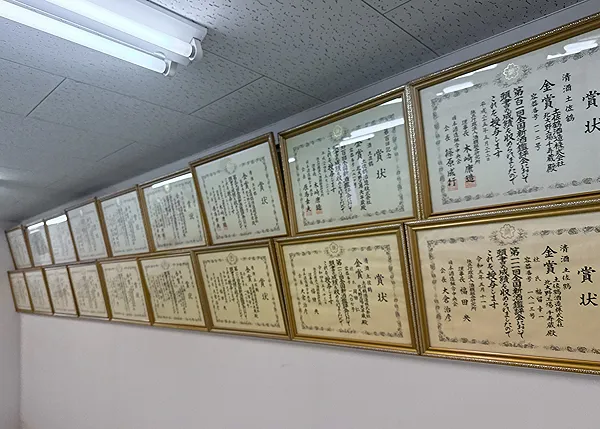
Tosatsuru sees its long record of success at the Annual Japan Sake Awards as evidence of this technical discipline. The significance lies not simply in receiving awards, but in the ability to reproduce a high level of quality under changing conditions year after year.

“When you enjoy it with food, it brings out the flavour of the dish, while the flavour of the sake itself also deepens with the food, so it can be thoroughly enjoyed as a sake for the table.”

A Clean, Dry Sake That Develops with Food

Tosatsuru's clean, dry style can be enjoyed on its own, but its character becomes particularly clear with food. The aim is for the sake to enhance the dish without overpowering it, while the food in turn reveals greater depth in the sake.

The brewery also sees this as relevant to European dining. Compared with wine, sake can appear especially clean and delicate, and Tosatsuru believes that this quality gives it potential with a broad range of dishes, not only seafood. Its strength overseas lies in being presented not simply as a Japanese speciality, but as a versatile drink for the table.