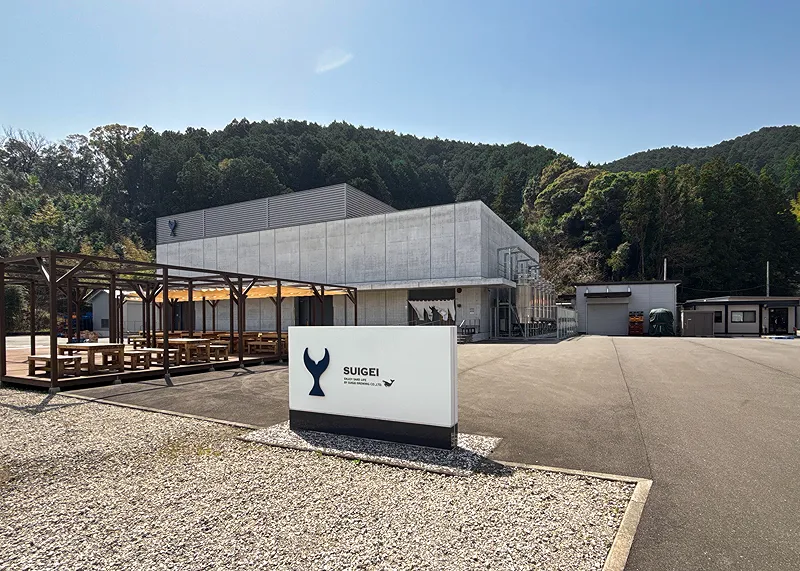
SuigeiSake Brewery in Kochi Prefecture

A precise dryness that brings cuisine to life.

Built around the food culture of Tosa, Suigei creates dry sake with discipline, clarity, and a finish designed for the table.

History of Suigei Brewery


Suigei Brewery was founded in 1872 in Kochi Prefecture, a region where sake and food have always been closely linked. In Tosa culture, drinking is part of sharing, and sake is valued for the way it supports dishes, conversation, and time together.

The brewery developed its identity through this everyday yet highly distinctive food culture. Kochi’s cuisine, with bonito and other seafood at its heart, calls for sake that can refresh the palate and sharpen the outline of flavour.

Over time, Suigei has refined a style centred on clean dryness and balance. It does not chase sweetness or excessive aroma. It gives the meal more life. That is the point.
Philosophy of Suigei Brewery


Suigei’s brewing philosophy is based on one clear idea: sake should illuminate the meal. Dryness is not treated simply as a low level of sweetness. It is a structure that helps food taste clearer and more complete.

The brewery uses the soft, clear water of Kochi while managing fermentation to create firmness, acidity, and a clean finish. This balance allows the sake to work with dishes that have salt, smoke, citrus, or strong umami.

The result is disciplined, but not cold. Suigei’s sake has energy, precision, and a sense of purpose, making it particularly well suited to modern dining.

Prefecture

Kochi Prefecture | Shikoku Region in Japan

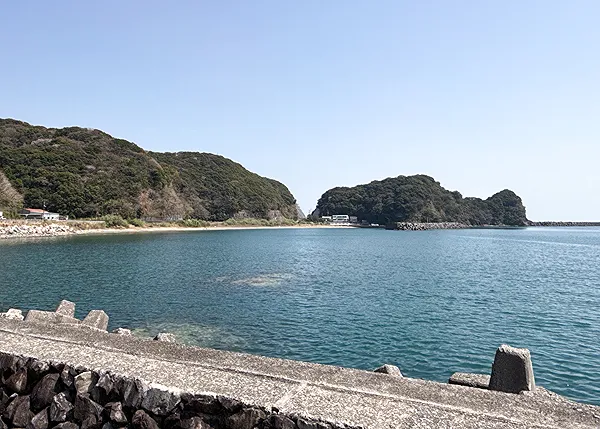
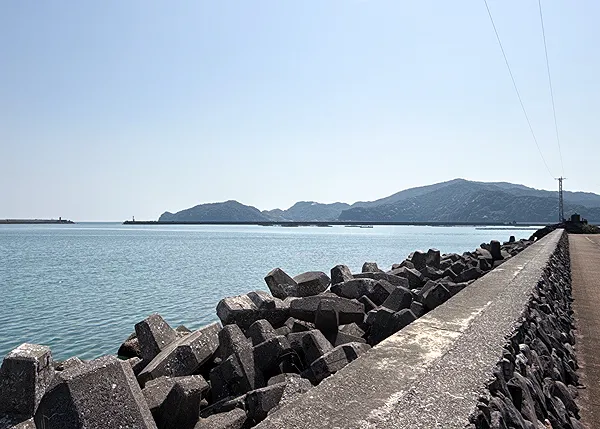
Kochi faces the Pacific Ocean and is blessed with both rich seafood and clear mountain water. Rivers descending from the Shikoku range bring balanced water to the plains, while the sea provides ingredients that define the regional table.

Tosa cuisine often has bold flavours. Bonito, salt, citrus, and fire all play important roles, and sake must be able to respond without becoming heavy or sweet. A clean dry finish is not an accessory here. It is essential.

Suigei’s sake expresses this environment through clarity and cut. It is dynamic yet controlled, shaped by a food culture where sake is expected to keep the palate moving.

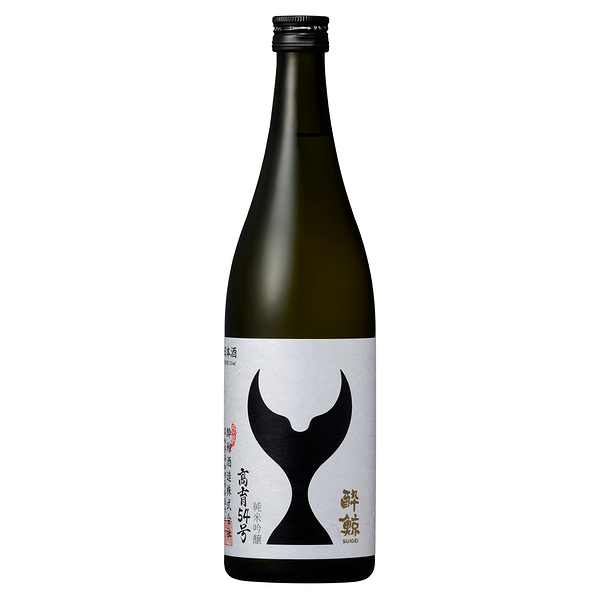
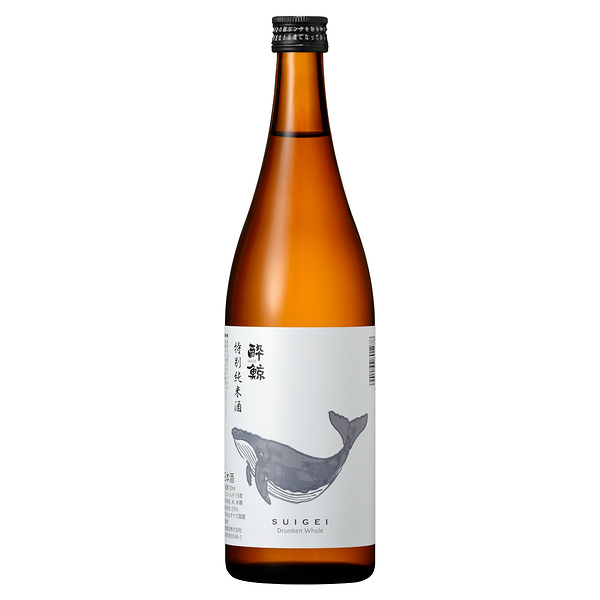
Suigei Sake Products

From the Interview

Reflections from Suigei Brewing

Sake Designed to Sit Naturally Alongside Food

What comes through most clearly in the interview with Suigei Brewing is its belief in sake as a drink for the table. The aim is not to overpower food, but to work with it through restrained aroma, clear umami and acidity that keeps the meal moving. That philosophy runs through the brewery's approach to water, sake design, pairing and the way it considers different food cultures in overseas markets.

“We aim for a style that does not interfere with the quality of the food, with a restrained aroma, while still leaving a clear sense of umami, so that you can move naturally from sake to food, then sake to food.”

Sake That Keeps the Meal Moving

Suigei's approach begins with the idea that sake should support the food rather than dominate it. The aroma is kept restrained while enough umami remains to give the sake presence, allowing the drinker to move naturally between the glass and the plate.

The interview also describes good sake as something that can be kept drinking comfortably. In a meal or gathering, the bottle should empty smoothly as the food progresses. This sense of flow is central to Suigei's idea of sake for the table and helps explain why balance matters more than immediate impact.

“It is a region where it is easier to brew sake that is drier and cleaner.”

Kochi Water and a Clean, Dry Style

Kochi receives abundant rainfall and has the Shikoku Mountains behind it, creating a strong and constant flow of water through the region. Suigei describes this water as relatively low in minerals and closer to a soft water profile for brewing.

Those conditions suit the kind of sake the brewery wants to make. A cleaner, drier profile can sit comfortably beside food without adding unnecessary weight. In this sense, the character of the local water supports Suigei's broader aim of producing sake that remains precise, refreshing and easy to pair with a meal.

“I think the quality of the sake has to change depending on what you are pairing it with, so that the food and sake can keep bringing out the best in each other in the mouth.”

Designing Sake Around the Food

For Suigei, the style of the sake cannot be separated from the food it is intended to accompany. The interview gives the example of lighter foods, including vegetables and beans, where the sake may need to retain more umami so that the pairing does not feel too restrained.

This also shapes the brewery's thinking around vegan and organic markets. Certification alone is not the end goal. What matters is understanding the food itself and considering what kind of sake will genuinely work with it. The relationship in the mouth comes first, with the sake adjusted according to what is on the plate.

“First of all, it is what is inside that matters.”

Evolving with the World's Dining Cultures

When discussing international markets, Suigei places the liquid itself at the centre of the conversation. If sake is to become part of dining tables around the world, the brewery believes it needs to test the sake against the food of each region and allow those experiences to influence how the style develops.

The setting also matters. Dining habits, glassware and the rhythm of drinking vary considerably between countries. Rather than assuming that the Japanese way of serving sake will translate directly, Suigei sees value in imagining the local environment and adapting to it. This gives sake a better chance of becoming part of the culture rather than remaining something experienced only through Japanese restaurants.

“One of the defining characteristics of Suigei's sake is what we call the acidity of Suigei.”

The Acidity That Gives Suigei Its Rhythm

One of the characteristics Suigei particularly wants professionals to experience is its acidity. As in wine, acidity can create movement through a meal and help maintain the relationship between the drink and the food. Suigei has long treated this element as an important part of its house style.

That makes the sake relevant beyond Japanese cuisine. The brewery encourages restaurant and bar professionals to explore its compatibility with the food they already work with rather than limiting sake to familiar Japanese pairings. Food comes first, and sake becomes one of the options that can make that food more enjoyable.

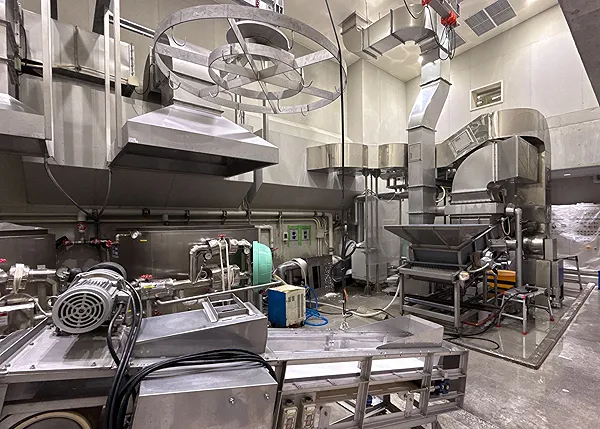
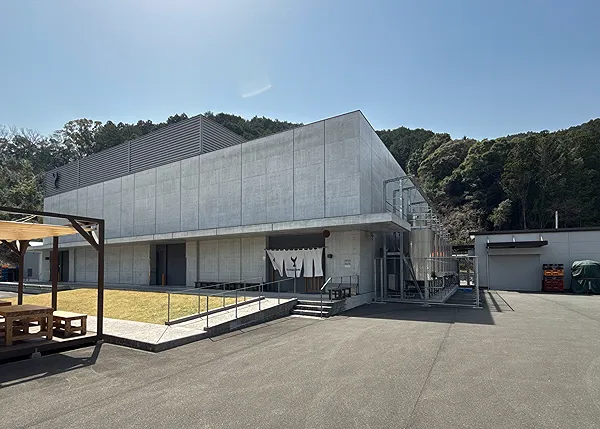
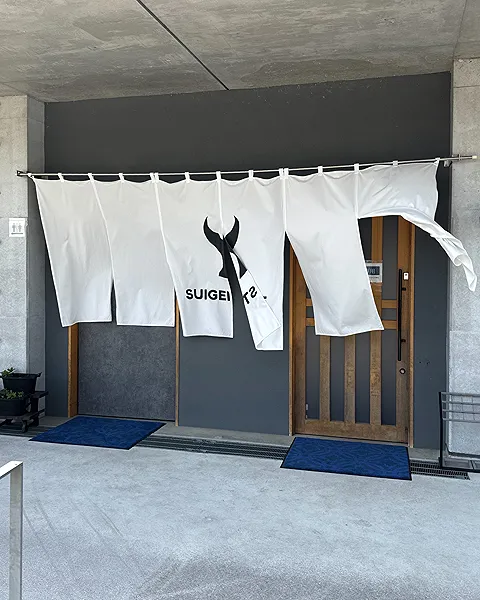
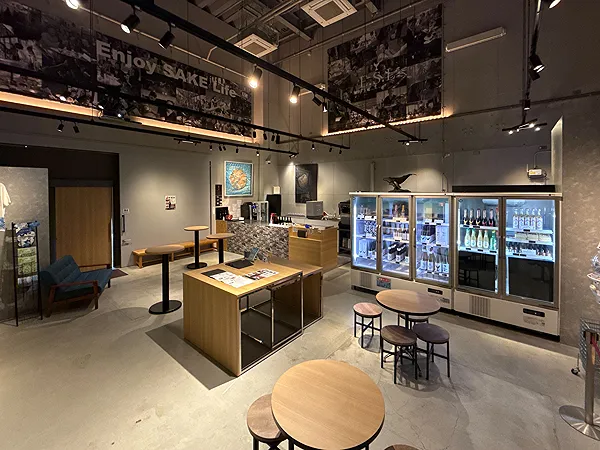
Photos from out visit to Suigei Brewery in 2025

Photos from our visit to Suigei Brewery