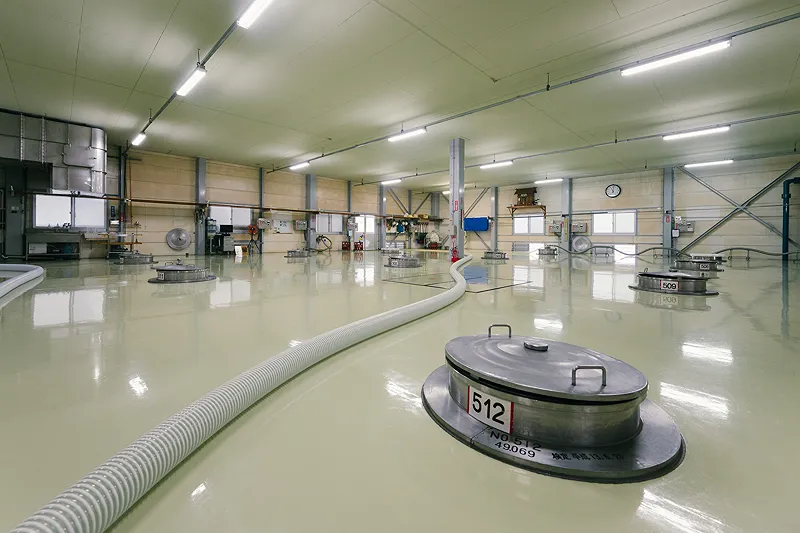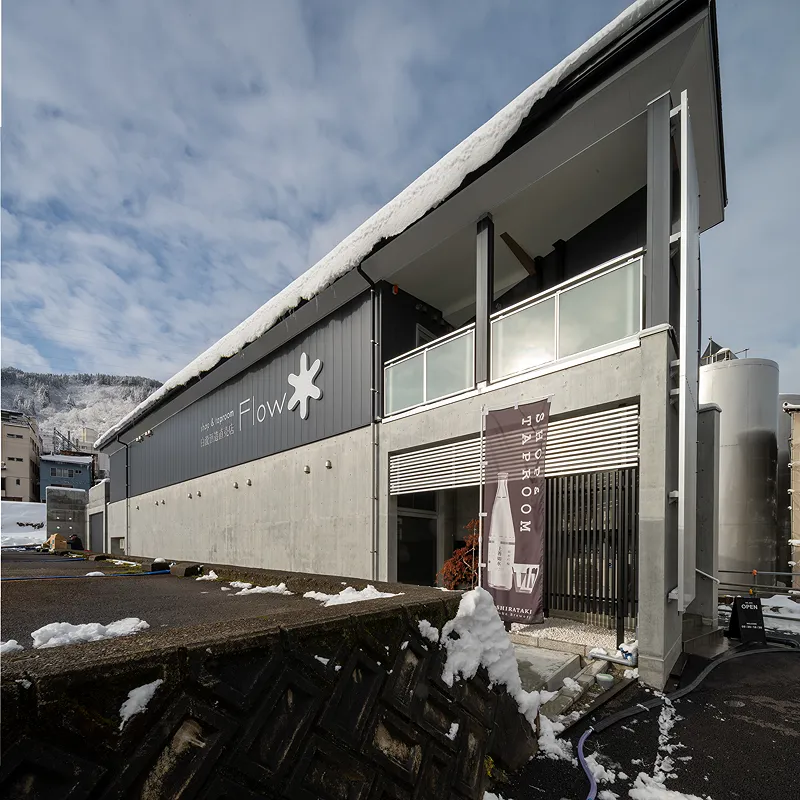
ShiratakiSake Brewery in Niigata Prefecture

Shirataki Flow Logo

Crystal clarity drawn from a land of snow.

In Echigo Yuzawa, deep snow, pure water, and a cold climate come together to create an ideal setting for sake brewing. This natural environment lies at the heart of Shirataki’s clear and refined sake.

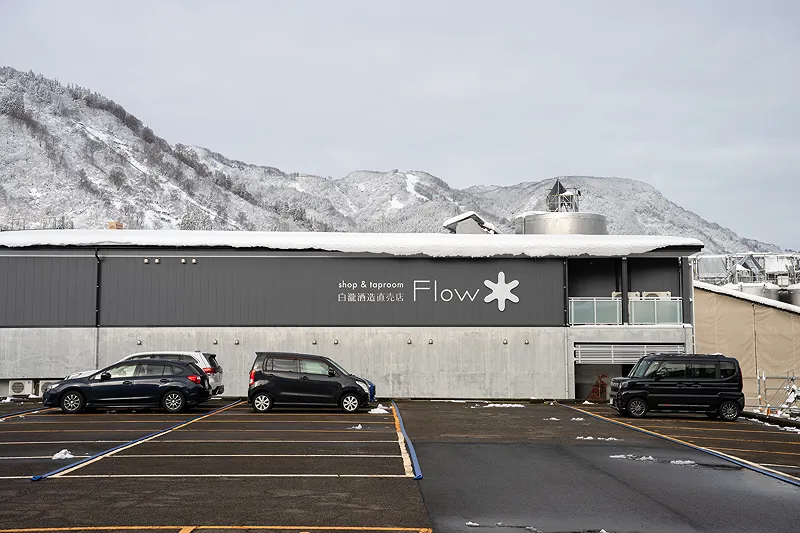
Shirataki main store Flow

History of Shirataki Brewery


Shirataki Sake Brewery was founded in 1855 in Echigo Yuzawa, Niigata Prefecture. This area is well known as a heavy snowfall region, and the brewery has continued its sake making in this snow country environment for generations. The severe cold of winter and the abundant pure water from melted snow create an ideal climate for brewing sake in Echigo. Making the most of these natural conditions, Shirataki has continued to refine the quality of its sake over many years.

Sake from Niigata is widely known for the style called tanrei karakuchi, which means clean, light, and dry. Shirataki is also one of the breweries that has long pursued this style. While valuing the natural umami of rice, the brewery has placed importance on a sharp and elegant finish. This well balanced approach to sake making has been welcomed by many people as one of the appealing expressions of Japanese sake. In this way, Niigata’s sake culture created one important current in the sake market and helped lead tanrei karakuchi into a nationwide movement.

Even today, Shirataki continues to value this tradition while also responding to changes of the times. Based on the skills and experience cultivated through living and brewing in the natural environment of the snow country, the brewery continues to make sake that carries the sake culture of Echigo into the future.
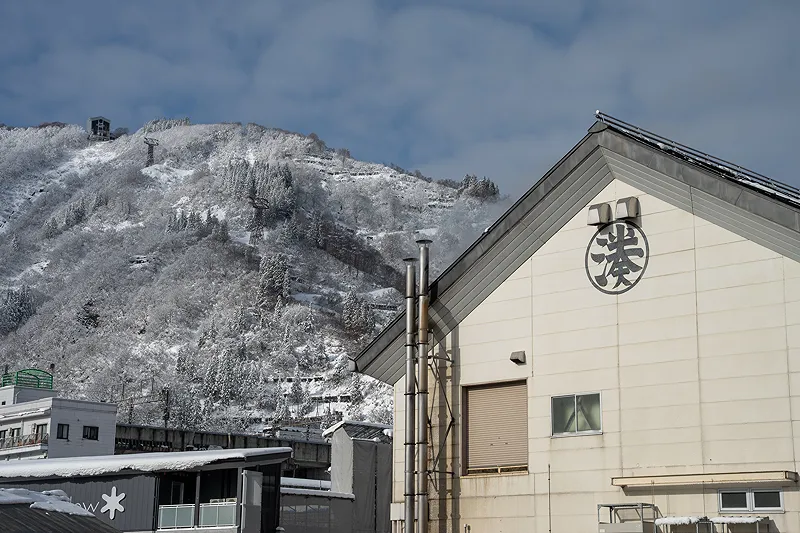
Shirataki brewery and mountain at background

Philosophy of Shirataki Brewery


What shapes the quality of Shirataki’s sake is the water of the snow country. The melted snow from the Tanigawa mountain range is exceptionally soft, producing sake that is clear, pure, and free from unwanted heaviness.

Sake from Niigata is often described as tanrei karakuchi, or clean and dry, but this does not simply mean light in taste. It reflects a way of thinking in sake making, aiming to preserve clarity while arranging the umami in a balanced and controlled way. Shirataki places great importance on this balance and pursues a structure that remains comfortable to drink without becoming tiring.

  • Not showiness, but precision.
  • Not strong insistence, but completeness.

This attitude has led to steady appreciation both in Japan and overseas.

Prefecture

Niigata Prefecture Echigo Yuzawa | Chube Region in Japan

Echigo Yuzawa, located in the southern part of Niigata Prefecture, is known as one of the heaviest snowfall areas in Japan. In winter, the mountains are covered with deep snow. When spring comes, this snow melts slowly and becomes pure water, shaping the local water system. This natural cycle creates an ideal source of water for sake brewing

The snowmelt water nourished by the mountains, including Mt Tanigawa, passes through layers of earth over a long period of time and becomes soft water. This water helps give sake a delicate balance and a clear, transparent mouthfeel. The severe cold of the snow country also creates a suitable environment for brewing, allowing fermentation to proceed slowly at low temperatures.

Niigata is also widely known as one of Japan’s leading rice producing regions. The high quality rice grown across the wide Echigo Plain is one of the essential elements of sake brewing. Abundant rice, pure water, and the climate of the snow country. These natural conditions come together to give Niigata sake its refined and pristine character. The environment of Echigo Yuzawa can be seen as the very terroir behind the clear and elegant sake of Shirataki.

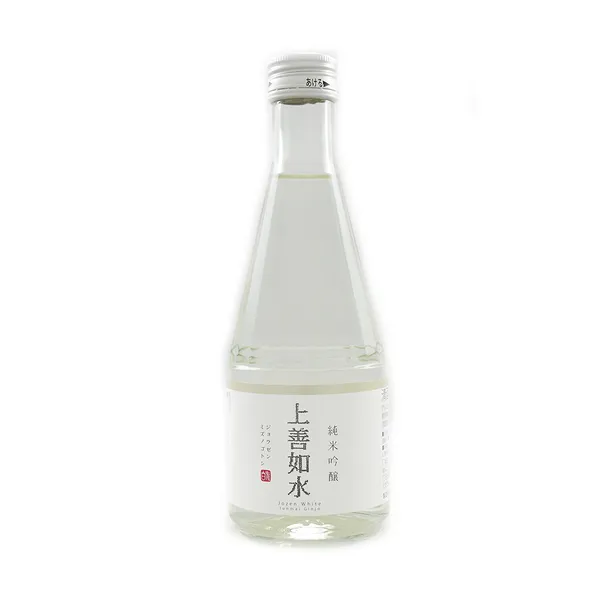
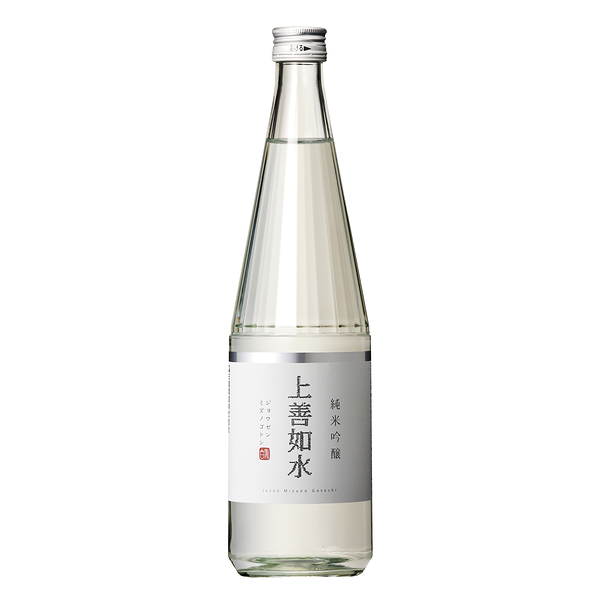
Shirataki Sake Products

Photos from out visit to Shirataki Brewery in 2025

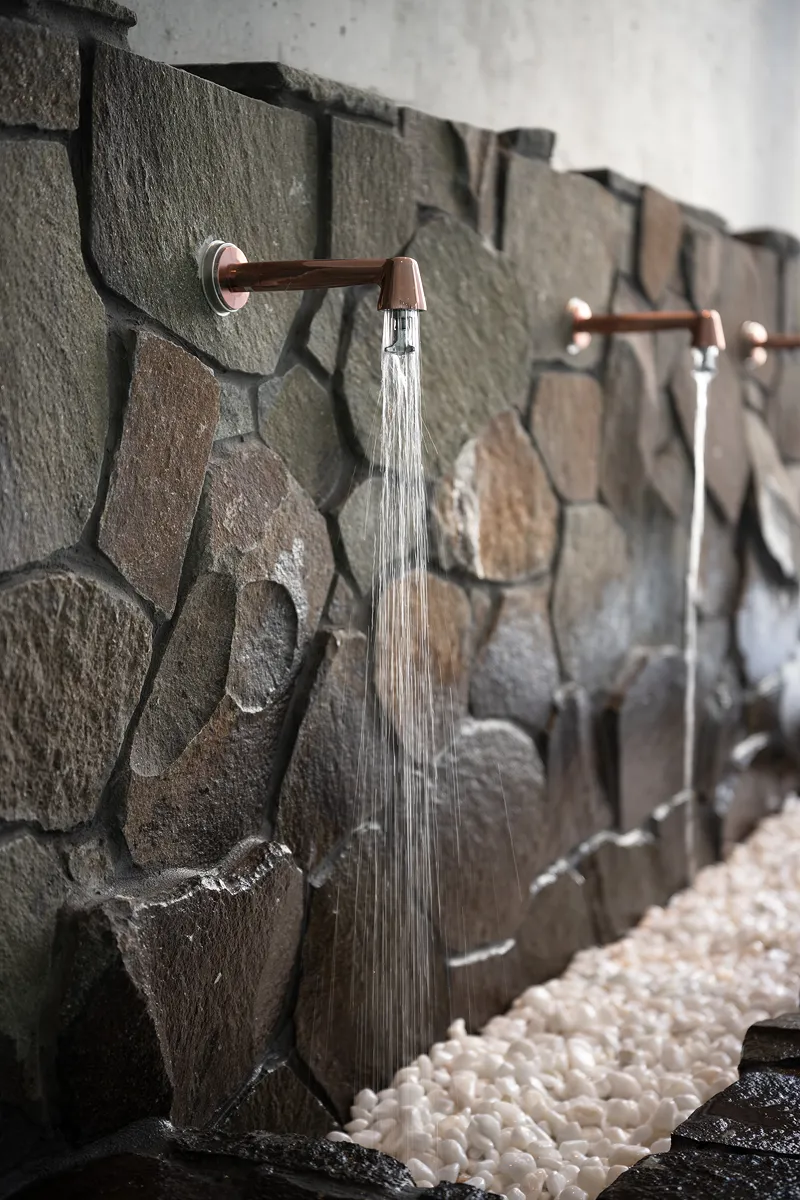
  • Local Natural Water
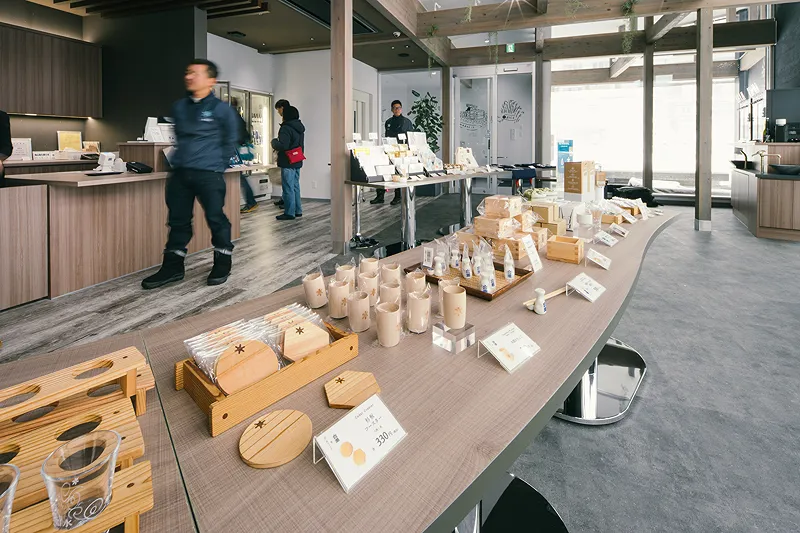
Flow Shop and Taproom 10 munits walk from Yuzawa Station
  • Sake Production Worker
    Moden Sake Brewery
  • Bottles in Production line
Productions of Shirataki Sake

From the Interview

Reflections from Shirataki Sake Brewery

Light, Refreshing Sake Shaped by Snow Country Water and a Tradition of Change

What stands out in the interview with Shirataki Sake Brewery is the way the brewery embraces the character of its environment rather than trying to work against it. Soft underground water created by heavy snowfall naturally leads to a light and clean style of sake. That character became central to Jozen Mizunogotoshi, launched in 1990 as a new kind of sake for younger drinkers. Since then, the brand has continued to evolve through changes in brewing, design and technology, guided by the belief that tradition itself should keep moving forward.

“The main characteristic of this water is that it is very soft. It is extremely light, and that is also reflected in our sake, which tends to finish with a very clean and light character.”

A Light Style Shaped by Snowmelt Water

Shirataki Sake Brewery uses underground water formed in one of Japan's heaviest snowfall regions. As the snow melts, it filters into the ground and builds up as clean groundwater beneath the area.

The water is exceptionally soft and light. Even when the brewery has experimented with making richer or more strongly flavoured sake, the finished result tends to remain clean and light. Rather than resisting that character, Shirataki has chosen to make it one of the defining qualities of its brewing.

“The idea was to ask whether we could make a sake with aroma like white wine, and with a light, fruity drinking style, so they experimented in many different ways to create it.”

Creating Jozen Mizunogotoshi for a New Generation

Jozen Mizunogotoshi was launched in 1990, during the ski boom in Echigo Yuzawa. Large numbers of young visitors came from Tokyo each winter, but many preferred beer or wine and were reluctant to drink sake.

The brewery therefore set out to create something different: a sake with the fragrance of white wine and a light, fruity profile. Newly developed ginjo yeasts, together with Shirataki's soft water, made it possible to create a style that felt markedly different from conventional sake at the time.

“At first, there was nothing quite like that style in the industry, so people said things such as, ‘What is this light sake?’ or even, ‘This is not sake.’ There were apparently many critical reactions within the industry.”

Listening to Drinkers Rather Than Convention

When Jozen Mizunogotoshi first appeared, its light and fruity style stood apart from the norms of the sake industry. Some within the trade criticised it for being too light or not tasting like the sake they expected.

The intended audience responded differently. Younger visitors found it approachable and easy to drink, then carried that experience back to Tokyo and spread the word. The early growth of the brand came from the reaction of drinkers themselves rather than from acceptance by established industry conventions.

“We were able to change it to Junmai Ginjo without greatly altering the fruity aroma and light drinking style. It became slightly fuller through the move to junmai, but in terms of pairing with food, people began telling us that it was easier to match than the earlier Ginjo version.”

Evolving into Junmai Ginjo Without Losing Its Character

Jozen Mizunogotoshi has not remained unchanged since its launch. Around twenty years ago, one of the brewery's major projects was to move the core brand from Ginjo sake to Junmai Ginjo.

The challenge was to retain its fruity aroma and light character while making the transition. The move added a little more weight to the sake, but also improved its versatility with food. It became an example of how the brewery could preserve the identity of the brand while continuing to improve what was inside the bottle.

“The idea was that tradition is not about continuing unchanged from the past. Tradition is precisely about continuing to change and update what you do.”

Treating Change Itself as Tradition

Shirataki Sake Brewery does not define tradition as repeating the same methods indefinitely. Its philosophy is that a tradition remains alive by changing with the times and continuing to update itself.

That thinking became particularly visible after the launch of Jozen Mizunogotoshi. The brewery adopted mechanisation early, modernised its facilities and continued to evolve both its products and design. Rather than choosing between tradition and modernity, Shirataki places the new on top of the old and allows both to develop together.