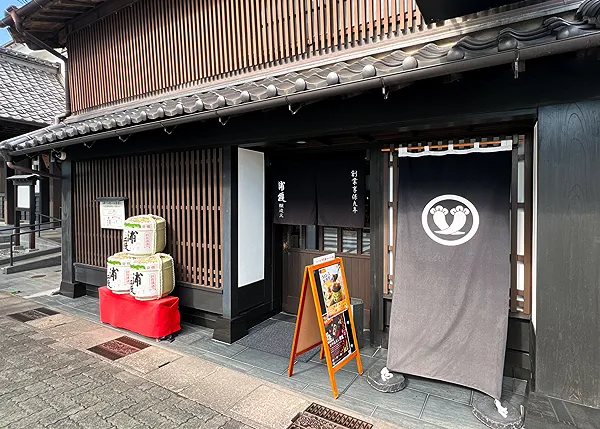
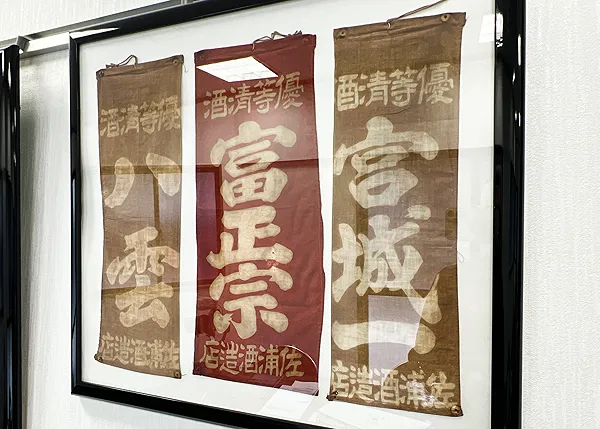
Saura Sake Brewery in Miyagi Prefecture

An elegant resonance shaped by life beside the sea.

From the port town of Shiogama, Saura creates refined sake that speaks gently with seafood, memory, and coastal life.

History of Saura Brewery


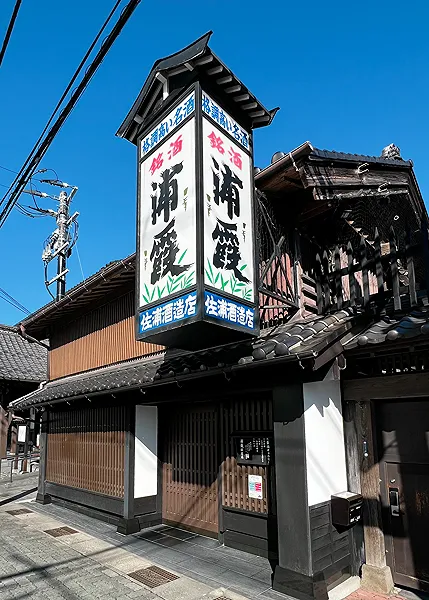
Saura Brewery was founded in 1724 in Shiogama, Miyagi Prefecture. Facing Matsushima Bay, the town has long been a centre of fishing, trade, and maritime culture, with sake playing an important role in daily meals and seasonal gatherings.

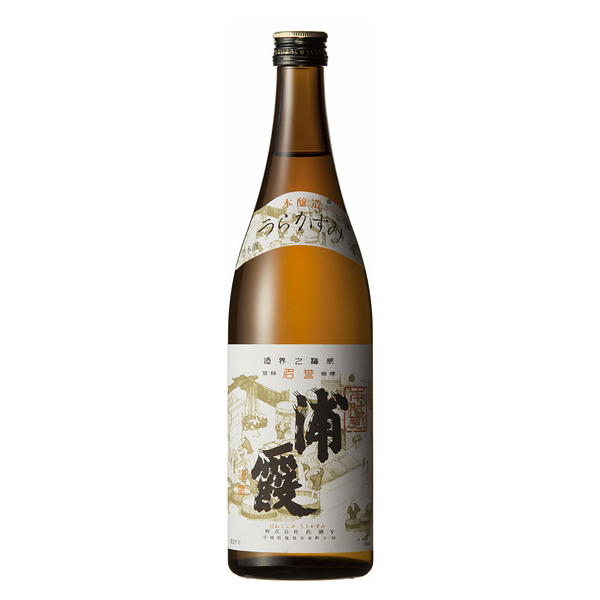
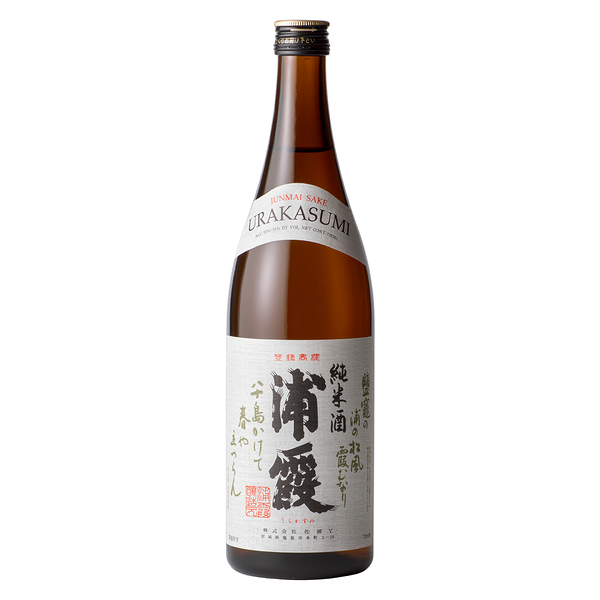
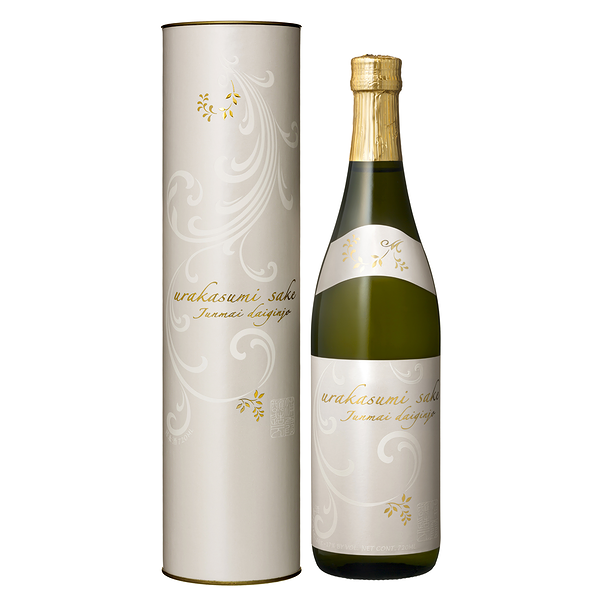
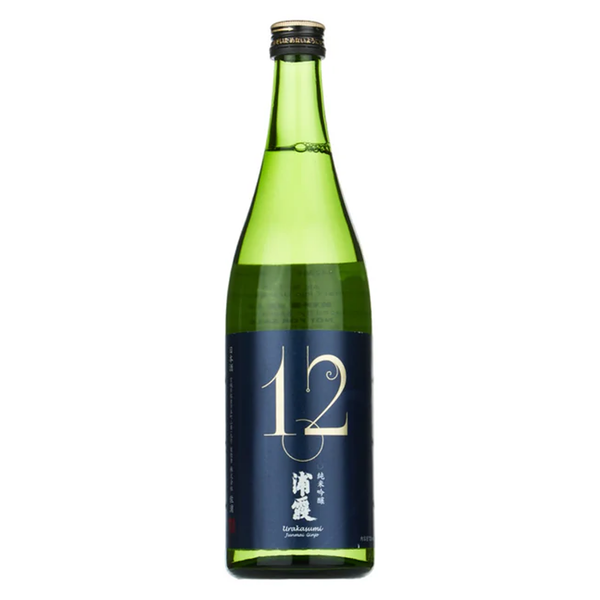
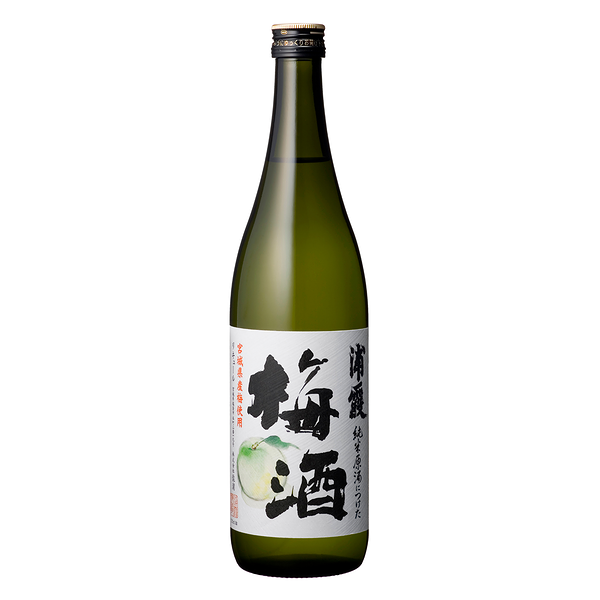
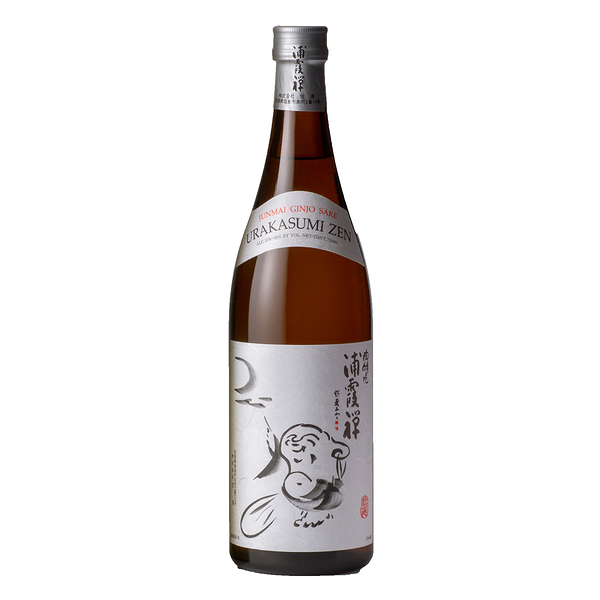
The brewery’s flagship label, Urakasumi, has become known for a refined and understated style. It works particularly well with seafood, which has helped define both the local table and the brewery’s reputation.

The Great East Japan Earthquake of 2011 caused serious damage to the region and to the brewery. Saura’s recovery became part of the wider resilience of Shiogama, and its continued brewing carries both cultural memory and quiet renewal.
Philosophy of Saura Brewery


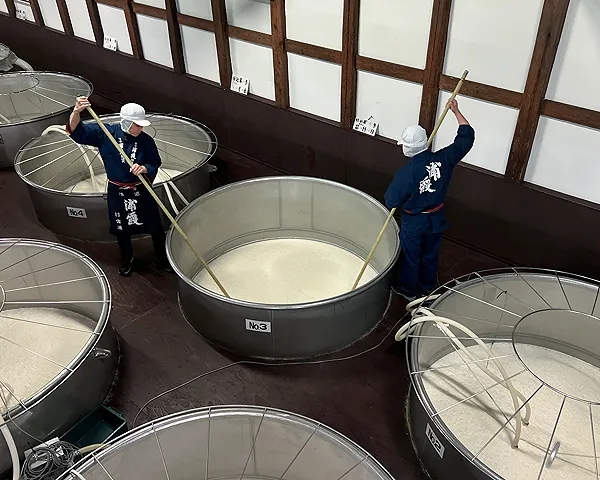
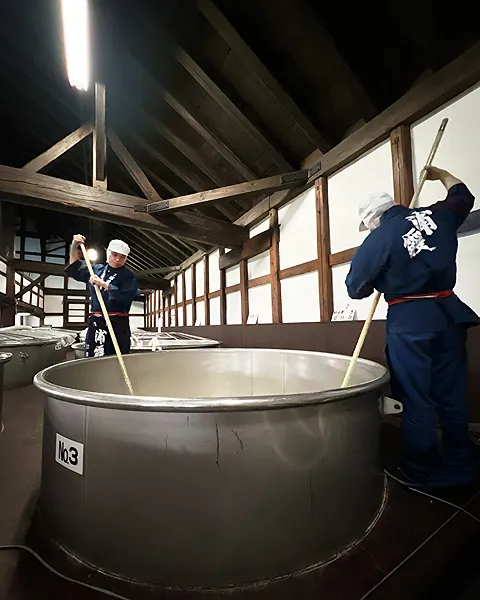
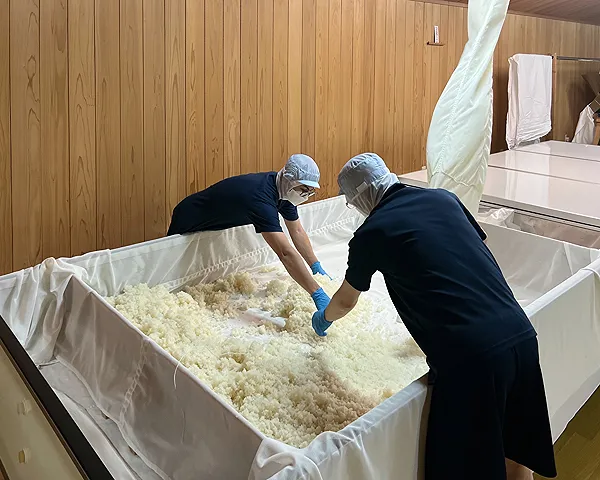
Saura views sake as a bridge between sea, land, and human life. Its brewing philosophy values refinement, texture, and a finish that supports delicate food without fading into the background.

The water used in brewing comes from the area around Matsushima Bay, with a mineral balance that helps shape gentle aroma and subtle umami. The brewery does not rely on showiness. It looks for depth that appears through repeated drinking.

This makes the sake elegant in the truest sense. Nothing feels forced. Everything has its place.

Prefecture

Miyagi Prefecture Shiogama | Tohoku Region in Japan

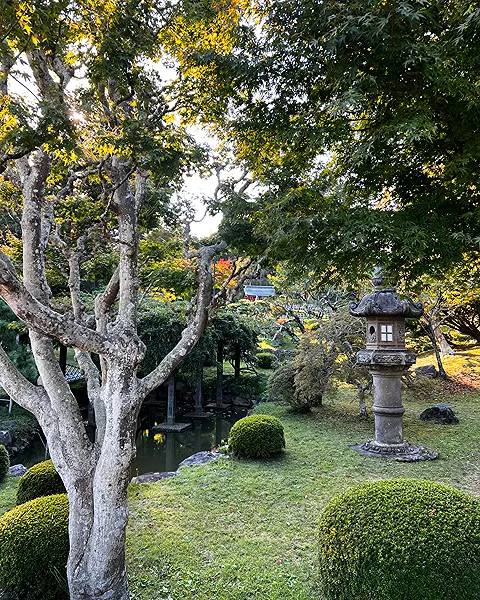
Shiogama faces Matsushima Bay, one of Japan’s most celebrated coastal landscapes. The sheltered inlets and nearby open sea support a rich marine ecosystem, giving the region a cuisine centred on fresh seafood.

Behind the town, wooded hills collect rainfall that filters into underground water sources. This meeting of sea and mountain gives the local terroir both freshness and composure.

Saura’s sake reflects this balance. It has a smooth texture, an elegant finish, and a quiet resonance that mirrors the calm but expressive character of the coast.

Saura Sake Products

From the Interview

Reflections from Saura Brewery

Nearly Three Centuries of Sake Shaped by Shiogama and Its Seafood Culture

What stands out in the interview with Saura Brewery is the belief that Urakasumi should be understood not only through the sake itself, but also through the history and food culture of Shiogama. Since its founding in 1724, the brewery has grown alongside a port town rich in seafood, while soft water and a balanced style have helped shape sake that works naturally at the table.

“Our company was founded here in Shiogama in 1724, in the middle of the Edo period.”

Brewing in Shiogama Since 1724

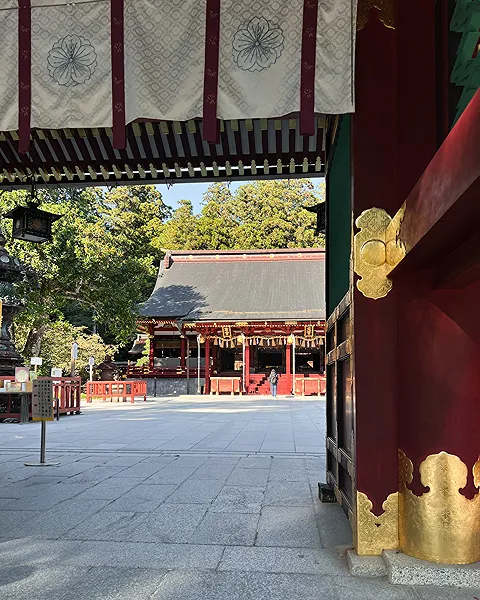
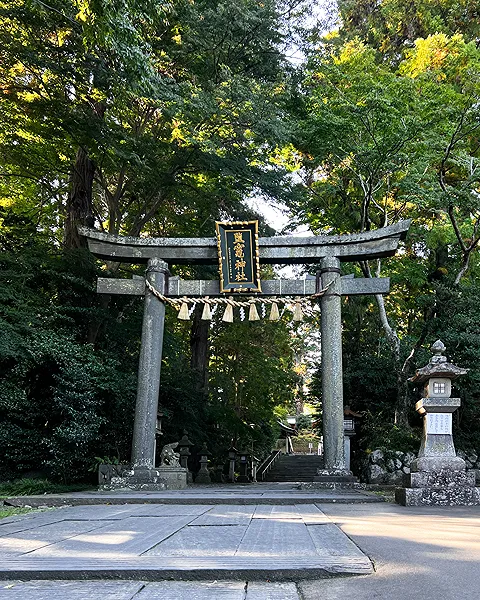
Saura Brewery was founded in Shiogama in 1724. The town developed around Shiogama Shrine and lies close to Matsushima, making it a place that has welcomed visitors for centuries.

Urakasumi has therefore developed within a living cultural setting rather than in isolation. Its long history reflects an ongoing relationship with the landscape, the people and the food culture of Shiogama.

“Its flavour has been polished and nurtured by that food culture, so I think seafood remains the central pairing for Urakasumi.”

A Sake Shaped by the Seafood of a Port Town

Shiogama is one of Japan's best known port towns and is closely associated with seafood, including fresh tuna and oysters from Matsushima Bay. Miyagi more broadly is also known for fish such as Pacific saury and bonito.

Urakasumi developed within this food culture. Its affinity with seafood is therefore not simply a modern pairing suggestion, but something shaped over generations by the food eaten around the brewery.

“We are essentially brewing with soft water, and I think its clean, delicious and gentle character comes through in the sake.”

Soft Water and a Gentle, Clean Character

Saura Brewery currently brews with water from the Sawaotoyama area. The water is essentially soft, and the brewery sees that quality reflected directly in the sake.

Rather than producing a heavy or forceful impression, the water supports a clean and gentle style. This contributes to the balance that allows Urakasumi to sit naturally alongside food.

“One of Urakasumi's characteristics is its balanced and harmonious flavour, together with umami, so I think it works with a relatively wide range of dishes.”

Balance, Harmony and Umami at the Table

Urakasumi is described through balance, harmony and umami rather than through one dominant characteristic. The different elements of the sake are intended to work together as a whole.

This makes it particularly natural with seafood, but also gives it broader versatility at the table. In the context of British food, dishes built around fish and other seafood are seen as especially comfortable pairings.

“I would like people to enjoy Urakasumi not simply as sake on its own, but while also understanding the background behind it.”

Sharing the History and Culture Behind the Sake

In Europe, wine is often enjoyed together with an understanding of its history, terroir and cultural background. Saura believes sake can be approached in the same way.

Knowing the history of Shiogama, its port culture, its food and the brewery's relationship with the local environment adds another layer to the experience. In this way, sake can be understood not simply as an exotic drink for Japanese food, but as a drink with its own history and culture worthy of the same respect.