Ninki Sake Brewery in Fukushima Prefecture

Ninki Brewery Logo

The warmth of craftsmanship expressed through fermentation.

In Nihonmatsu, Ninki Brewery keeps traditional handwork alive, creating sake with depth, individuality, and quiet artistic force.

History of Ninki Brewery


Ninki Brewery was founded in 1897 in Nihonmatsu, Fukushima Prefecture. Surrounded by the Abukuma Highlands and the Ou mountain range, the region has long been shaped by rice farming, fruit cultivation, and inland food culture.

The brewery is known for preserving demanding traditional methods. With limited exceptions, it uses wooden vats for fermentation, steams rice in traditional iron kettles, and prepares koji through careful handwork. These choices take time. That is their value.

For Ninki, sake brewing is close to a performing art, where tools, hands, timing, and judgement all matter. After the Great East Japan Earthquake of 2011, the brewery’s continued work also became part of the wider story of recovery in Fukushima.

Today, it stands for continuity with intent. Tradition here is active, not decorative.
Philosophy of Kikuno Tsukasa Brewery


Ninki’s philosophy rests on the belief that fermentation needs both guidance and freedom. Wooden vats, hand-crafted koji, and small-batch brewing allow the sake to develop nuance that cannot be rushed into existence.

The brewery does not preserve these methods out of nostalgia. It uses them because they create texture, complexity, and individuality. Efficiency has its place, but it is not the final measure of quality.

Each batch is handled with close attention, allowing natural processes to unfold within a carefully managed framework. The result is sake shaped by skill, patience, and trust.

Prefecture

Fukushima Prefecture Nihonmatsu | Tohoku Region in Japan

Nihonmatsu lies in central Fukushima, within an inland basin surrounded by mountains. The area has marked differences between day and night temperatures, a condition that supports agriculture and helps produce ingredients with clear character.

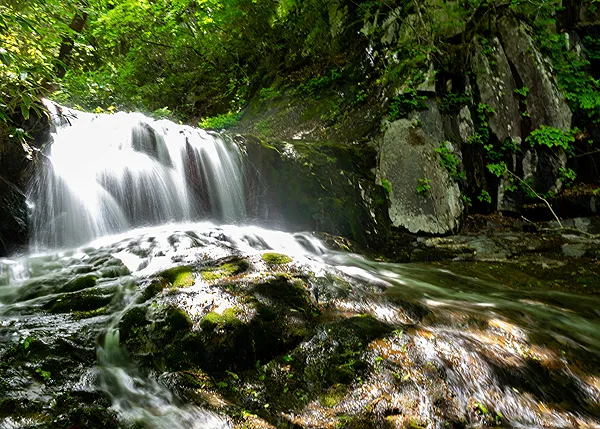
Rain and snow falling in the mountains gradually filter through the land before becoming clean underground water. This water supports gentle fermentation and helps create a sake profile with both clarity and depth.

Fukushima’s agricultural landscape, including rice and fruit cultivation, gives the region a rich food culture. In this setting, Ninki Brewery’s sake feels expressive but composed, grounded in natural conditions and human dedication.

Yao-shin’s Sake Products

From the Interview

Reflections from Ninki Shuzo

Wooden Vats, Bottle Ageing and a Commitment to Making Sake That Did Not Exist Before

What stands out most in the interview with Ninki Shuzo is its determination not simply to reproduce established styles of sake, but to create something suited to the way people drink today. Wooden vat brewing, bottle storage, sparkling sake, lower alcohol styles and sake designed for wine glasses all reflect a broader ambition to expand the possibilities of sake, both in the liquid itself and in the way it is enjoyed.

“The biggest characteristic of our brewery is that we do not have storage tanks.”

Storing Sake in Bottles Rather Than Tanks

One of the most unusual features of Ninki Shuzo is its decision not to use the storage tanks commonly seen in sake breweries. After comparing the same sake stored for a year in a tank and in bottles, the brewery became convinced that bottle storage offered better protection from oxidation.

With many of its once pasteurised sakes, the liquid expands during heating after bottling and leaves very little air in the bottle. The sake can then rest in this sealed environment while retaining freshness. Bottle storage requires more space and adds cost, but the brewery believes the benefit to the condition of the sake makes that investment worthwhile.

“Brewing everything in wooden vats, storing everything in bottles and brewing throughout the year were things we simply could not do with the equipment in our previous brewery.”

Rebuilding the Brewery Around a New Way of Working

The move and reconstruction that followed the Great East Japan Earthquake became a rare opportunity to reconsider the brewery from the ground up. Rather than recreating the old facilities, Ninki Shuzo chose to build around the methods it genuinely wanted to pursue.

That meant brewing in wooden vats, storing sake in bottles and making sake throughout the year. These choices could not have been implemented fully in the previous brewery. Rebuilding therefore became more than recovery. It allowed Ninki Shuzo to reshape its production around a clearer vision of what the brewery wanted to become.

“Our policy now is to make only things that did not exist in the past.”

Making Sake That Did Not Exist Before

When Ninki Shuzo began in its current form in 2007, the brewery was surrounded by producers with centuries of history. Rather than trying to compete by recreating the same traditional styles, it chose to specialise in forms of sake that were new to the market.

Sparkling sake, sake for wine glasses, organic sake and lower alcohol styles all developed from this principle. The aim is not to reject tradition, but to take a different role within the sake world by creating new entry points and new drinking experiences for people who may not already be familiar with the category.

“Overseas, there are many people who have never drunk sake before. I think this is a very good sake for someone to try as their first experience.”

Sparkling Sake as a First Introduction

Ninki Shuzo sees sparkling sake as an important way to introduce the category to drinkers overseas. Its lower alcohol level, gentle effervescence and lighter style can make it approachable for someone who has never tried sake before.

In markets where sparkling wine is already familiar at celebrations and as an aperitif, the drinking occasion itself needs little explanation. This allows sake to be enjoyed first, without requiring detailed knowledge of the category, and can create a natural starting point for exploring other styles later.

“I think sake also has to become more international. We need to think about what that means for flavour and make sake that people around the world can accept.”

Thinking About Sake as an International Drink

Through selling sake overseas, Ninki Shuzo has become increasingly aware that assumptions considered normal in Japan are not necessarily shared elsewhere. Drinking habits, systems of evaluation, regulation and attitudes towards freshness can all differ significantly from one market to another.

The brewery believes sake therefore needs to consider what internationalisation means at the level of taste as well as distribution. The goal is not simply to export Japanese conventions unchanged, but to think about flavours and styles that people around the world can genuinely enjoy. For Ninki Shuzo, this is a natural extension of its long standing commitment to making sake that did not exist before.