Nanbu BijinSake Brewery in Iwate Prefecture

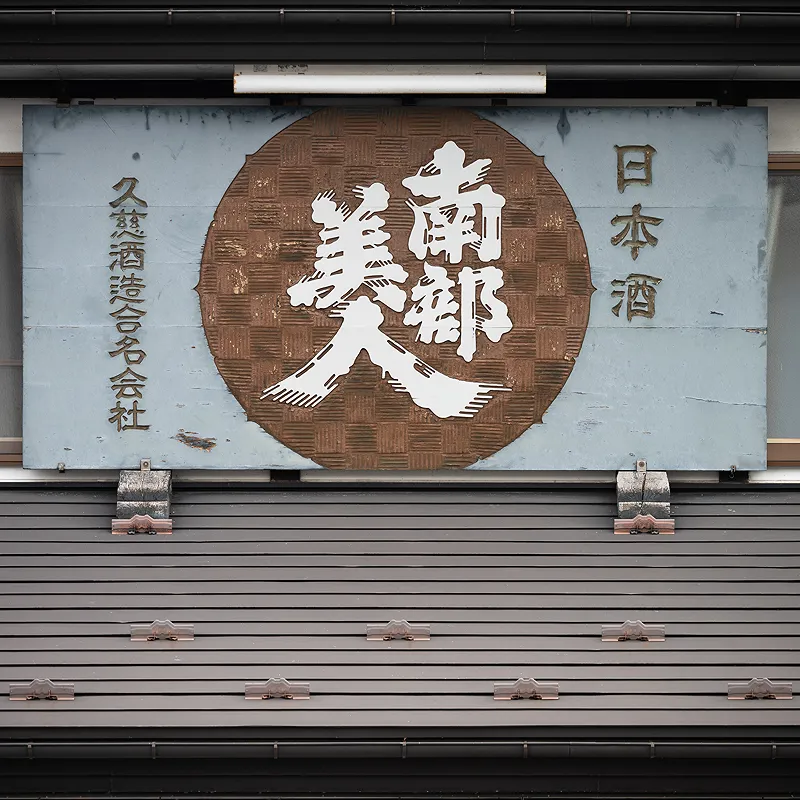
Sake Brewery Nanbu Bijin logo

World-class precision born from northern stillness.

Nanbu Bijin is a long-established brewery in Iwate, in the north of Japan, known for its clean and well-balanced sake. Its sake reflects the quiet beauty of the region and a deep respect for tradition.

History of Nanbu Bigin Brewery


Nanbu Bijin was founded in 1902 in Ninohe, a northern town shaped by agricultural life and the disciplined brewing traditions of the Nanbu Toji guild. Over the course of the twentieth century, the brewery refined a style defined by clarity and structural balance, gaining recognition both within Japan and internationally.

Its development mirrors the broader trajectory of modern sake, in which regional craftsmanship increasingly found a global audience. By combining inherited techniques with a commitment to quality improvement, Nanbu Bijin has positioned itself as a bridge between tradition and contemporary standards. Its sake expresses a pursuit of purity that resonates with the austere beauty of its northern environment.

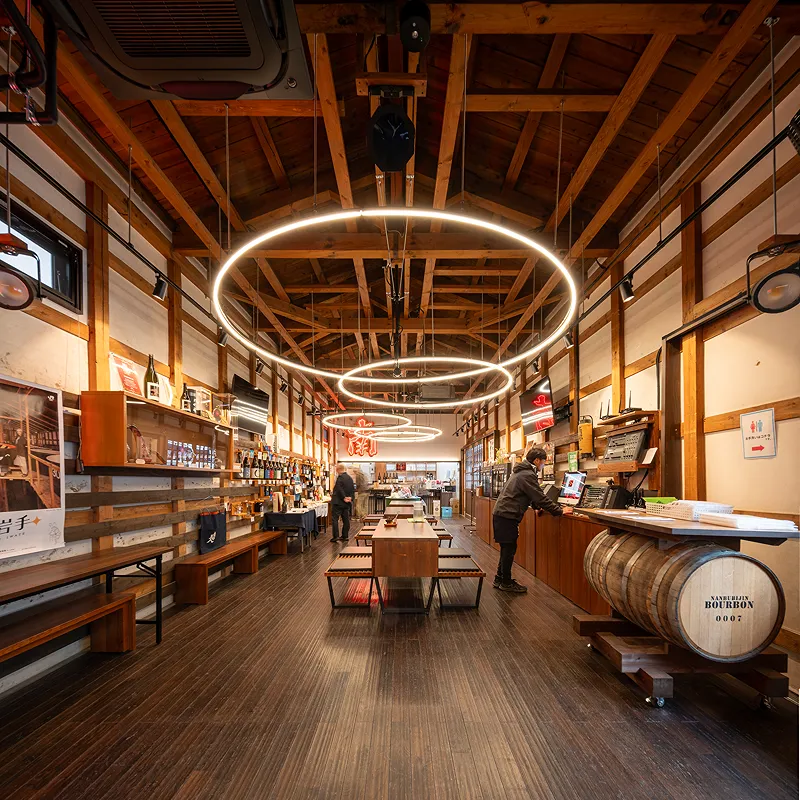
Nanbu Bigin Sake Store

Philosophy of Nanbu Bigin Brewery


Nanbu Bijin’s philosophy is grounded in the pursuit of precision. Drawing on the disciplined traditions of the Nanbu Toji guild, the brewery aims to express clarity through controlled fermentation and meticulous technique. This approach reflects a broader regional ethos shaped by northern climate and agricultural resilience.

At the same time, the brewery recognises the evolving context of sake within global gastronomy. By combining inherited craftsmanship with openness to international dialogue, Nanbu Bijin seeks to articulate a style that is both locally rooted and universally understood.

Prefecture

Iwate Prefecture | Tohoku Japan

Ninohe lies within a landscape of rolling hills and cold winters, conditions that support slow, controlled fermentation. Snowfall in the surrounding mountains becomes soft meltwater that nourishes rice cultivation and provides a vital resource for brewing. The region’s cuisine, shaped by both inland agriculture and seasonal preservation techniques, emphasises depth and restraint. Within this terroir, sake evolves as a quiet yet expressive presence at the table. Nanbu Bijin’s style reflects the clarity of its natural setting: refined, precise, and gradually revealing complexity.

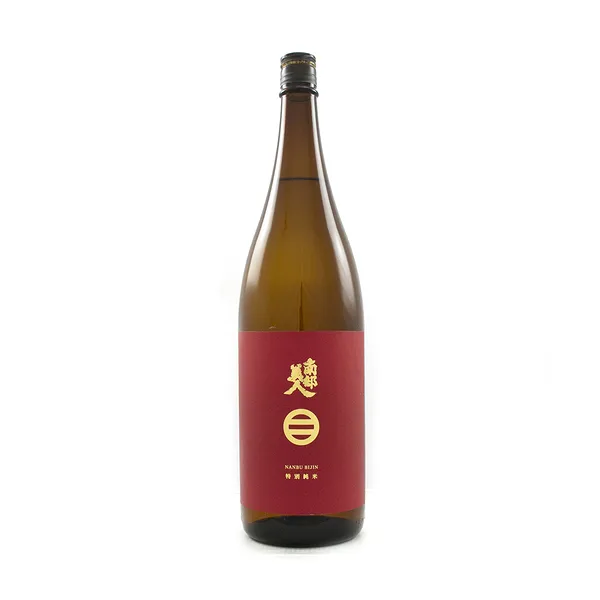
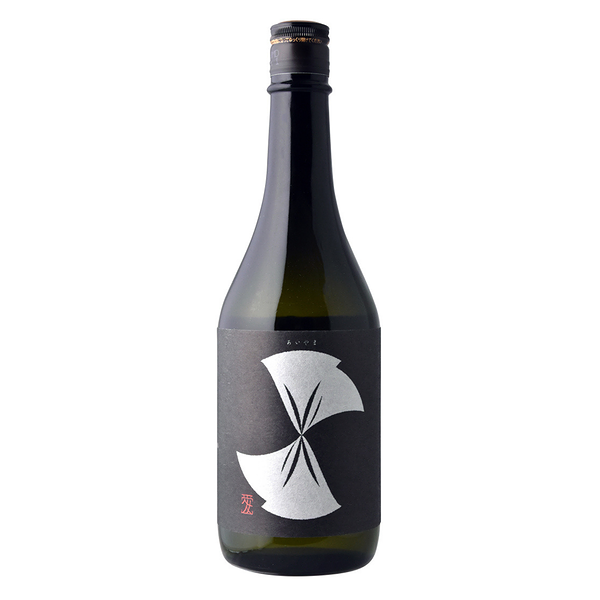
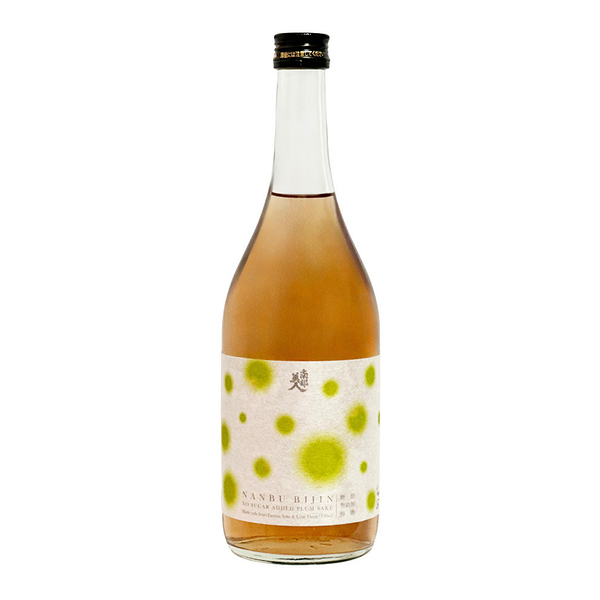
Nanb Bijin Sake Products

From the Interview

Reflections from Nanbu Bijin

In the interview, what stood out most was how closely Nanbu Bijin’s sake is connected to the natural environment of Iwate. The conversation also revealed how the brewery continues to share its culture through hospitality, innovation, and a long-standing commitment to international markets.

A Short Excerpt from the Interview

We would like to thank Mr Kuji for taking the time to speak with us. The video below is a short excerpt from the full interview.

We aim for sake that is clean, balanced, and true to the character of the region.

The water and rice behind Nanbu Bijin’s clarity

For Nanbu Bijin, local water and rice are not simply raw materials. They are at the core of the brewery’s style. The underground spring water used in brewing helps shape the brewery’s signature sense of clarity and balance, while Iwate-grown sake rice contributes structure, elegance, and a refined expression of flavour.

This strong connection to local ingredients shows how Nanbu Bijin’s identity is rooted in place. Rather than pursuing intensity alone, the brewery appears to value purity, precision, and harmony in the final sake.

We want to share not only the sake itself, but also the culture and experience behind it.

Reviving an old kura and opening sake culture to visitors

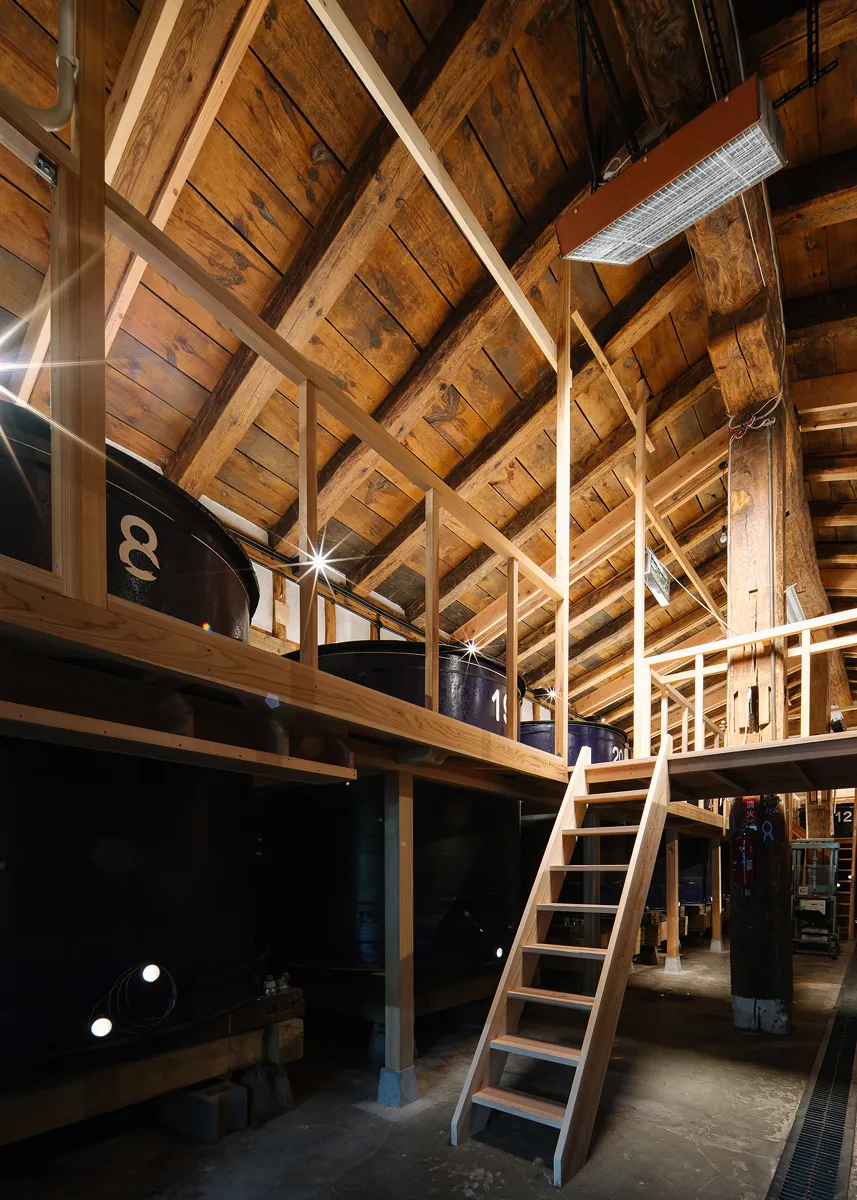
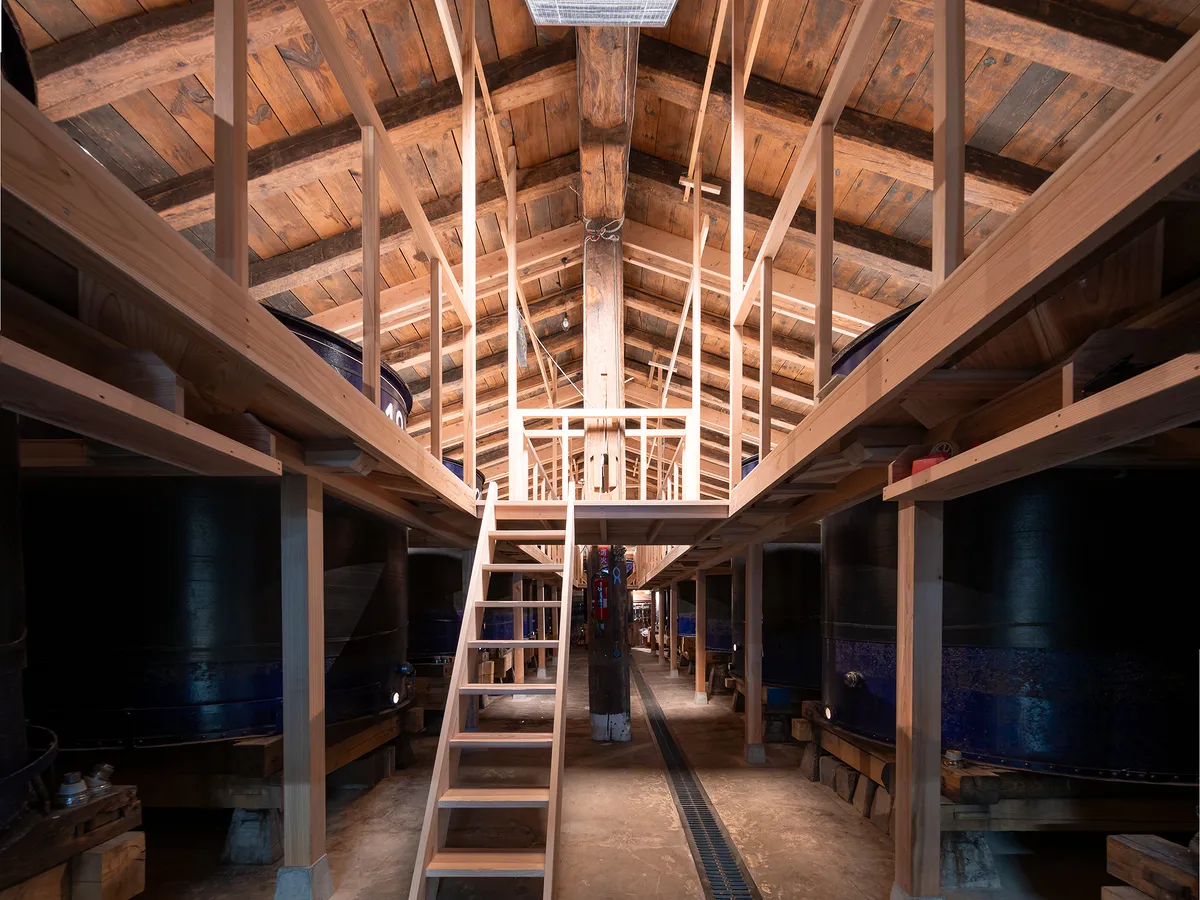
The renovation of an old kura building into a space for brewery tours and events is more than an architectural project. It represents an effort to keep sake culture alive by making it accessible and welcoming. The space now serves not only as part of the brewery’s history, but also as a place where people can encounter the story, atmosphere, and craftsmanship behind the sake.

The fact that visitors from overseas, including Europe, are part of this experience suggests that Nanbu Bijin is not only exporting products, but also sharing the cultural context that gives those products meaning.

In overseas markets, we first had to help people understand what sake is.

Leading the way in certification and global expansion

Nanbu Bijin was also an early mover in obtaining Kosher and vegan certification, opening doors for sake in markets where clarity, transparency, and dietary requirements matter greatly. Being a pioneer in this area likely meant working without many precedents, and building understanding step by step.

The same spirit can be seen in the brewery’s move into global markets from the late 1990s. At that time, sake was far less familiar outside Japan, and the challenge was not only to sell it, but to explain it. In Europe in particular, the brewery had to navigate differences in food culture, distribution, and consumer awareness while finding ways to communicate the value of sake in a meaningful way.

Sake should not be limited to Japanese food. Its appeal becomes clearer when it is paired with local cuisine as well.

Nanbu Bijin Tokubetsu Junmai and British food

Nanbu Bijin Tokubetsu Junmai appears particularly well suited to food pairing beyond Japanese cuisine. Its balance, gentle umami, and clean finish could work naturally with a range of British dishes, especially those built around fish, roasted meats, or savoury depth.

This kind of pairing matters for the European market. It reframes sake not as something limited to Japanese restaurants, but as a versatile drink that can sit confidently within local dining culture.

Nanbu Bijin Photos from our visit
Listen to the article