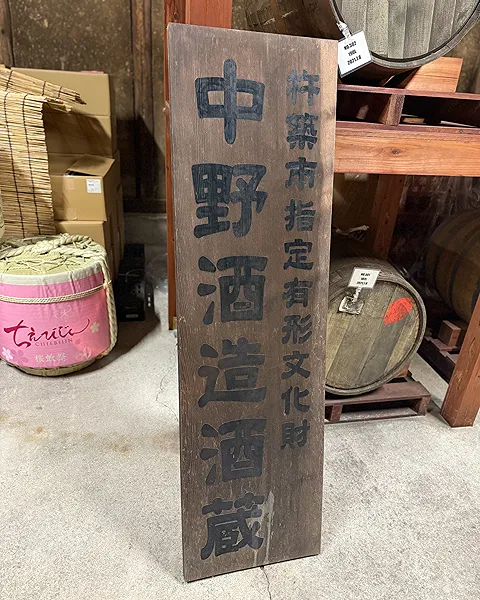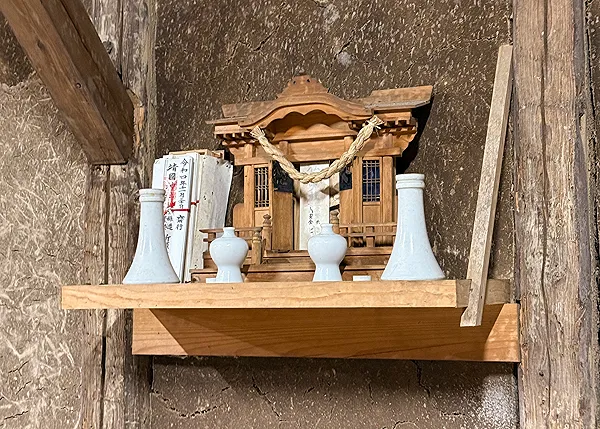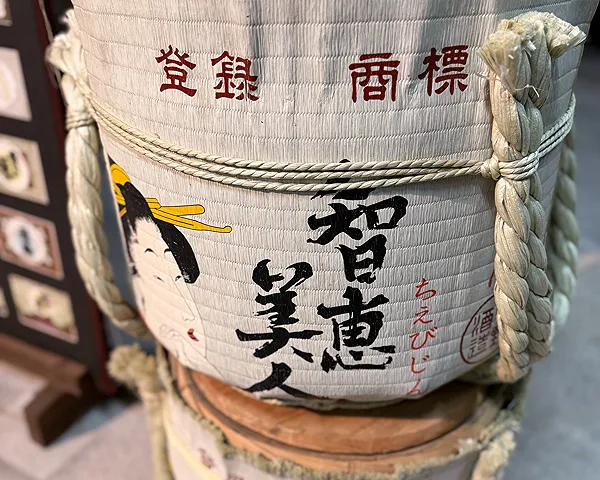
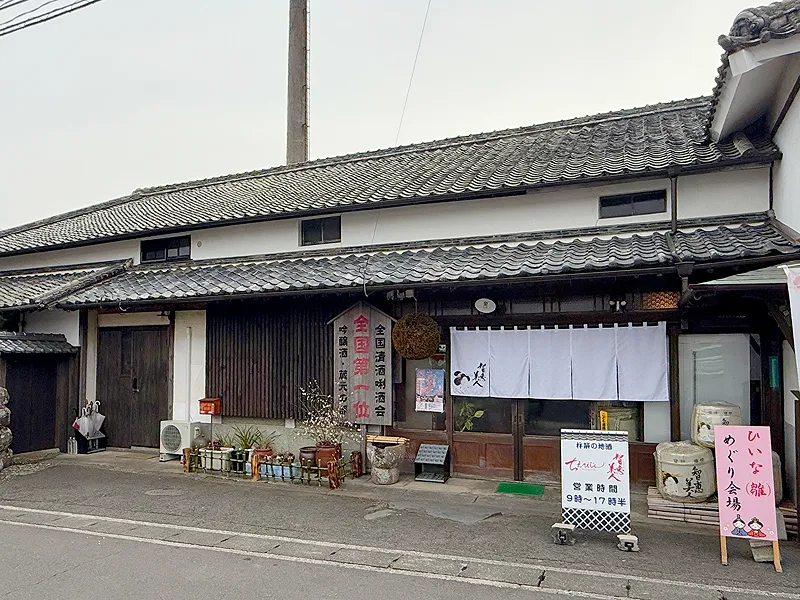
Nakano Sake Brewery in Oita Prefecture

Nakano Logo

A gentle sake reflecting the passage of a castle town.

From the historic town of Kitsuki, Nakano Shuzo brings together local ingredients, careful fermentation, and a quietly progressive sense of craft.

History of Nakano Brewery


Nakano Shuzo was founded in 1874 in Kitsuki, a former castle town in Oita Prefecture. Surrounded by mountains and sea, the town has long enjoyed a food culture shaped by fresh local ingredients, seasonal cooking, and a strong sense of hospitality.

Sake has always had a natural place in that setting. It belongs to meals, celebrations, and the small rituals of daily life. Over generations, the brewery has refined a style that reflects this culture: gentle, balanced, and easy to enjoy with food.

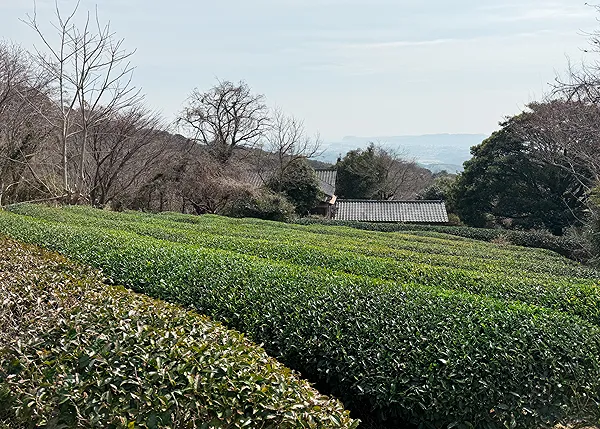
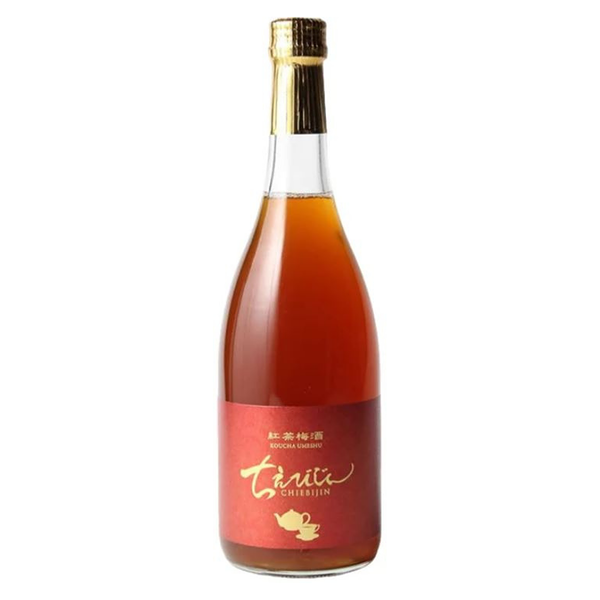
At the same time, Nakano Shuzo has not treated tradition as something fixed. Its work with liqueurs, including Black Tea Umeshu made with locally grown tea leaves, shows a willingness to explore new expressions of fermentation while staying close to the region’s materials.

That balance is the strength of the brewery. It protects what matters, then moves forward with care.
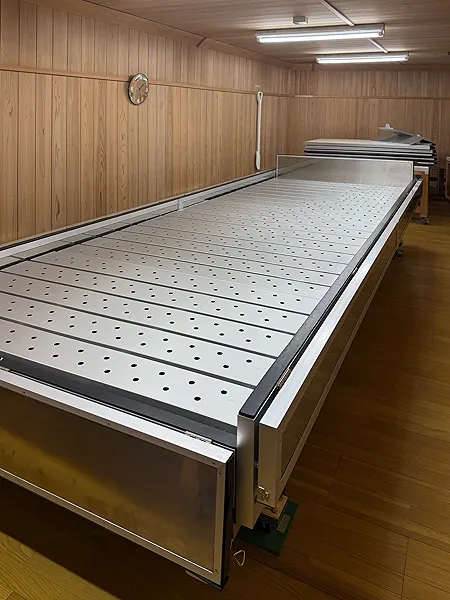
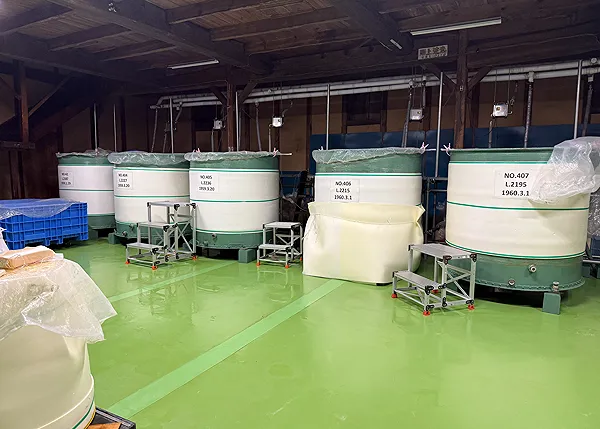
Philosophy of Nakano Brewery


Nakano Shuzo’s brewing philosophy is grounded in harmony. The brewery does not aim for intensity for its own sake. It aims for sake that sits naturally at the table, supports food, and leaves room for conversation.

Clear subsoil water from the surrounding mountains helps shape a clean and rounded profile. Aroma, flavour, and finish are considered together, so that no single element takes over. This gives the sake a quiet completeness rather than a showy first impression.

The same thinking runs through the brewery’s wider fermentation work. Regional ingredients are not used as decoration. They are treated as a way of extending the character of Kitsuki into new forms.

Prefecture

Oita Prefecture Kitsuki | Kyushu Region in Japan

Kitsuki lies in northern Oita, facing the Seto Inland Sea and sheltered by the hills of the Kunisaki region. Its history as a castle town gives it a distinctive cultural texture, where samurai heritage, merchant life, and local food traditions still overlap.

The surrounding landscape brings mountain water, agricultural produce, and seafood into close contact. Rainfall filters through layers of earth before becoming soft groundwater, while the nearby sea provides fish and shellfish that have shaped the local table for centuries.

This is a terroir that favours balance. Warm climate, gentle water, and a calm food culture all support sake that enhances rather than competes. Nakano Shuzo’s sake carries that sense of place with quiet assurance.

Nakano Sake Products

From the Interview

Reflections from Nakano Shuzo

Gentle Sake Shaped by Local Water, Rice and Community

What stands out in the interview with Nakano Shuzo is the way the brewery places local nature and local people at the centre of its sake making. Soft water drawn from around 200 metres underground shapes the character of the sake, while the brewery has steadily increased its use of locally grown rice and now hopes to become more directly involved in farming itself. Its relationship with the surrounding community is equally important, from local growers and restaurants to events that open the brewery to the people who live nearby.

“We want to express this soft water in the different sakes we make, so we aim for sake with a soft and gentle drinking character.”

A Gentle Style Shaped by Water from 200 Metres Underground

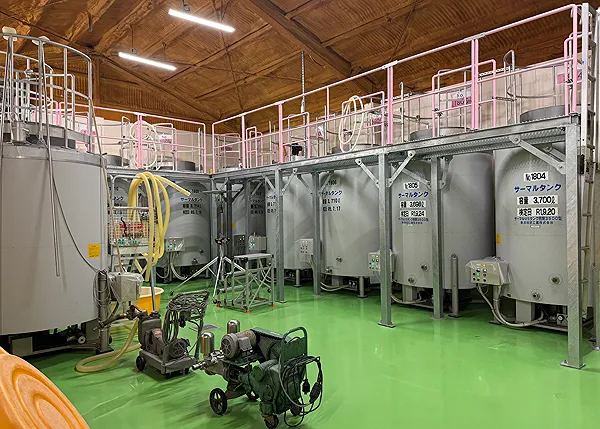
Nakano Shuzo regards the water drawn from around 200 metres beneath the brewery as one of the foundations of its sake. The area lies close to both the sea and the mountains, and the brewery describes the water as carrying elements of both while remaining notably soft in character.

The aim is to allow that softness to appear in the sake itself. Rather than pursuing an aggressive or heavy profile, Nakano Shuzo looks for a gentle mouthfeel and an approachable style, qualities that also fit naturally with the identity of the Chiebijin brand.

“At present, around 60 to 70 per cent of what we produce can be brewed with rice grown locally in Kitsuki, Oita.”

Building Sake Around Local Rice

When the current generation returned to the brewery, Nakano Shuzo recognised that it needed to move beyond a business centred on packaged everyday sake and create products with a clearer identity. Around sixteen years ago, it began working more closely with local farmers and brewing with rice including Yamada Nishiki and Hinohikari, a variety widely eaten in Oita.

Today, around 60 to 70 per cent of production uses rice grown in Kitsuki. The longer term ambition is to increase that proportion further and to become directly involved in farming, strengthening the connection between the sake and the place in which it is made.

“I think it has been very significant to create a place where we can interact with the people of the local community.”

Making the Brewery a Place for the Community

Nakano Shuzo's relationship with its neighbourhood has long been part of everyday life. People living near the brewery have traditionally helped with tasks such as labelling and bottling, while seasonal events such as Bon dancing have taken place in the brewery grounds.

More recently, the brewery has begun holding an annual open brewery event. Local restaurants prepare food designed to pair with Chiebijin, and spaces that are normally closed are opened to visitors. The aim is not simply to sell sake, but to give the brewery a continuing role as a place where local people, food and culture can meet.

“I feel that Chiebijin needs to begin its sake making from the stage of growing the rice.”

Beginning the Next Stage of Brewing with Agriculture

Agriculture is one of Nakano Shuzo's clearest priorities for the future. With an ageing farming population and growing concerns around rice supply, the brewery believes it can no longer rely entirely on others for the production of its most important raw material.

The ambition goes beyond securing supply. By becoming involved in rice growing itself, the brewery wants to move the starting point of Chiebijin further back into the agricultural landscape of Oita. Working alongside local farmers while developing its own capability would deepen the relationship between the sake, the rice and the region.

“We want to work together to discover how Chiebijin pairs with the food people actually eat overseas, and how it should be served so that it can be enjoyed at its best.”

Creating Pairings Together with Local Food Cultures

Nakano Shuzo believes that promoting sake on its own can be difficult in overseas markets. People are often surprised that a clear drink made from rice can vary so greatly according to the rice, brewing method and style, but those differences become easier to understand when the sake is experienced with food.

For that reason, the brewery wants to look beyond Japanese cuisine and work with the dishes people actually eat in each market. The aim is to discover which pairings work best and how Chiebijin should be served in those settings. International expansion is therefore seen not simply as exporting a Japanese product, but as developing new ways to enjoy sake together with local food cultures.

Photos from out visit to Suigei Brewery in 2025

Photos from our visit to Suigei Brewery