Matsuura Sake Brewery in Tokushima Prefecture

A fresh expression touched by the rhythm of the tides.

In Naruto, where powerful currents meet coastal food culture, Matsuura Shuzojo creates sake with clarity, energy, and balance.

History of Matsuura Brewery


Matsuura Shuzojo was established in 1804 in Naruto, Tokushima Prefecture. For more than two centuries, the brewery has continued its work in a town shaped by sea routes, trade, and the movement of people and ingredients.

Naruto has long been a gateway between the Seto Inland Sea and wider Pacific routes. That position helped create a lively food culture, with seafood, agricultural produce, and regional flavours meeting at the table. Sake became part of that everyday exchange.

As tastes have changed, the brewery has kept its focus on sake that reflects the coast without losing refinement. Its history is one of continuity, but not stillness. It adapts, while keeping the rhythm of Naruto at its centre.
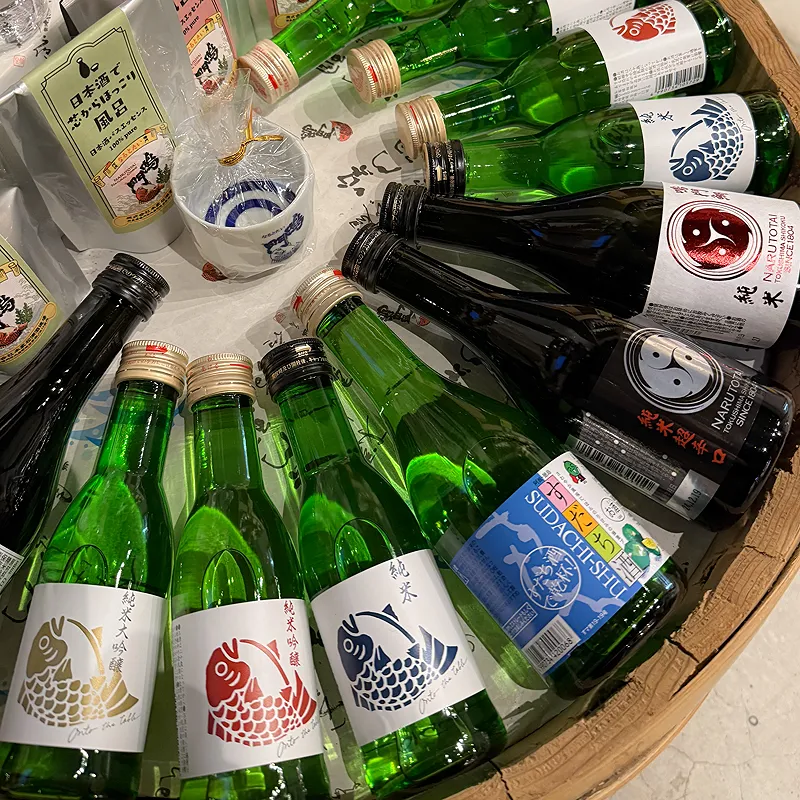
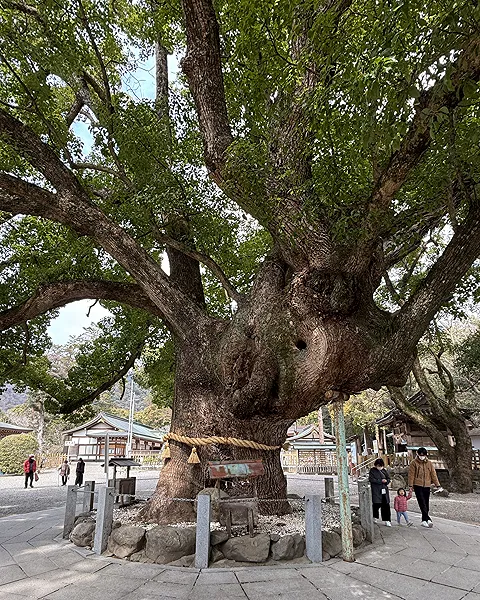
Rage of Matsuura Sake

Philosophy of Kikuno Tsukasa Brewery


Matsuura Shuzojo sees sake as an expression of movement and balance. The surrounding sea is dynamic, but the brewery does not simply translate that energy into force. It shapes it into freshness, clarity, and a composed finish.

Brewing in a warm coastal region requires attentive fermentation control. The brewery works with local underground water and careful technique to draw out the rice’s flavour while keeping the sake clean and stable. Precision matters.

The aim is sake that has presence with food. It should stand beside seafood and fermented flavours, not disappear behind them, and not overwhelm them either.

Prefecture

Tokushima Prefecture Naruto | Shikoku Region in Japan

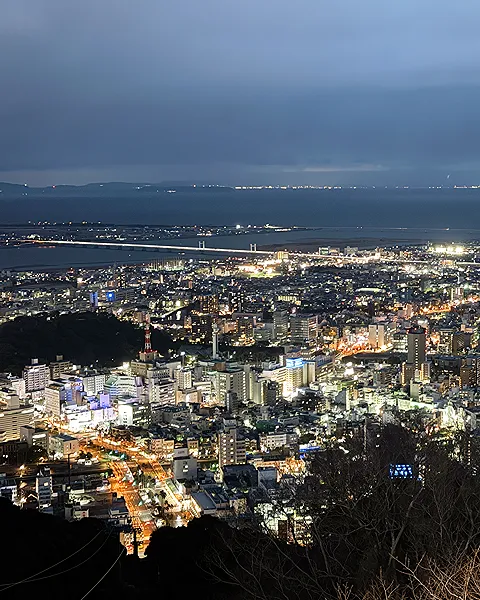
Naruto lies in north eastern Tokushima, where the Seto Inland Sea and the Kii Channel meet. The Naruto Strait is known for its fast tidal currents and whirlpools, a dramatic natural feature that has shaped both the image and the food culture of the region.

The sea brings ingredients such as sea bream and wakame, while rivers and streams from the Shikoku mountains support agriculture inland. Sea air, mountain water, and fertile land sit close together, giving the region a distinctive natural balance.

This environment creates sake with a clear role at the table. It must be fresh enough for seafood, structured enough for regional dishes, and calm enough to be enjoyed throughout a meal. Matsuura Shuzojo’s sake reflects exactly that coastal character.

Nakano Sake Products

From the Interview

Reflections from Matsuura Shuzojo

More Than Two Centuries of Brewing Shaped by People, Place and Continuity

What stands out in the interview with Matsuura Shuzojo is the belief that a brewery endures not through history alone, but through the people who continue to need and support it. The brewery places particular importance on the idea of wajo ryoshu, the belief that good sake comes from harmony among the people who make it. That thinking extends beyond the brewery itself to the surrounding culture of Naruto, where sake sits alongside soy sauce, pottery, indigo dyeing and other forms of local craftsmanship.

“I think the fact that we have been able to continue working in the same place, in much the same way, is because our customers have genuinely continued to need us.”

More Than 220 Years in the Same Place

Matsuura Shuzojo began brewing sake more than 220 years ago, and the place where that brewing began still survives today. It now serves as the brewery's shop, where visitors can taste sake and buy products.

The brewery does not view longevity simply as a number. Remaining in the same place for generations is seen as evidence that the brewery has continued to have a role for its customers and its community. History, in this sense, is the result of an ongoing relationship rather than something that exists on its own.

“There is a saying in sake brewing, wajo ryoshu: good sake is brewed through harmony. I always feel that without harmony, you cannot make good sake.”

Good Sake Begins with Harmony

One of the principles Matsuura Shuzojo values most is wajo ryoshu, the idea that good sake is created through harmony among the people involved in making it. Brewing is not understood as the achievement of a single individual, but as the result of people working well together.

The brewery wants its staff and brewers to be able to voice new ideas, debate them openly and then try them in practice. That atmosphere of shared responsibility and discussion is part of how the brewery continues to refine the sake it already makes.

“I would like this area to become the kind of place where people discover a different side of it each time they visit.”

Connecting the Brewery with Naruto's Craft Culture

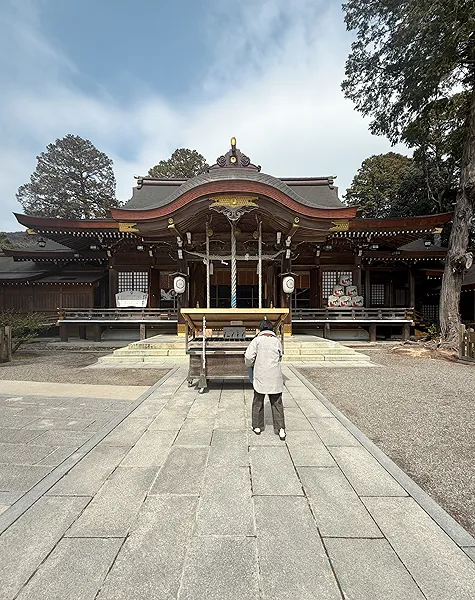
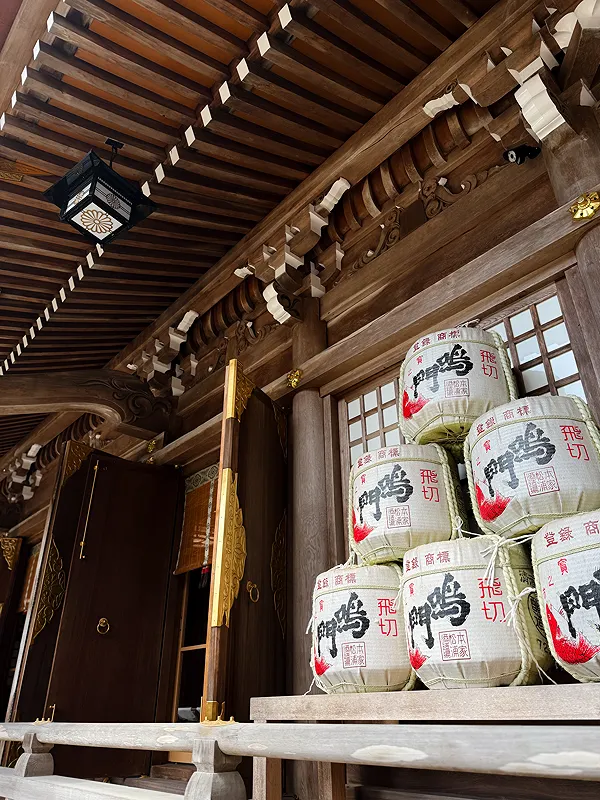
Matsuura Shuzojo is located in an area of Naruto with a strong tradition of making things. Alongside the brewery are producers of soy sauce, Otani pottery, indigo dyeing and a number of temples and shrines. Matsuura Shuzojo is now the only remaining sake brewery in Naruto.

The ambition is not simply to attract visitors to the brewery itself. It is to encourage people to explore the wider area and encounter its different layers of culture and craftsmanship. By working with others in the community, the brewery hopes to become one part of a place that rewards repeated visits.

“Overseas, I think it is important to make sake that stays in the memory, something that makes people ask, ‘Where is this sake from?’ after the first sip.”

Making Sake That Stays in the Memory

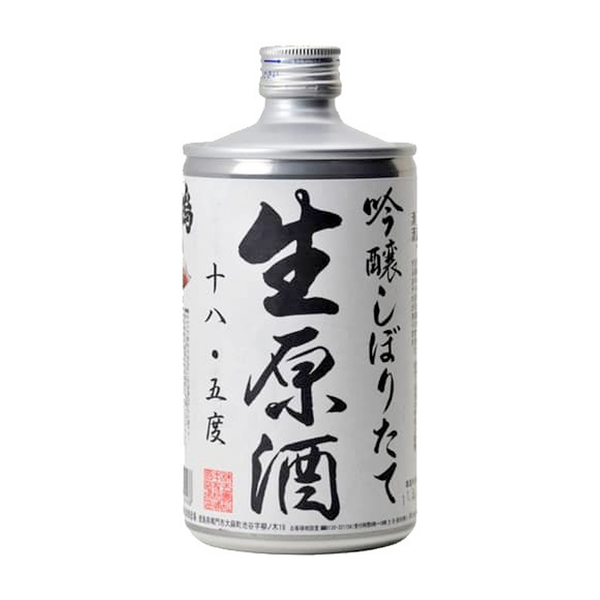
Matsuura Shuzojo is careful not to generalise about what drinkers overseas prefer. However, the response to styles such as its yamahai sake and Ginjo Shiboritate Nama Genshu has shown the brewery how important it is for a sake to leave a clear memory.

The aim is to create the kind of impression that makes someone stop and ask where the sake came from. That does not necessarily mean making something forceful. It means giving the sake enough individuality within an approachable style for the drinker to remember it and want to return to it.

“Its character is the fresh feeling of newly pressed sake, together with the distinctive Naruto Tai quality of being high in alcohol but gentle to drink. It is gentle, yet it spreads broadly across the palate.”

Freshness and Breadth in Ginjo Shiboritate Nama Genshu

Ginjo Shiboritate Nama Genshu is described through two contrasting qualities: the freshness of newly pressed sake and a higher alcohol level that still feels gentle on the palate. The initial impression is soft, but the flavour then opens out fully in the mouth.

For serving, the brewery recommends a vessel with a slightly open rim rather than a wine glass that concentrates the aroma too strongly. Refrigerated storage is also important so that the sake reaches the customer in as fresh a condition as possible. The drinking vessel and temperature are therefore treated as part of the sake experience, not as an afterthought.