Kokonoe SaikaSake Brewery in Wakayama Prefecture

Kokonoe saika logo

The quiet richness of a culture shaped by fermentation.

From the Kinokawa basin, Kokonoe Saika creates sake grounded in food, water, and Wakayama’s long fermentation culture.

History of Kokonoe Saika Brewery


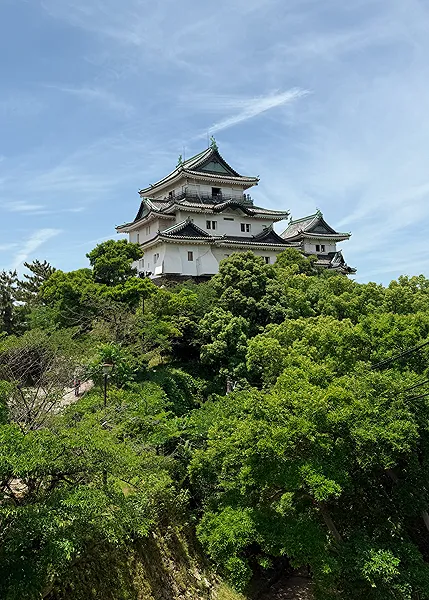
Kokonoe Saika was founded in 1908 in Wakayama Prefecture, near the Kinokawa River. The region has long been shaped by farming, trade, and fermentation, with sake, vinegar, pickled foods, fruit, and local cooking all forming part of a wider food culture.

The brewery has developed within this practical and flavour-conscious environment. Its sake is made not as an isolated product, but as part of a table where food and fermentation naturally belong together.

Over time, Kokonoe Saika has refined a style that values balance, clean refreshment, and gentle umami. It is a quiet kind of depth, built through patience rather than spectacle.
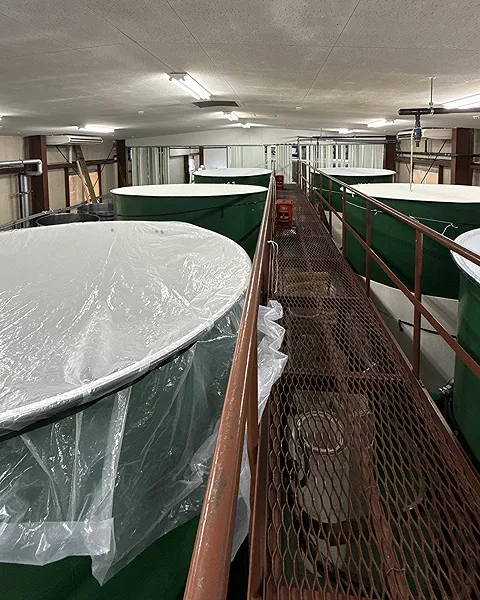
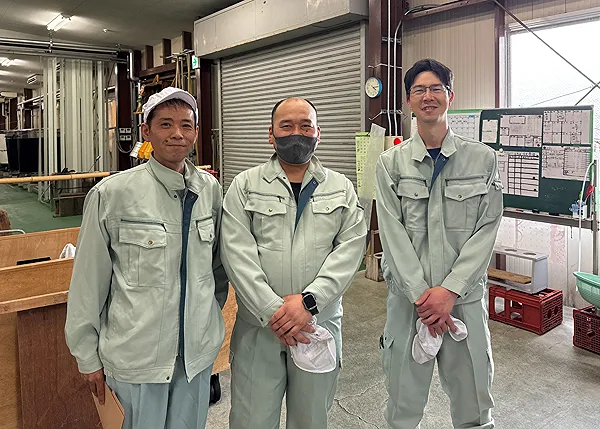
Philosophy of Kokonoe Saika Brewery


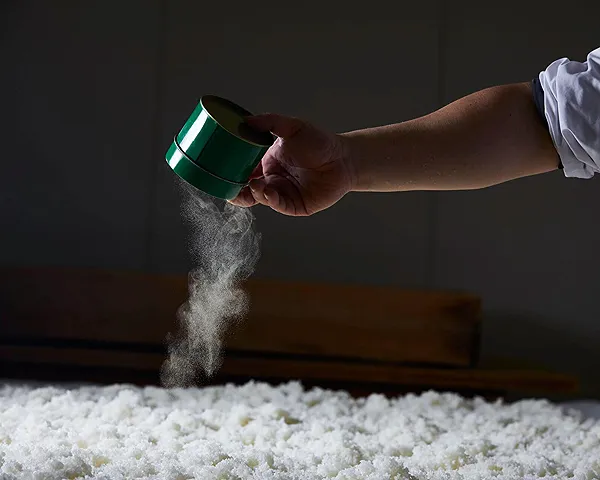
Kokonoe Saika approaches sake as part of a broader culture of fermentation. This means understanding flavour as something that develops through time, care, and close attention to natural change.

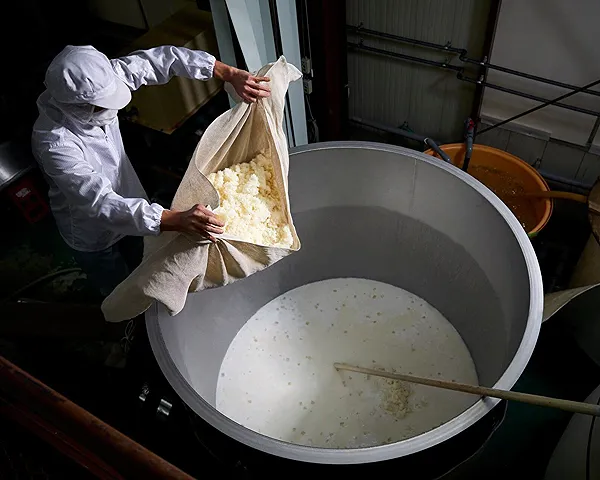
The brewery uses subsoil water from the mountains of Kishu to create sake with a clear finish and a composed structure. Rather than decorating the flavour, it looks for precision, balance, and a natural relationship with food.

Fermentation is never only a technique here. It is a way of reading the land. That gives Kokonoe Saika’s sake its layered but understated character.

Prefecture

Wakayama Prefecture Kinokawa River Basin | Kansai Region in Japan

The Kinokawa River flows through northern Wakayama from the Kii mountain range towards the sea. Its basin is rich in water, sunlight, and agricultural variety, supporting rice as well as citrus, plum, and other fruit crops.

Wakayama also carries a strong spiritual and cultural connection with nature, including the heritage of Kumano. Mountains and sea sit close together, creating a food culture where seafood, fruit, preserved foods, and fermented flavours all have a place.

Water filtered through the region’s geology becomes gentle groundwater suited to brewing. In this environment, sake is a companion to food and daily life. Kokonoe Saika’s style reflects that layered terroir, calm on the surface and quietly full beneath it.

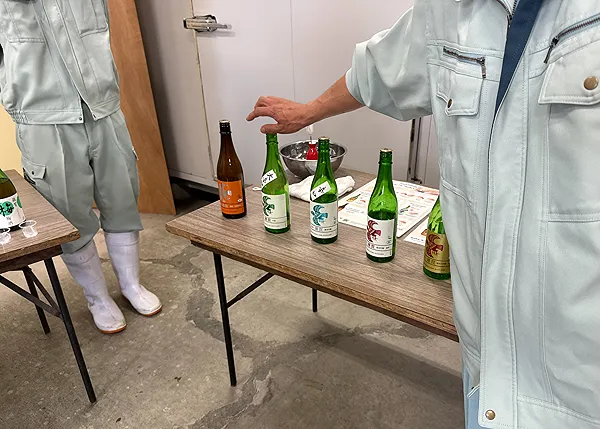
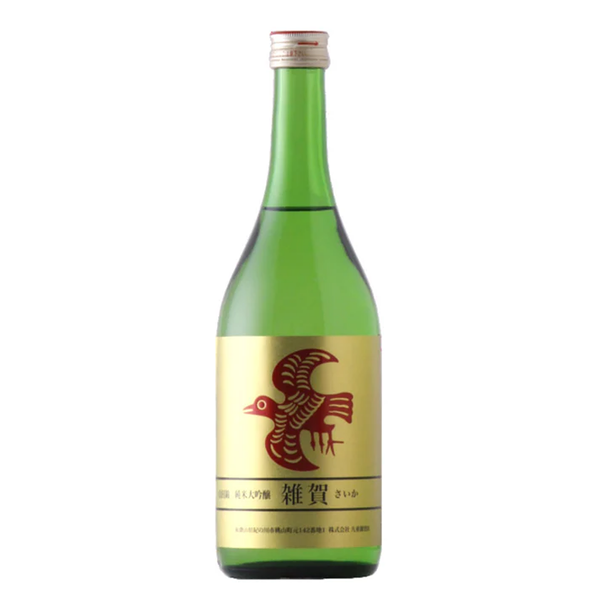
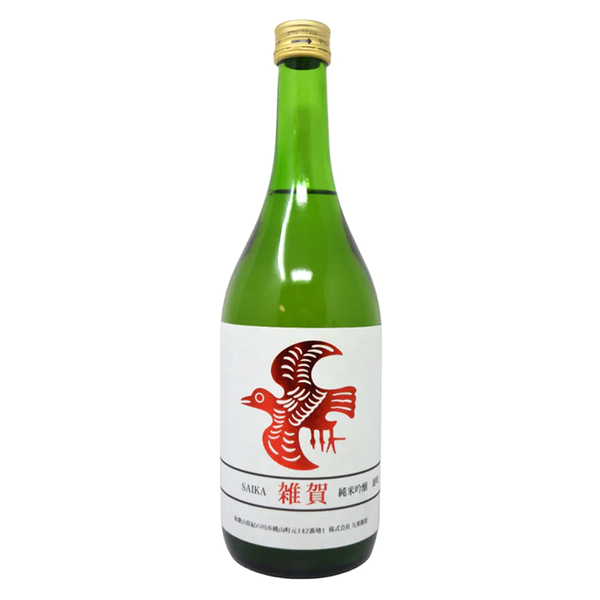
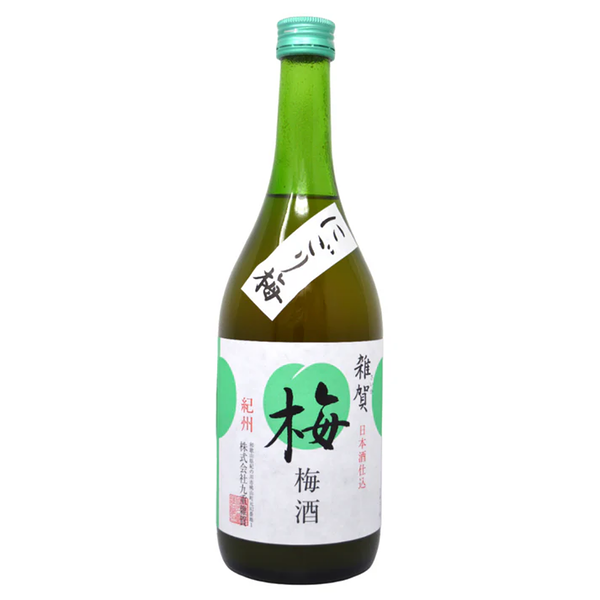
Kokonoe Saika Sake Products

From the Interview

Reflections from Kokonoe Saika

From Rice to Sake, and from Sake to Akazu

What distinguishes Kokonoe Saika is that its story does not begin with sake alone. The company began as a vinegar producer, then started brewing sake so that it could control the quality of the raw material used to make its vinegar. Today, rice connects much of what it produces, from sake to sake based liqueurs and akazu, the traditional red vinegar made from sake lees. The interview also reveals a close connection with sushi culture and a growing commitment to making its products accessible across different religions and food cultures.

“To make good vinegar, we wanted to make everything consistently from the raw materials ourselves.”

Brewing Sake in Order to Make Better Vinegar

Kokonoe Saika was founded in 1908 as a vinegar producer. In 1934, the company began brewing sake because it believed that making better vinegar required greater control over the ingredient from which that vinegar was made.

Today, the company brews sake using rice that includes crops grown by members of the family, then uses the resulting sake lees to make akazu. This gives Kokonoe Saika an unusual history. Rather than developing from sake into other products, its sake brewing grew from a desire to improve the quality of its vinegar.

“We grow the rice, make sake, then go on to make akazu and sake based liqueurs. Rice is connected to everything we do. Rice is the starting point.”

Rice as the Starting Point

Kokonoe Saika produces sake, akazu and sake based liqueurs, but these are not treated as unrelated categories. They are linked by rice and by a production philosophy that follows the ingredient from cultivation through fermentation and into further forms.

This is more than a broad product range. It reflects a desire to understand one ingredient deeply and make full use of what it can become. Rice leads to sake, sake leads to sake lees, and the sake lees become akazu. That continuity is central to the identity of Kokonoe Saika.

“It is said that the food stalls helped akazu to grow.”

Akazu and the Evolution of Sushi Culture

The interview traces the development of sushi from fermented nare sushi through faster forms of sushi and eventually to Edomae sushi. Sushi originally developed as a way of preserving fish through fermentation. As people sought ways to shorten the process, vinegar became increasingly important.

Akazu, made from sake lees, became closely associated with the growth of Edomae sushi. It offered an alternative to expensive rice vinegar and suited the fast, affordable food stall culture of Edo. Today, akazu has been rediscovered by leading sushi restaurants and is particularly well suited to sushi in which the fish has been carefully matured to develop greater depth of flavour.

“We were told that being delicious was not enough for people to put it in their mouths, and being delicious was not enough for them to use it.”

Learning That Taste Alone Is Not Enough

During seminars overseas, Kokonoe Saika encountered an important reality that can be easy to overlook from within Japan. A product may taste excellent, but religious requirements or differences in food culture can still prevent someone from eating or using it.

This experience changed the way the company thought about international markets. Reaching people overseas requires more than explaining flavour and quality. It also means understanding the conditions under which different people can choose a product with confidence.

“What we can contribute is to help reduce inequality between people and countries through food.”

Crossing the Boundaries of Religion and Food Culture

During the pandemic, Kokonoe Saika reconsidered the purpose of the company and developed a principle centred on crossing the boundaries created by religion and food culture. That idea has led to practical work on certifications including Kosher, Halal and Vegan standards.

The objective is not certification for its own sake. It is to make it possible for people who might otherwise be unable to choose the company's products to enjoy them with confidence. For Kokonoe Saika, international growth is therefore not simply about exporting more. It is also about widening access to food and creating more opportunities for people with different backgrounds to share the same table.