KayashimaNishinoseki, The Sake Brewing in Oita Prefecture

Nishinoseki logo

A quiet drop shaped by a land of devotion.

Kayashima Shuzo is a small brewery in Oita, on the Kunisaki Peninsula, with a history going back to 1873. It is known for its careful, small-scale brewing and sake with a gentle and natural character. Its sake reflects the quiet culture, spiritual tradition, and seasonal rhythm of the region.

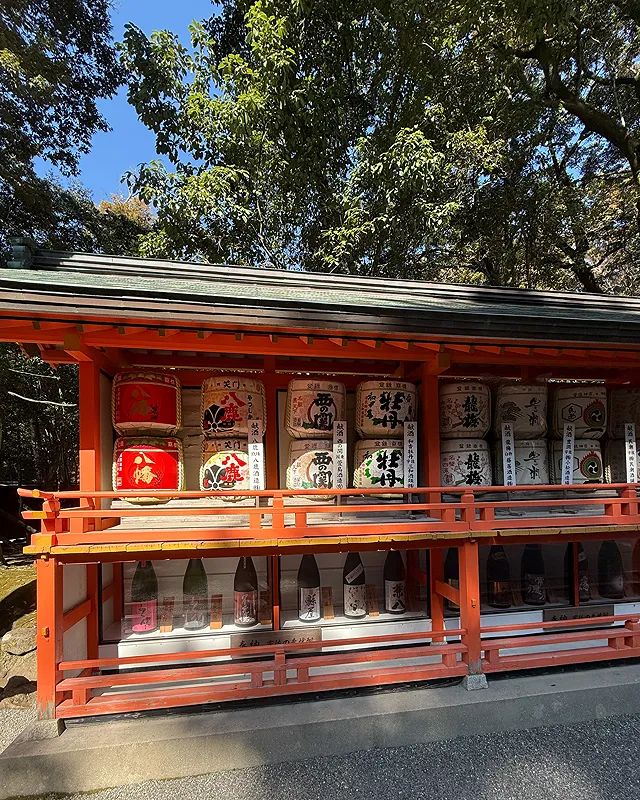
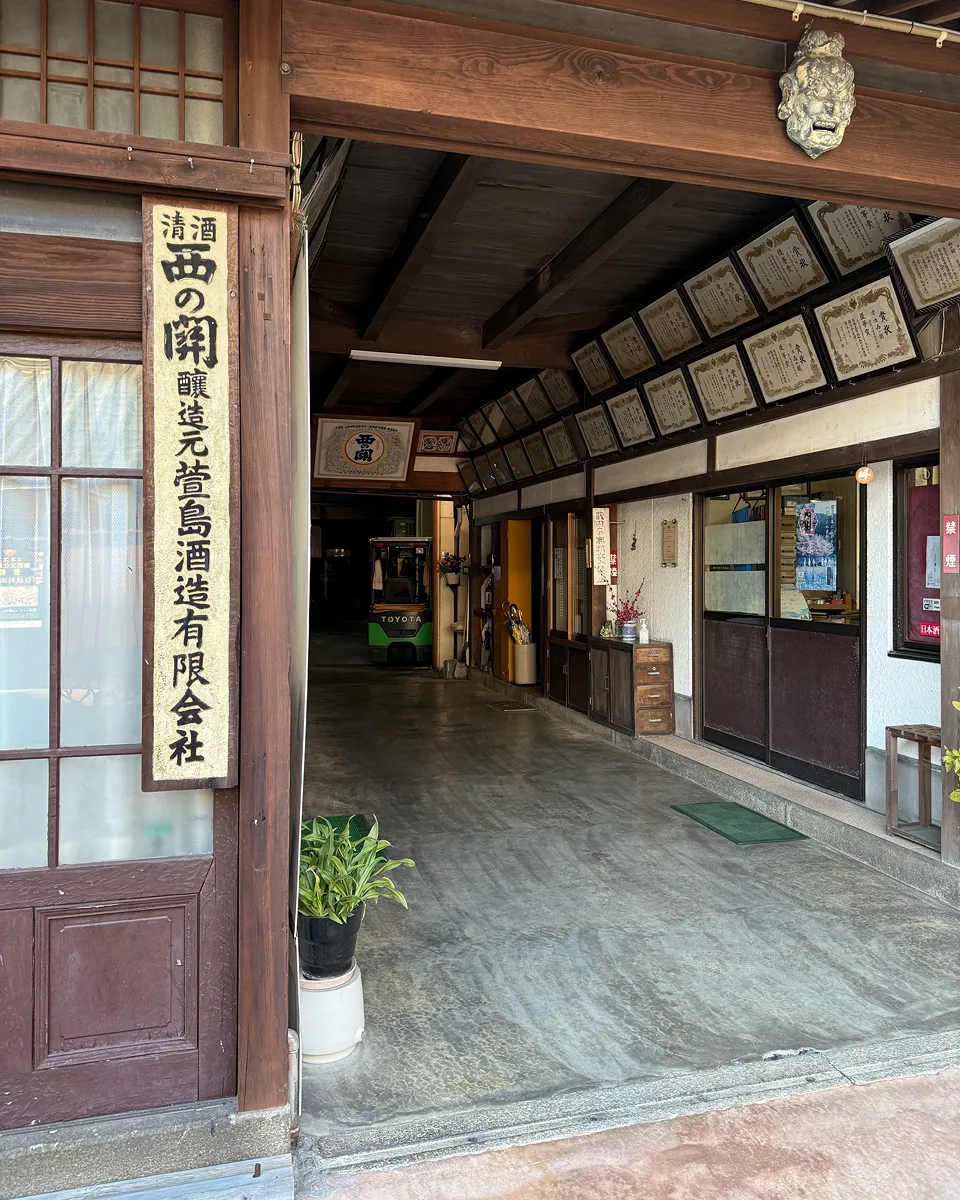
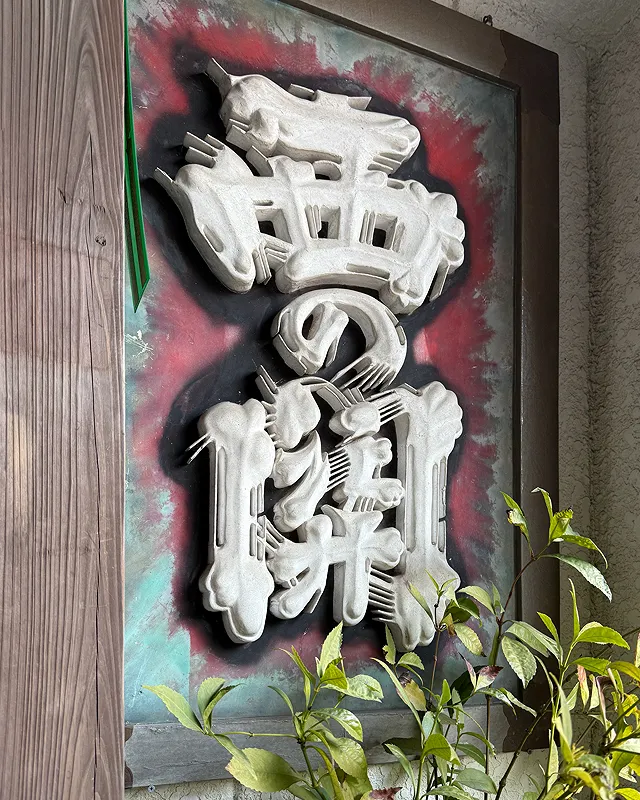
Kayashima Shuzo Sign Board

History of Kayashima Brewery


Kayashima Shuzo is located on the Kunisaki Peninsula in Oita Prefecture from 1873, a region where agricultural life and spiritual tradition have long coexisted. Rather than pursuing expansion or industrial efficiency, the brewery has remained rooted in the rhythms of its surroundings, refining its craft through careful, small-scale production. Over generations, its sake has been shaped by an ethos of restraint and attentiveness — values deeply embedded in the local culture.

The continuity of knowledge, from rice cultivation to fermentation, has allowed the brewery to maintain a distinctive identity grounded in place. Today, Kayashima Shuzo continues to produce sake that reflects both the natural environment and the quiet sensibility of the peninsula’s communities.
Philosophy of Kayashima Brewery


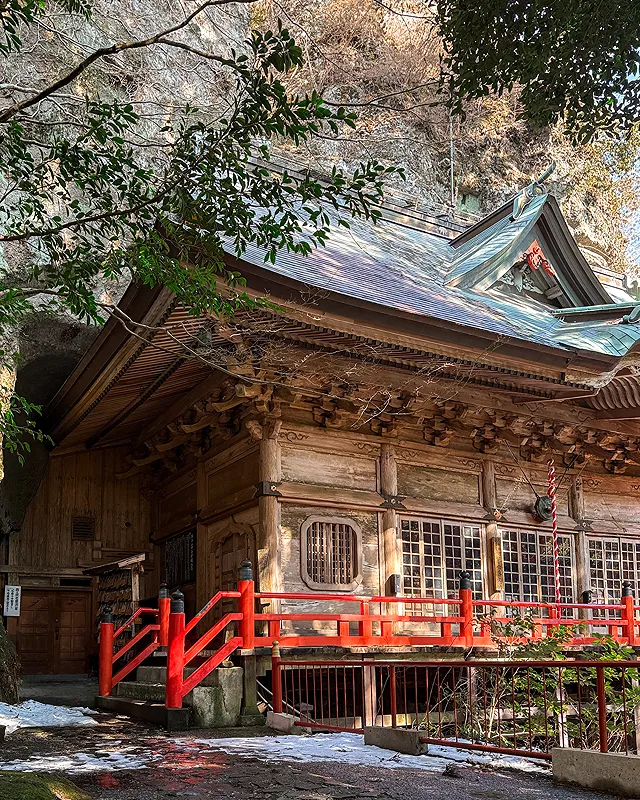
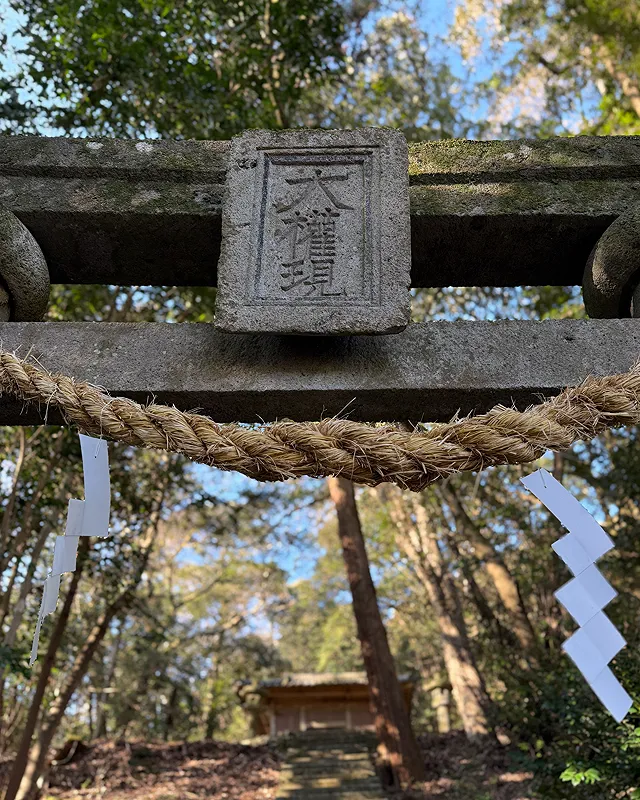
At Kayashima Shuzo, sake brewing is regarded as a quiet dialogue between nature and human intention. Rather than seeking dramatic expression, the brewery values subtlety and continuity, allowing each stage of production to unfold at a measured pace. This philosophy reflects the spiritual landscape of the Kunisaki Peninsula, where religious practice and agricultural life have long existed in mutual balance.

The brewery’s approach emphasises respect for raw materials and the seasonal rhythm of the land. Rice, water and climate are understood not as variables to be controlled, but as elements to be carefully interpreted. Through patient fermentation and restrained technique, Kayashima Shuzo aims to reveal the inherent character of its environment in each sake it produces.

Prefecture

Oita Prefecture | Kyusyu Japan


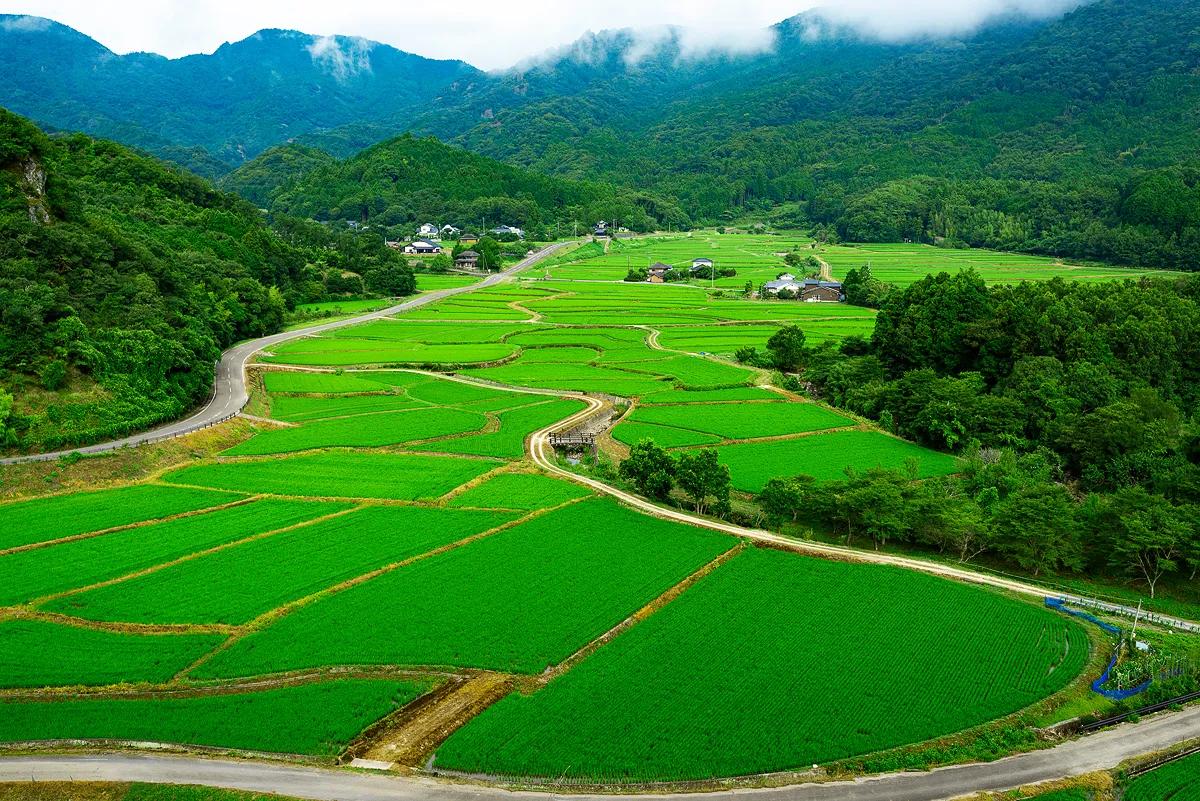
The Kunisaki Peninsula is a landscape where wooded mountains meet the sea. Rainfall absorbed by volcanic soil slowly filters through geological strata before emerging as soft underground water. This naturally purified water has long supported agriculture and provides ideal conditions for gentle, controlled fermentation.

Local cuisine draws equally from maritime and rural resources, combining fresh seafood with seasonal produce from the hills. In this context, sake has traditionally been enjoyed alongside food, enhancing rather than dominating the dining experience. Kayashima’s style mirrors this environment — composed, balanced, and gradually revealing the subtle depth of its terroir.

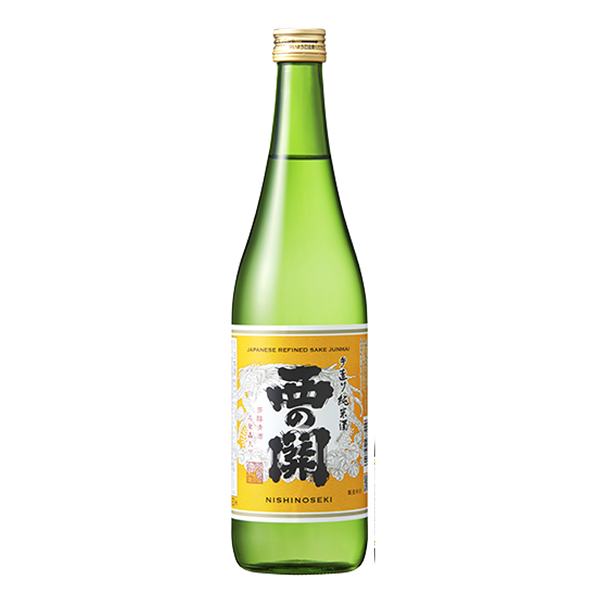
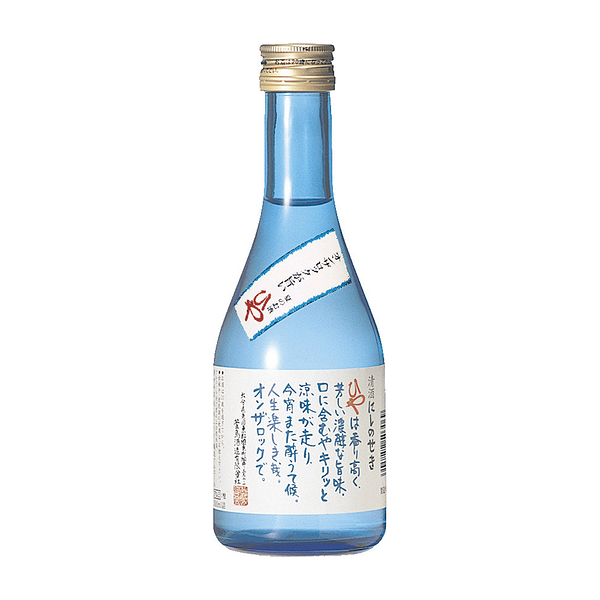
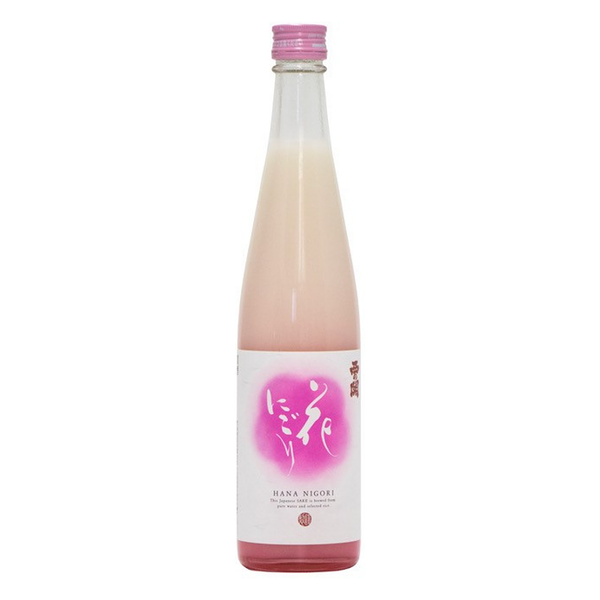
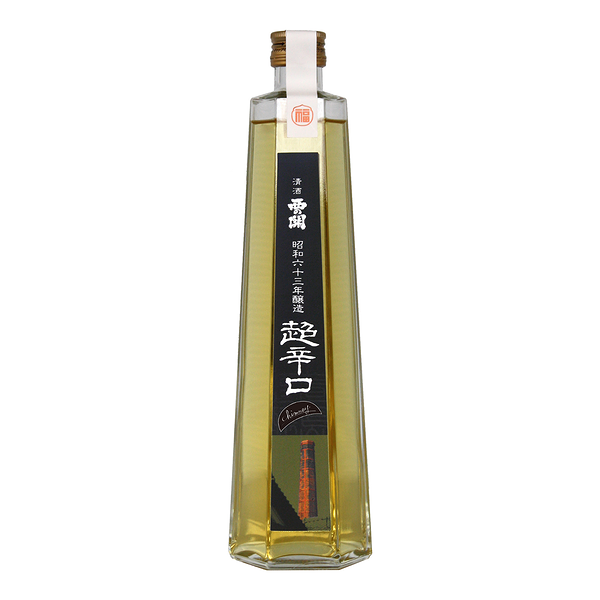
Kayashima Sake Products

From the Interview

Reflections from Kayashima Brewery

Sake Brewing Rooted in Technique and the Discipline of Basics

At Kayashima Brewery, sake brewing is shaped less by grand statements and more by accumulated experience, careful judgment, and technical skill. What stands out in this interview is a clear belief that great sake should not depend on excuses about the quality of the raw materials, but on the brewer’s ability to make a stable and expressive sake under any conditions.

“Sake is determined not by the ingredients, but by technique.”

A Belief in Doing the Basics Thoroughly

At Kayashima Brewery, the essence of brewing is not seen as something extraordinary. It is about carrying out the fundamentals properly, without compromise. This is understood to be both the most difficult and the most important part of the craft. Rather than blaming the rice or the conditions of a particular year, the brewer’s role is to achieve consistency through skill. At the centre of this thinking is a deep trust in technique.

“This is not a world of numbers. It is something you learn with your body on the brewery floor.”

Koji and the Knowledge Built on the Brewery Floor

Among the technical elements of brewing, koji is the most important. At Kayashima Brewery, more than a dozen different styles of koji are used depending on the character of sake they want to create. This is not something that can be managed by numbers alone. It is a craft learned through direct experience, repeated observation, and physical familiarity with the process. Each year brings different rice, and the ability to judge what kind of koji is needed is essential to shaping the final flavour.

“We listen to our customers, improve, and repeat that process again and again.”

Refined Through the Voices of the Local Community

The brewery’s connection with its local community is also an important part of its identity. Local customers drink the sake and speak honestly about it. At times, that means criticism or complaints, but these are treated as valuable lessons. When concerns arise, the brewery makes a point of checking the same sake carefully and responding with sincerity. Through that process, feedback becomes a source of learning, trust, and improvement for the next brew.

“What matters is not where to sell it, but where it truly fits.”

Thinking About Where Sake Truly Belongs

In thinking about overseas markets, Kayashima Brewery focuses not simply on where sake can be sold, but on where it truly fits. Vietnam is seen as a market where food culture and seasoning work well with sake. Europe, by contrast, can be more challenging, as the strength of the cuisine may sometimes overpower sake’s delicacy. Looking ahead, the brewery sees growing potential in sake with more acidity and stronger structure, allowing it to stand alongside a wider range of world cuisines.

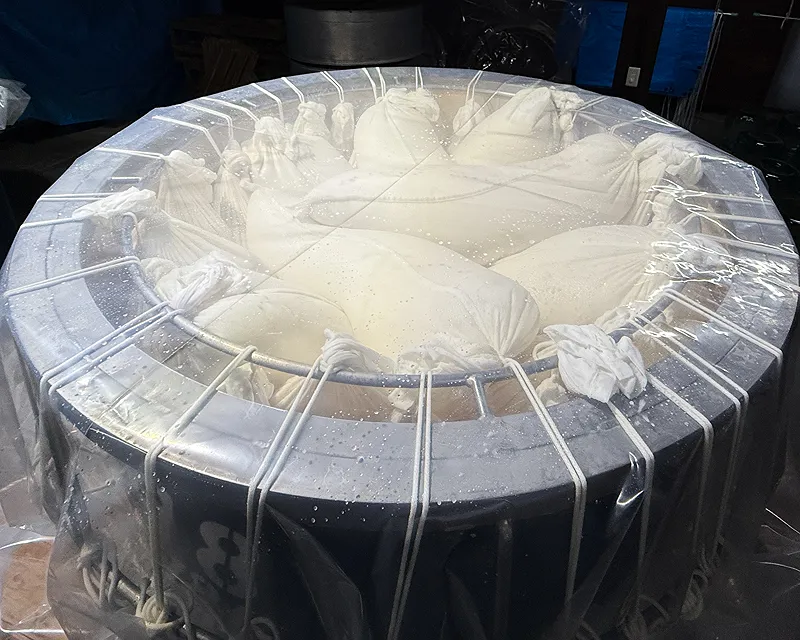
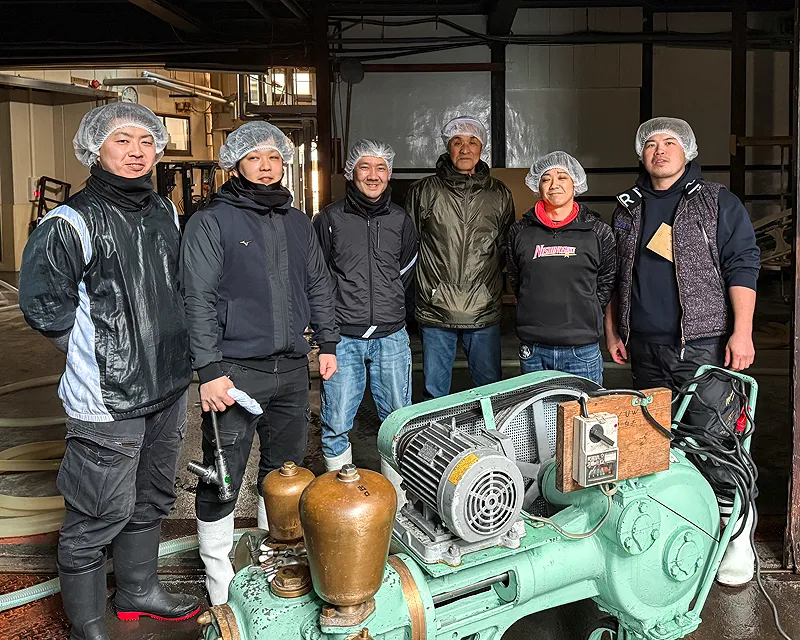
Photos from out visit to Kayashima Brewery in 2025

Photos from visit to Kayashima Brewery