IzumibashiSake Brewery in Kanagawa Prefecture

Izumibashi Logo

Individuality born from the memory of the rice field.

In Ebina, Izumibashi brings rice cultivation and sake brewing together, creating sake that begins in the field and ends in the glass.

History of Izumibashi Brewery


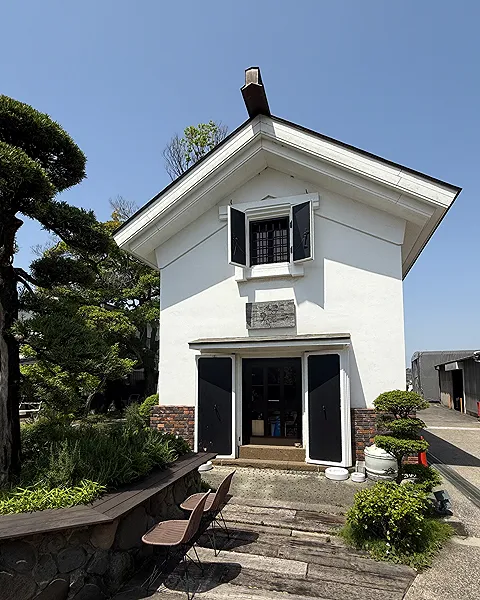
Izumibashi Brewery was founded in 1857 in Ebina, Kanagawa Prefecture. Although the area now sits close to the expanding Tokyo metropolitan region, it has long retained a strong connection to rice farming and the agricultural culture of the Sagami Plain.

The brewery has grown within that landscape. Its approach is based on the belief that sake is not made only inside the brewery. It begins with soil, water, seed, and season, long before fermentation starts.

In recent decades, Izumibashi has strengthened this idea through its work as a cultivation and brewing brewery. By growing sake rice itself and working closely with local farmers, it has created a model where agriculture and brewing move hand-in-hand.

This gives the sake a clear identity. It is not just crafted. It is grown.
Philosophy of Izumibashi Brewery


Izumibashi’s philosophy begins in the rice field. Variety selection, soil management, harvest timing, and water all influence the shape of the final sake. The brewery treats these choices as part of brewing itself.

Subsoil water from the Tanzawa mountain range supports fermentation, helping the rice express itself without excessive decoration. The aim is not to compete through high polishing or dramatic aroma. It is to show the character of the year and the land with honesty.

This way of thinking is close to the idea of terroir in wine. From field to glass, Izumibashi presents sake as a living expression of place, labour, and responsibility.

Prefecture

Kanagawa Prefecture Ebina | Kanto Region in Japan

Ebina lies in central Kanagawa, within the Sagami Plain. It is close to urban life, yet rice fields and agricultural memory remain part of the local landscape. This contrast gives the region a distinctive character.

Water from the Tanzawa mountains nourishes the plain, supporting farming and daily life. Rainfall filters through the land and becomes soft groundwater, well suited to steady fermentation and the clear expression of rice flavour.

The temperate climate and fertile soil have long supported rice cultivation. In this setting, sake is naturally connected with everyday meals and seasonal produce. Izumibashi’s sake reflects that relationship, bringing the field, the brewery, and the table into one continuous story.

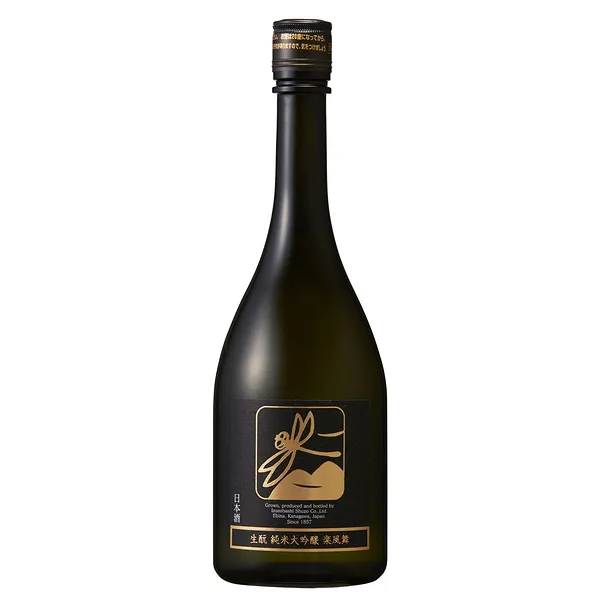
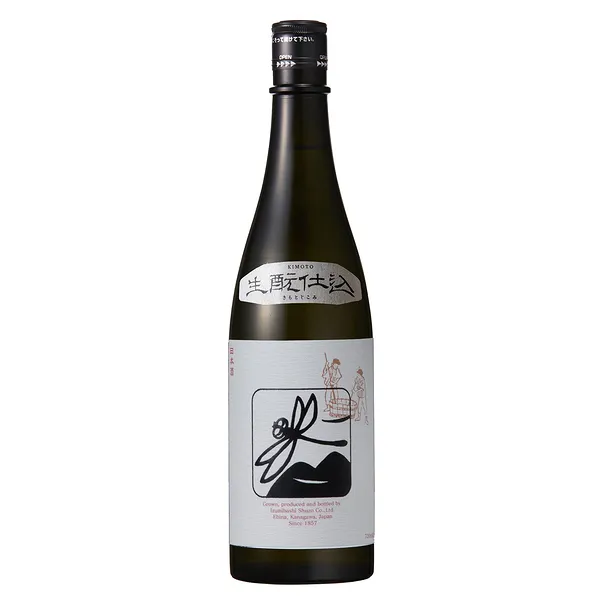
Izumibashi Sake Products

From the Interview

Reflections from Izumibashi Brewery

Sake Brewing That Begins in the Rice Fields

What stands out in the interview with Izumibashi Brewery is a view of sake brewing that begins well before the rice reaches the brewery. Through its concept of a cultivation and brewing brewery, Izumibashi connects rice growing, polishing and brewing within its local area. At the same time, it combines accumulated experience with new agricultural technology, including drones and data analysis. The conversation also highlights the importance of presenting sake overseas in ways that connect naturally with local food and culture.

“Our greatest selling point is that everything, from growing the rice to polishing it and brewing the sake, is produced locally as one continuous process. We call ourselves a cultivation and brewing brewery.”

Connecting the Rice Fields Directly to the Brewery

One of Izumibashi Brewery's defining characteristics is that its responsibility for sake begins with growing the rice itself. Since legal changes in 1996 made direct agricultural production possible, the brewery has developed its own rice farming while also working closely with local contract farmers. Today, a significant share of its sake rice is grown by the company's own employees.

This approach has become increasingly important as farming communities face succession challenges. Izumibashi plans to expand its own growing capacity, helping to keep local rice fields in production while creating greater value by turning sake rice into a finished product. The brewery's idea of a cultivation and brewing brewery therefore links agriculture and sake making as parts of the same local system.

“In sake brewing, the basics are good soil, good rice and good sake.”

Building Good Sake from Good Soil and Good Rice

Across a history that stretches back to 1757, Izumibashi places importance on doing the fundamentals properly rather than pursuing novelty for its own sake. Good soil produces good rice, and good rice provides the foundation for sake that the brewery can release with confidence. One of the clearest standards expressed in the interview is simple: the aim is to make sake that the brewer would genuinely want to drink.

As a family business, Izumibashi is also able to think over a long period rather than focusing only on short term results. At the same time, the rapid expansion of its farming operations requires new tools and new ways of working. Tradition and innovation are not treated as opposites. Technology is adopted when it can help the brewery understand its rice more precisely and improve the quality of the sake that follows.

“What people say about bringing IT into agriculture is that it is not about memory, but records. Make decisions from the records.”

Turning Experience in the Rice Fields into Recorded Data

Izumibashi works with more than 450 individual rice fields, each with its own characteristics. Much of the knowledge needed to judge those fields has traditionally come from experience, such as knowing which field tends to perform well or which grower's rice behaves in a particular way. The brewery is now finding ways to turn that knowledge into records that can be analysed and used more systematically.

In collaborative research with the Kanagawa Industrial Technology Centre and Chiba University, drones fitted with near infrared cameras are used to observe photosynthetic activity in the rice plants. By comparing that information with the protein content of harvested rice, the team can estimate differences between plots before harvest. This can support decisions about which rice should be used for which sake, how far it should be polished, and how incoming rice should be organised for the brewing season. The aim is not to replace experience, but to give that experience a stronger foundation in recorded evidence.

“There are quite a lot of professional sake enthusiasts who become very interested when they hear the word kimoto.”

Why Kimoto Attracts Attention Among Sake Professionals

Izumibashi has found that overseas interest in sake can develop in different ways. Well known labels in Tokyo often attract international demand too, but people who have studied sake more formally can become especially interested in traditional brewing methods such as kimoto. For these drinkers, the method itself provides another way to understand the character and history of the sake.

Izumibashi's own brewing team is strongly engaged with kimoto, including the difficulty and unpredictability that can come with the process. That enthusiasm gives the brewery a natural point of connection with sommeliers, educators and other professionals who want to look beyond labels and classifications and understand how sake is actually made.

“I think localisation is the most important thing.”

Explaining Sake Through the Food People Already Know

For someone who has barely encountered sake, simply saying that it goes well with Japanese food may not be enough. Izumibashi believes that sake should be introduced through foods that people already know and regularly eat in their own country. Concrete local pairings can make sake easier to understand and allow it to become part of an existing dining culture rather than something that has to be approached only through Japanese cuisine.

There is also value in sharing the cultural background of sake itself. Rice, mochi and sake have long held a special place in Japanese life, particularly at gatherings and important occasions. Yet the interview makes clear that this should be a two way conversation. Understanding the other culture, sharing the background of both sides, and enjoying food and drink together can turn sake into a form of cultural exchange rather than a one sided explanation of Japan.