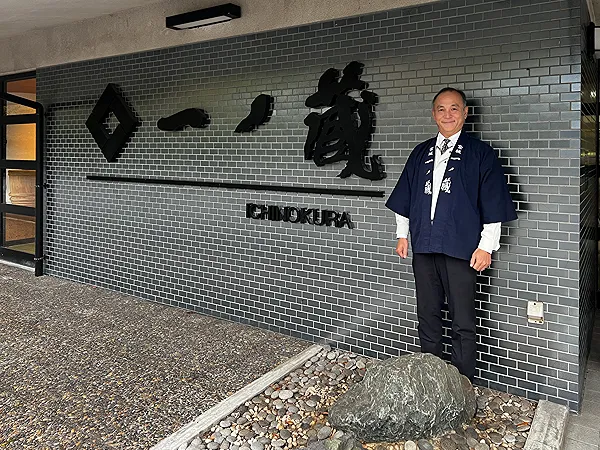
IchinokuraSake Brewery in Miyagi Prefecture

Ichinokura Logo

Gentle balance shaped for everyday harmony.

Born from cooperation between local breweries, Ichinokura creates Miyagi sake made for food, community, and daily enjoyment.

Ichinokura

History of Ichinokura


Ichinokura was established in 1973 through the collaboration of four breweries in Miyagi Prefecture. It was created to protect regional brewing knowledge while building a stronger path for sake for next generations.

From the beginning, the brewery placed quality, accessibility, and balance at the centre of its work. Miyagi’s sake culture has long valued food-friendly drinking, and Ichinokura developed a style that fits naturally into that tradition.

Its history is different from that of many older breweries. It is not defined by a single founding family or centuries of inheritance, but by cooperation and shared purpose. That makes its identity particularly modern, while still deeply regional.
Philosophy of Ichinokura Brewery


Ichinokura’s philosophy is harmony in everyday life. The brewery aims to create sake that belongs naturally with meals, conversation, and the passing of seasons.

Water from the Ou mountains supports stable low-temperature fermentation, helping create a clear and gentle profile. The sake avoids excessive aroma or weight, instead favouring balance and drinkability.

This is sake made with the wider table in mind. It is calm, reliable, and quietly complete.

Prefecture

Miyagi Prefecture Osaki | Tohoku Region in Japan

The Osaki Plain in northern Miyagi is known for fertile soil and abundant water. Rivers descending from the Ou mountains support rice cultivation and provide the foundation for regional brewing.

Miyagi also faces the Sanriku coast, one of Japan’s great seafood regions. This combination of rice country and coastal cuisine has encouraged sake that is clean, balanced, and well suited to delicate fish dishes.

Ichinokura’s sake reflects this environment through softness and clarity. It carries the kindness of Tohoku’s food culture without becoming plain. That quiet balance is its strength.

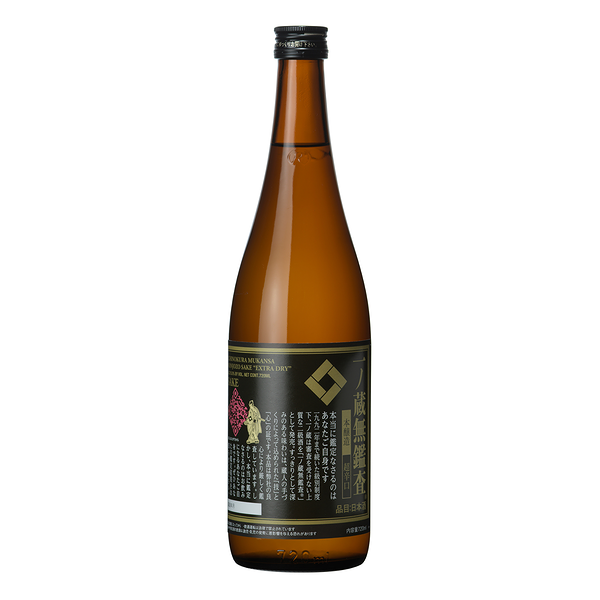
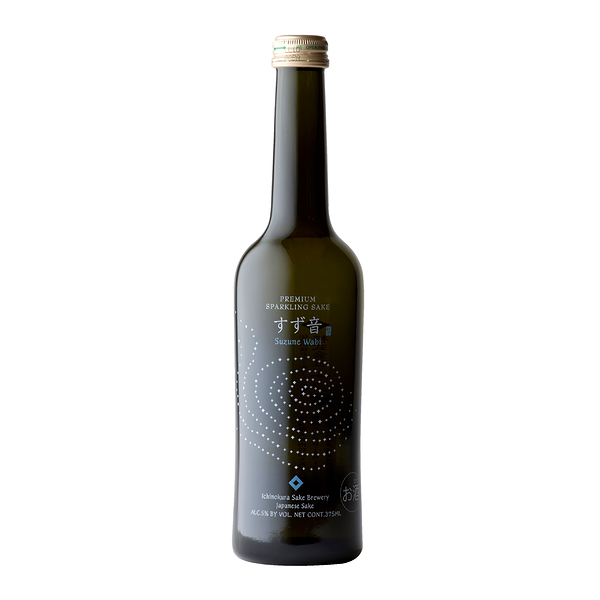
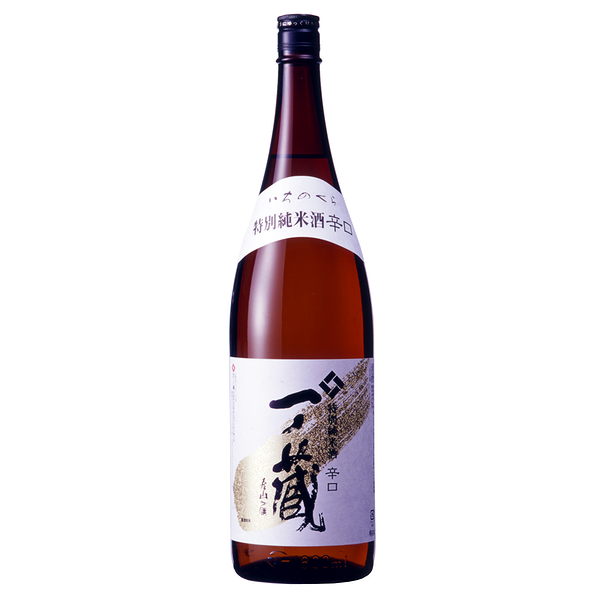
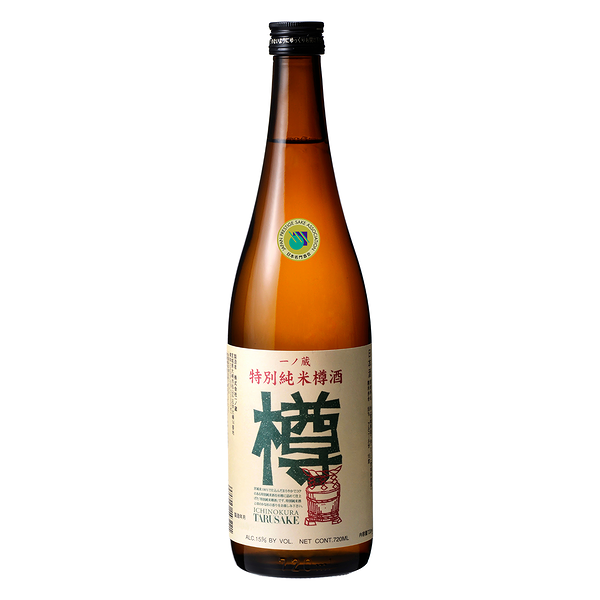
Ichinokura Sake Products

From the Interview

Reflections from Ichinokura

Handcrafted Sake, a Sense of Place, and the Possibilities of Food

What comes through strongly in the interview with Ichinokura is a commitment to preserving handcrafted sake brewing within a modern brewery, together with a belief that sake is shaped not only by rice and water, but by the wider environment that produces them. The conversation also moves beyond brewing itself, exploring umami, serving temperature, regional food culture, and the role sake can play at the European table.

“What we value most is handcrafted sake brewing — the handmade element.”

A Modern Brewery Built to Preserve Handcrafted Sake

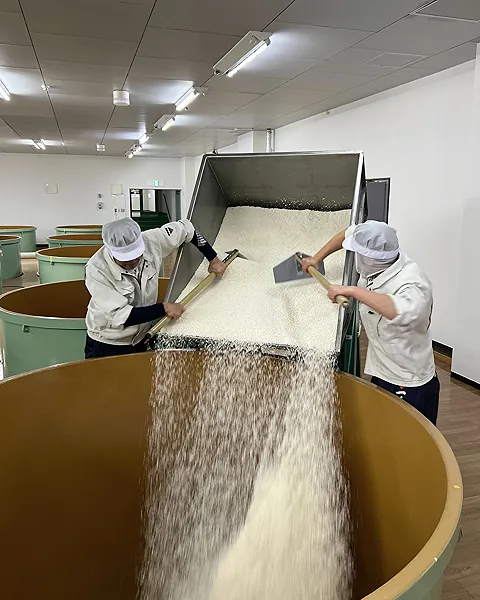
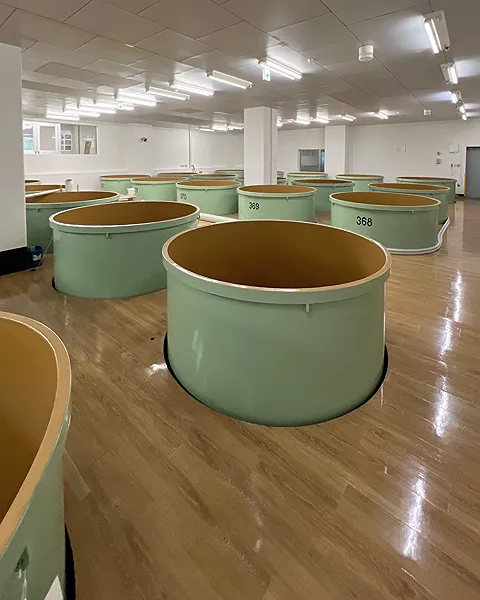
Ichinokura operates in a highly modern brewery, but the purpose of its facilities is not to replace the human element of sake brewing. The building was designed to make careful, hands-on production more efficient, allowing the brewers to continue working with close attention to each stage of the process. Scale and craftsmanship are not treated as opposites; modern equipment supports a brewing culture in which human judgement and technique remain central.

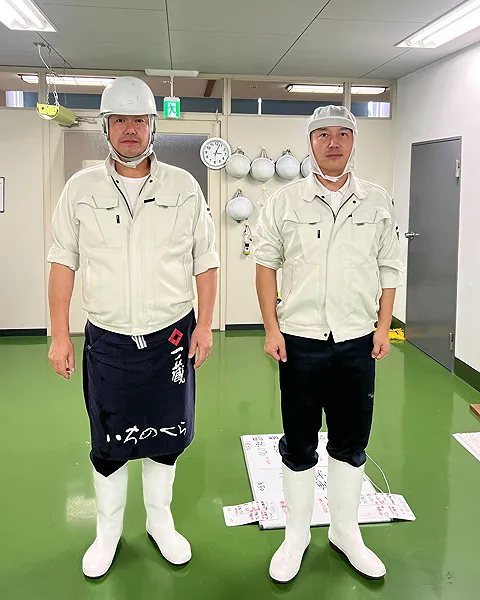
This approach is also closely linked to succession. By continuing to brew by hand, the brewery creates an environment in which knowledge can be passed on to the next generation of brewers, preserving not only production methods but the culture and discipline behind them.

“The most important thing is the soil. The soil creates the water, and the soil grows the rice.”

Brewing from the Landscape That Creates the Water and Rice

One of the main reasons Ichinokura established its brewery in this location was the quality of the local groundwater. Water with extremely low iron content is essential for sake brewing, and the brewery draws its water directly from wells on the site. The same groundwater is also used for daily life at the brewery, reflecting just how closely the operation is tied to the natural resources of the area.

Yet Ichinokura looks beyond the usual question of whether water or rice matters more. Its answer is the soil — and, more broadly, the local environment that creates both. The brewery owns woodland around the site that forms part of its water source, takes part in satoyama conservation, and works with rice growing that avoids excessive use of agricultural chemicals. In this view, protecting the landscape is not separate from brewing sake; it is part of the brewery's responsibility to the future.

“Sparkling sake works exceptionally well with fish dishes.”

From Miyagi Seafood to British Fish and Chips

Off the coast of Miyagi, northern and southern ocean currents meet, bringing a remarkable range of seafood into ports such as Kesennuma, Ishinomaki and Shiogama. Sake from Miyagi is often associated with a clean, relatively dry style that sits naturally alongside delicate seafood, including white fish and anago from Matsushima Bay.

When the conversation turned to British food, Ichinokura suggested a particularly approachable pairing: fish and chips with a gently sweet sparkling sake. The brewery sees rice-based sparkling sake as especially compatible with fish, offering a way to introduce sake not only through Japanese cuisine, but through familiar local dishes in the markets where it is enjoyed.

“With sake, one of its roles is actually to amplify the umami of the food you have just eaten.”

Temperature, Umami and a Distinctive Way to Experience Food

Another part of sake's appeal, as described by Ichinokura, is the way a single bottle can change with temperature. Chilled, at room temperature, or gently warmed, the same sake can reveal different expressions. The amino acids derived from rice contribute to its umami, and the perception of that umami shifts as the serving temperature changes.

The brewery also draws attention to a distinctive relationship between sake and food. Rather than simply cleansing the palate between bites, sake can combine with the umami of a dish and make that flavour feel fuller. This idea is closely related to the Japanese concept of seasoning or completing flavour within the mouth, and helps explain the traditional pleasure of placing one sake at the table and enjoying it across a succession of different dishes.

“We would like to see sake placed somewhere in the middle of the wine list and recommended to your guests.”

Making Sake a Natural Choice at the Global Table

Ichinokura already reaches many overseas markets, and throughout the interview there is a consistent desire to move sake beyond the idea that it belongs only with Japanese food. Because it is a fermented drink made from rice, the brewery sees it as capable of complementing a broad range of dishes, including cheese, fish, fresh vegetables, and European cooking that places emphasis on the natural character of its ingredients.

For hotel, bar, restaurant and buying professionals, the suggestion is deliberately practical: do not isolate sake as an unfamiliar specialist category. Place it alongside wine, recommend it with food, and give guests the opportunity to experience what its umami can bring to a meal. In that context, sake becomes not simply a Japanese product, but another meaningful choice within contemporary dining culture.