DassaiSake Brewery in Yamaguchi Prefecture

Dassai Logo

Innovation redefining the outline of sake.

From the mountains of Iwakuni to the global dining scene, Dassai has helped reshape how modern sake is understood.

History of Dassai Brewery


Dassai was founded in 1948 as Asahi Shuzo in the mountainous area of Iwakuni, Yamaguchi Prefecture. In 2025, the company adopted the name of its flagship brand and became DASSAI Inc. It is not connected to Asahi Shuzo of Niigata, the brewery behind Kubota.

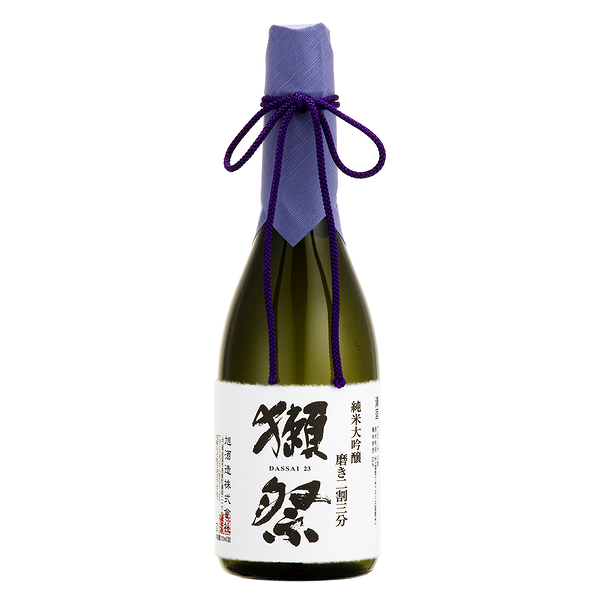
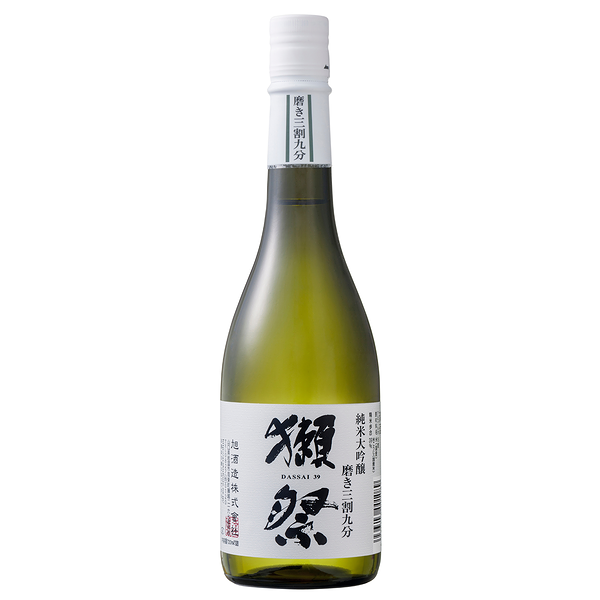
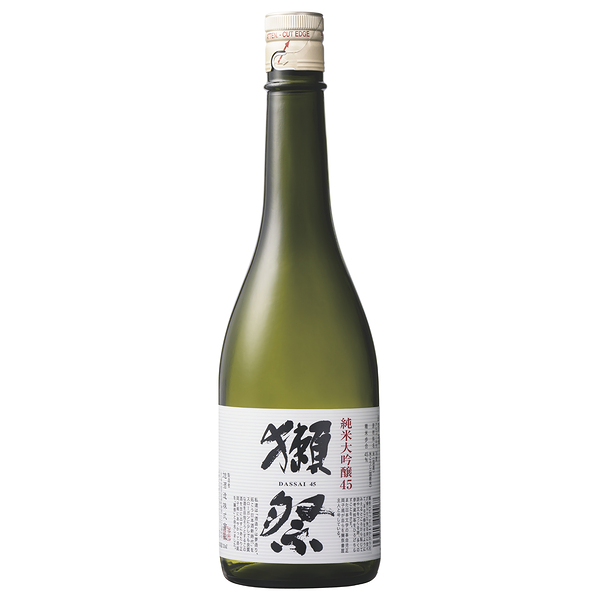
As the sake market changed, the brewery made a decisive choice. Instead of working across many styles, it focused on premium junmai daiginjo and pursued clarity, elegance, and precision through advanced rice polishing and careful fermentation control.

This approach helped change the image of sake. Dassai became recognised not only in Japan, but also in restaurants and dining rooms around the world. With brewing initiatives extending overseas, including production in the United States, it continues to place sake within an international context.

Small mountain brewery. Global presence.
Philosophy of Dassai Brewery


Dassai’s philosophy is built on the pursuit of purity and possibility. It respects tradition, but it does not treat convention as a limit. The brewery asks how far sake can go when rice, water, fermentation, and technology are brought together with absolute focus.

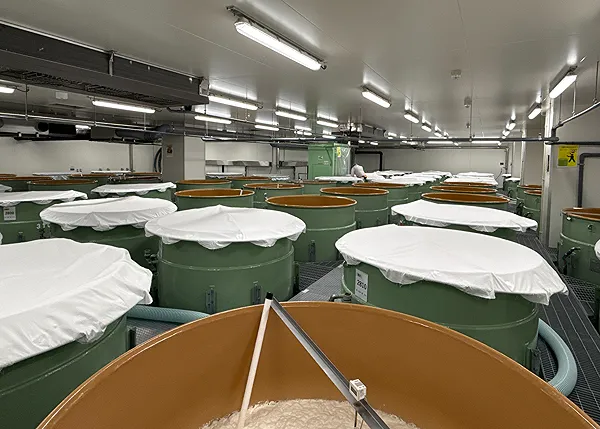
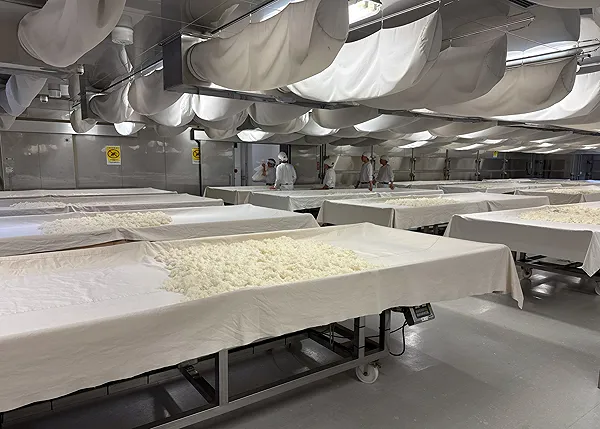
Yamada Nishiki rice is polished with exceptional care, and fermentation is managed to create a transparent, elegant profile. The goal is not weight or rusticity. It is a refined structure that can speak clearly across cultures.

This is innovation with a purpose. Dassai does not move away from sake’s roots. It sharpens them for a wider world.

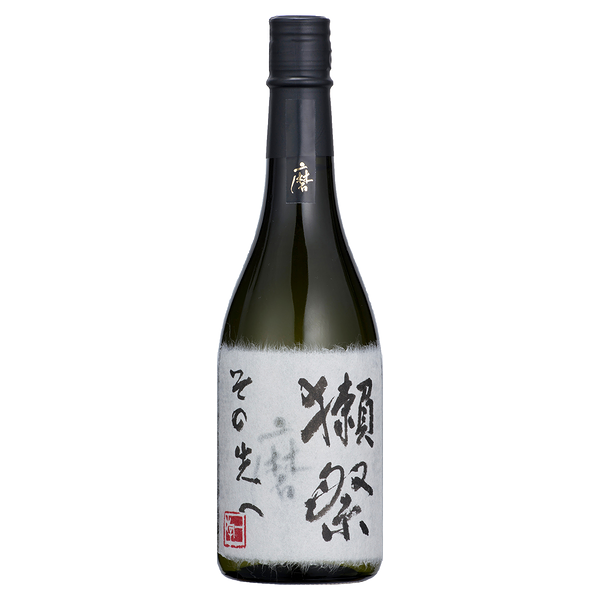
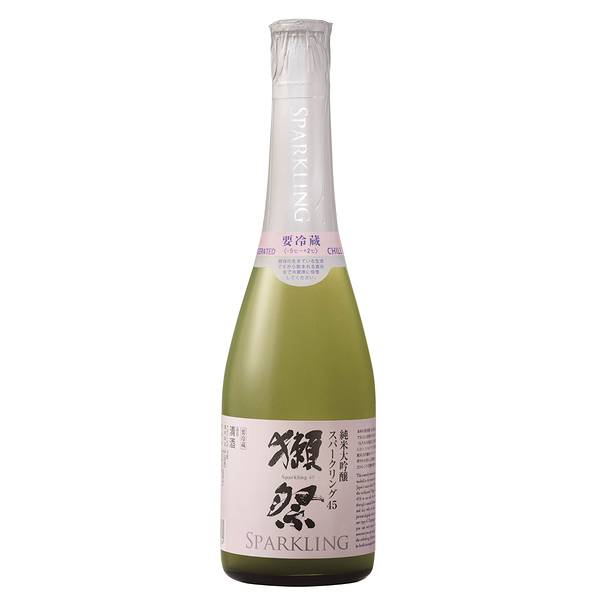
Dassai Sake Products

Prefecture

Yamaguchi Prefecture Echigo Yuzawa | Chube Region in Japan

Iwakuni lies in eastern Yamaguchi, close to the Chugoku mountains and within reach of the Seto Inland Sea. The surrounding hills provide clean water sources, while the wider region has a food culture shaped by both mountain ingredients and seafood.

Rainfall filtered through forested terrain becomes pure water suited to delicate brewing. This natural clarity supports the polished style for which Dassai is known, giving the sake a lightness and precision that match its technical ambition.

The terroir is not only natural. It is also modern. Dassai’s sake reflects mountain water, rice culture, technical discipline, and a clear intention to connect Japanese brewing with global cuisine.

From the Interview

Reflections from Dassai

Focusing on Junmai Daiginjo and Yamada Nishiki While Constantly Pursuing Better Sake

What stands out in the interview with Dassai is that its distinctive approach did not begin as a marketing strategy. The brewery concentrated on Junmai Daiginjo and Yamada Nishiki because, in its pursuit of better sake, this was the direction that most consistently produced the flavour it wanted. Even then, the result is never treated as finished. Continuous improvement, together with a practical combination of human skill, data and machinery, remains at the centre of how Dassai thinks about quality.

“One of our biggest characteristics is that we are a brewery specialising in just one type: Junmai Daiginjo made with Yamada Nishiki.”

Specialising in Junmai Daiginjo and Yamada Nishiki

One of the defining characteristics of Dassai is its concentration on Junmai Daiginjo made with Yamada Nishiki. This focus was not created first as a way of differentiating the brand in the market.

It emerged from the pursuit of better sake. As the brewery continued searching for the flavour it considered most delicious, this combination became the method that allowed it to reproduce that quality most consistently. Rather than broadening its range of brewing styles, Dassai chose to explore one direction in greater depth.

“We have reached where we are today by constantly updating what we do, and we are still doing that now. Always having that sense of change and evolution is one of our greatest characteristics and strengths.”

Never Treating the Current Sake as the Final Version

Dassai does not regard its current sake as a finished form that should simply be preserved. Brewing methods and systems are repeatedly reviewed to see whether the quality can be improved further.

This thinking is captured in the idea that the next time someone drinks Dassai, it should taste better. Consistency matters, but so does progress. The brewery therefore sees change not as a threat to identity, but as an essential part of maintaining quality.

“We do not believe at all that machines alone can make delicious sake, and we do not think that simply becoming more digital will automatically make it better.”

Using Digital Technology for Quality, Not Automation for Its Own Sake

Dassai makes extensive use of data and machinery, but it does not see technology as a replacement for people. The brewery does not believe that better sake follows automatically from greater automation or digitalisation.

Instead, technology is used where it can contribute to the pursuit of quality. Data can make certain conditions visible and machinery can improve precision, while human judgement and skilled work remain essential. The two are treated as complementary rather than opposing approaches.

“The more we understand what it takes to make something truly good, the more we realise that people are needed here, so in the end we keep increasing the number of people.”

Growing Production Without Removing People

Digitalisation and mechanisation are often associated with reducing labour and increasing volume. Dassai describes a different experience. As production expanded and the brewery pursued higher quality, the need for people became more apparent rather than less.

Instead of replacing workers with machines, the brewery has continued to increase the number of people involved in production. Data and equipment are used to support their work and judgement, not to eliminate them from the process.

“Even though it is not made from fruit, it can produce beautiful aromas like flowers and fruit, as well as sweetness. I think that is fascinating, and people in Europe are often genuinely surprised when they taste it.”

Explaining the Culture Behind Aromas Created from Rice

European drinking cultures developed through their own climates, agriculture and histories, particularly around wine. Dassai sees sake as equally rooted in the conditions and cultural development of Japan, from rice cultivation to religious practice and the growth of specialist brewing craftsmanship.

For drinkers unfamiliar with sake, one of the most surprising experiences is discovering floral and fruit like aromas and sweetness in a drink made from rice rather than fruit. Exploring how those qualities are created also opens the door to the wider history of Japanese agriculture and brewing. For Dassai, that cultural difference is part of what makes sake compelling overseas.