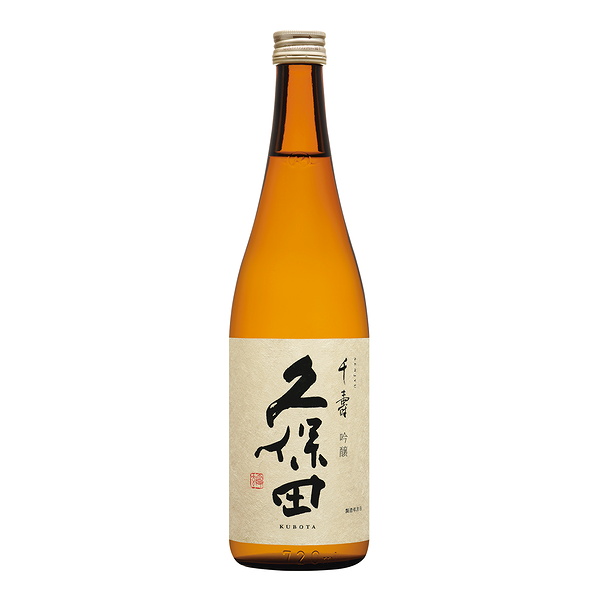
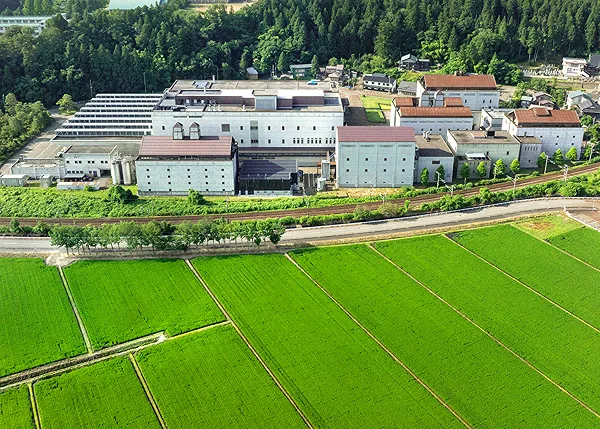
AsahiSake Brewery in Niigata Prefecture

A symbol of refinement that shaped a modern style.

In Nagaoka, Asahi Shuzo helped define the clean, polished Niigata style and continues to shape how refined sake is understood.

History of Asahi Brewery


Asahi Shuzo was founded in 1830 in Nagaoka, Niigata Prefecture. The brewery developed within one of Japan’s most important rice-growing regions, where the Shinano River, heavy snowfall, and fertile plains have long supported both farming and sake brewing.

After Japan’s rapid post-war growth, expectations around sake began to change. Drinkers looked for quality, individuality, and a clearer sense of choice. Asahi Shuzo responded by refining a style defined by precision, restraint, and structural elegance.

The launch of Kubota in the 1980s became a turning point. Its polished balance helped reposition sake as something to be deliberately selected, not simply consumed. In doing so, the brewery became one of the key names associated with modern Niigata sake.

Today, Asahi Shuzo continues to connect tradition with contemporary expectations. Its work is rooted in rice, water, and snow, but its outlook remains forward-facing.
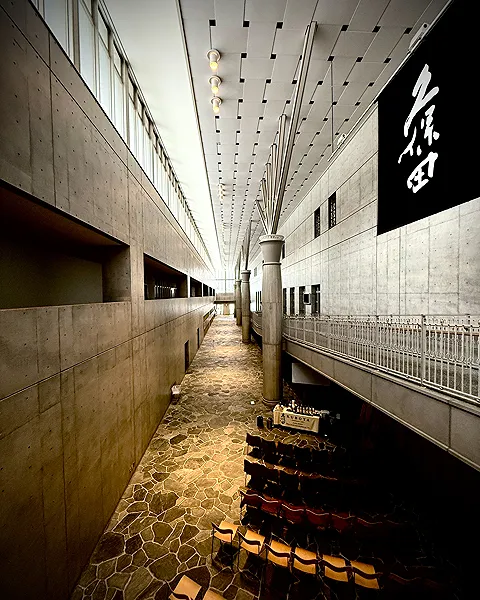
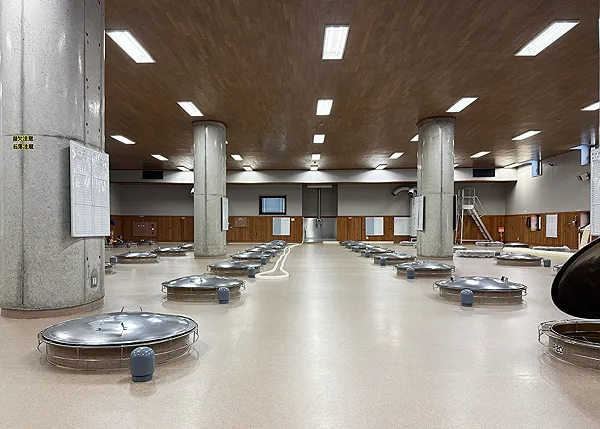
Philosophy of Asahi Brewery


Asahi Shuzo approaches brewing as a continual search for refinement. The brewery values clarity, clean finish, and harmony with food, while avoiding excessive aroma or unnecessary weight.

Clear Echigo water and carefully selected sake rice provide the foundation. Through consistent quality management, the brewery maintains a balanced style that feels precise without becoming severe.

Tradition is not treated as a fixed form. It is a framework for improvement. That is why Asahi Shuzo’s sake feels both established and current.

Prefecture

Niigata Prefecture Echigo Yuzawa | Chu-etsu Region in Japan

Nagaoka lies along the Shinano River, Japan’s longest river, in a region known for rich soil, heavy winter snow, and high-quality rice. These conditions form one of the great foundations of Niigata sake.

Snow accumulates in the surrounding mountains through winter, then melts slowly into clean groundwater. This soft water supports stable fermentation and helps create the transparent profile associated with the region.

Local cuisine, influenced by rice culture, preserved foods, mountain ingredients, and the Sea of Japan, values clarity and balance. Asahi Shuzo’s sake reflects that terroir through refined dryness, luminous texture, and a quiet sense of time.

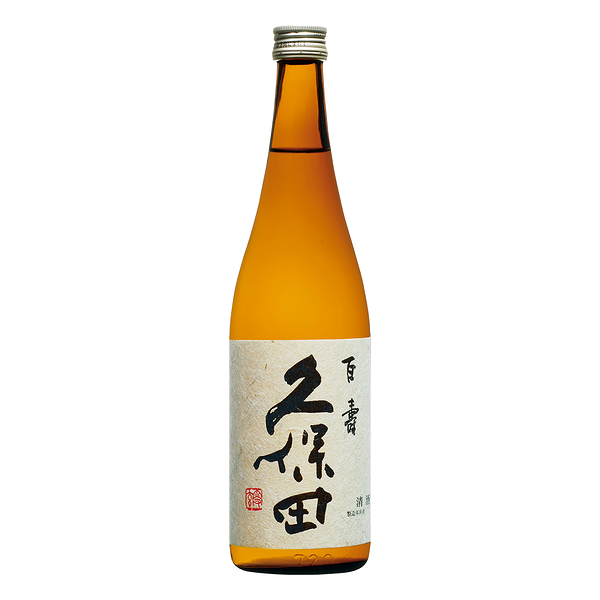
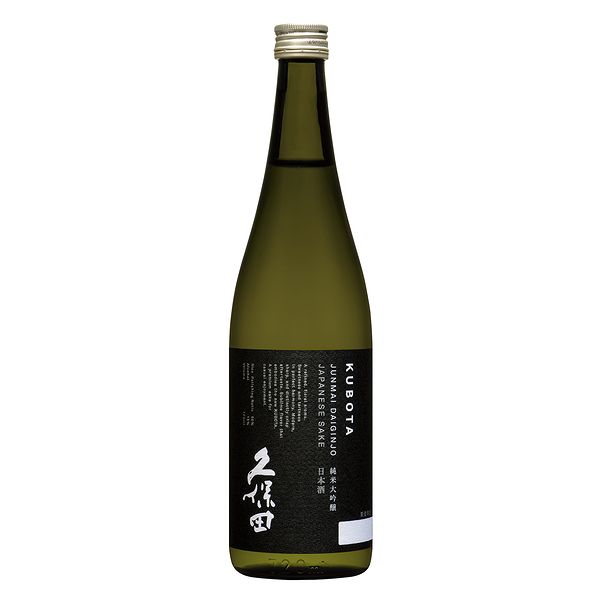
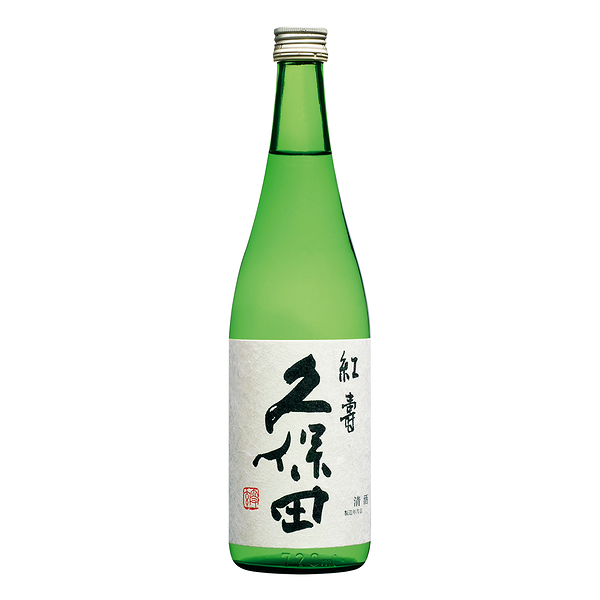
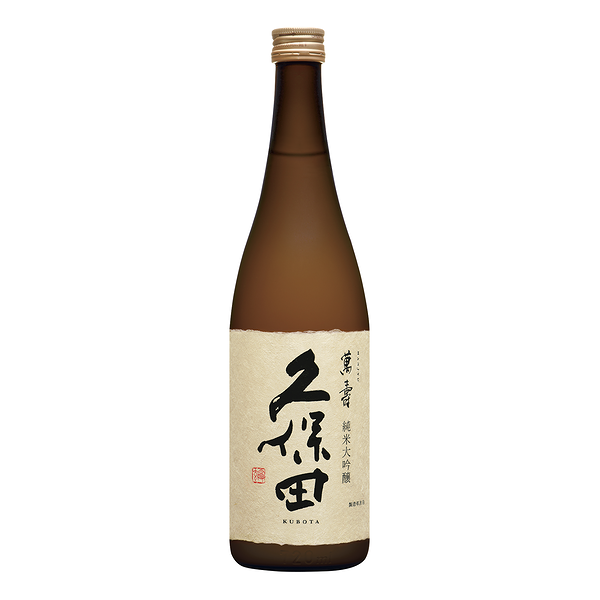
Asahi Sake Products

From the Interview

Reflections from Asahi Shuzo

Soft Water, Local Rice and the Human Skill Behind Niigata Sake

What stands out in the interview with Asahi Shuzo is the close relationship between water, rice and human skill. Soft spring water and snowmelt help shape the clean, gentle character associated with Niigata sake, while the brewery continues to combine modern measurement with the judgement of experienced brewers. With a history of around 190 years, Asahi Shuzo remains focused on quality and on the belief that good sake begins with good rice.

“It is soft water, and when we make sake with this water, we can produce a clean and delicious style. Sake made with soft water has a gentle mouthfeel and is easy to drink.”

Soft Water That Shapes a Clean, Gentle Style

Asahi Shuzo uses naturally occurring soft water from the local area. The brewery sees this water as especially well suited to sake brewing because it helps create a clean flavour and a soft, approachable texture.

This gentle water character is closely connected to the style of the sake itself. Rather than producing a heavy impression, it supports a smooth and easy drinking profile that reflects the wider character of Niigata sake.

“The snow melts and flows into the rice fields, and the rice grows with that water. By making sake with that rice, it becomes easier to produce a soft and clean style.”

Snow, Rice and the Character of Niigata Sake

The heavy snowfall of Niigata is part of the brewery's natural environment and also part of its agriculture. As the snow melts, the water flows into the rice fields and supports the growth of the rice used for brewing.

For Asahi Shuzo, this creates a direct connection between landscape and flavour. The same local water influences both the rice and the brewing process, helping to produce the soft, clean and refined style associated with the region.

“Things that used to depend on intuition, such as the feel of the rice or its temperature, can now be understood with thermometers and moisture meters. But when we understand one thing, many new questions appear.”

Using Technology to Ask Better Questions

As brewing technology has developed, many conditions that were once judged purely by experience can now be measured more precisely. Temperature and moisture can be monitored with instruments, making previously invisible information easier to understand.

For Asahi Shuzo, however, measurement does not bring an end to learning. Each new piece of information creates further questions. Technology therefore becomes part of an ongoing process of investigation rather than a replacement for craftsmanship.

“If you touch it by hand, you can understand immediately. You need people with that kind of skill making the sake, otherwise you cannot make truly good sake.”

Human Sensitivity Still Matters

Even with modern measuring equipment, Asahi Shuzo continues to place great importance on human senses. A thermometer may require time to give a reading, while an experienced brewer can recognise the right condition immediately through touch.

That difference can matter when temperatures are changing quickly and the next step needs to happen at exactly the right moment. Technology provides valuable information, but skilled judgement remains essential to the quality of the finished sake.

“‘Sake brewing begins with rice growing’ is one of our guiding phrases. We believe that without good rice, you cannot make good sake.”

Good Sake Begins with Good Rice

Asahi Shuzo has a history of around 190 years and describes its approach as one centred on quality. That philosophy begins before the brewing process itself, with careful attention to the rice.

The brewery's belief that sake brewing begins with rice growing reflects the importance it places on raw materials. Good brewing technique cannot compensate for poor ingredients, so rice production remains an essential part of the pursuit of quality.