Kikuno TsukasaSake Brewery in Iwate Prefecture

Kikuno Tsukasa Logo

The origin of sake preserved in winter’s discipline.

History of Kikuno Tsukasa Brewery


Kikuno Tsukasa Brewery was founded in 1772 in Morioka, Iwate Prefecture. As a former castle town and cultural centre of the Nanbu domain, Morioka has long held sake close to ceremony, celebration, and daily life.

The region is also known for the Nanbu Toji tradition. Harsh winters shaped brewing technique here, encouraging slow fermentation, careful management, and a deep respect for seasonal conditions. Kikuno Tsukasa has inherited that knowledge over many generations.

Its history is a story of continuity. The brewery has refined its sake over time without cutting itself away from the climate, culture, and craft that formed it.
Philosophy of Kikuno Tsukasa Brewery


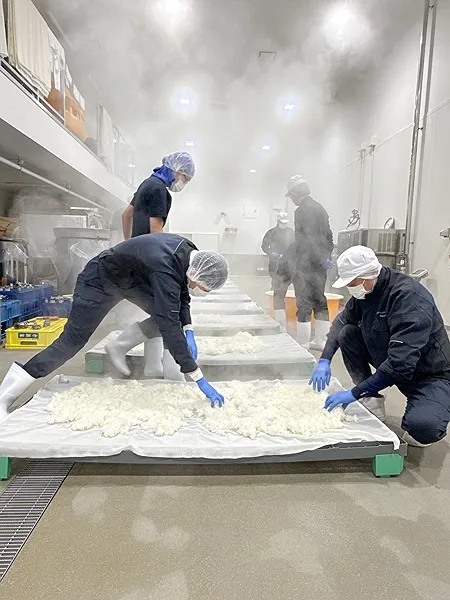
Kikuno Tsukasa treats brewing as the preservation of accumulated time. Technique is passed down, but never merely repeated. Each generation must understand why the method exists and how it should respond to the present.

Water from the Iwate mountain system helps create a clean flavour with a firm finish. Cold-weather brewing supports transparency, while careful fermentation brings out a quiet core of umami.

The brewery does not seek sudden transformation. It favours gradual refinement, allowing the past and present to remain in conversation.

Prefecture

Iwate Prefecture Morioka | Tohoku Region in Japan

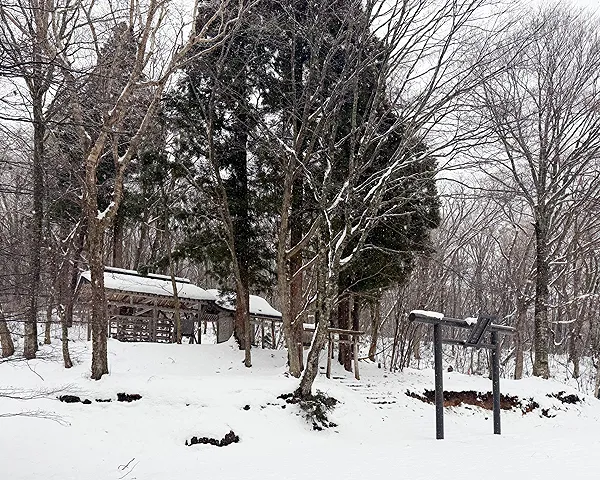
Morioka lies inland in Iwate, where winters are severe and the surrounding mountains provide clear water. These conditions have long supported cold-season brewing and helped shape the clean structure associated with the region.

Snow and rain from mountains such as Mt Iwate filter through the land before becoming brewing water. Fertile plains support rice cultivation, while local cuisine includes preserved foods and hearty seasonal dishes suited to northern winters.

Kikuno Tsukasa’s sake reflects this environment through clarity and endurance. It has the restraint of cold air, the depth of local food culture, and the quiet strength of a long brewing history.

Kikuno Tsukasa Sake Products

From the Interview

Reflections from Kikunotsukasa

Delivering the Freshness of Newly Pressed Sake Beyond the Brewery

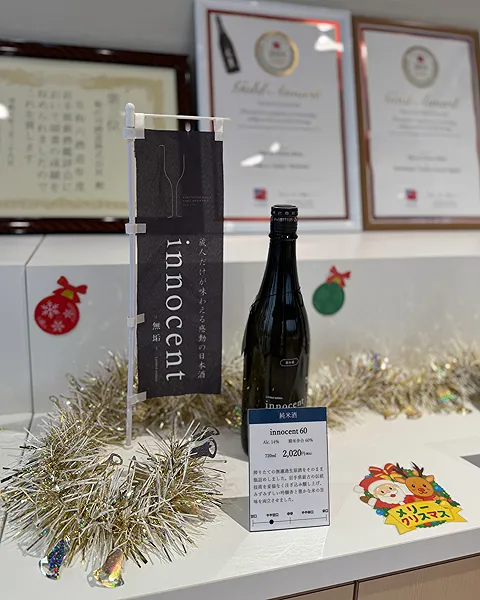
What stands out in the interview with Kikunotsukasa is the determination to preserve the freshness of nama sake and deliver that experience far beyond the brewery itself. Soft underground water from the Mount Iwate area creates a clean and gentle foundation, while refrigerated transport and low oxygen bottling help protect the sake after brewing. Innocent represents this approach most clearly, placing freshness at the centre of both the product and the drinking experience.

“It is soft water, so it is very well suited to making sake with a soft and clean character.”

Soft Water from the Mount Iwate Area

Kikunotsukasa draws underground water from wells close to Mount Iwate. The water is described as containing virtually no iron or manganese and being clean enough to drink directly.

Its soft character makes it particularly suitable for producing gentle, clean sake. This local water forms one of the foundations of the brewery's style, including the Innocent range.

“The main point of Innocent is that it is nama sake, fresh, fruity and clear.”

Fresh, Fruity and Clear

Innocent is described as the first product created after the current brewer took over at Kikunotsukasa. Its identity is built around the qualities of nama sake: freshness, fruitiness and clarity.

Rather than aiming for a mature or heavily developed style, the focus is on preserving the immediacy of newly pressed sake. The intention is to make that freshness available to drinkers even when they are far from the brewery.

“I think being able to experience drinking freshly pressed sake without actually being at the brewery is something very special, and that is what I most want people to enjoy.”

Experiencing Freshly Pressed Sake Away from the Brewery

The purpose of Innocent goes beyond simply offering an unpasteurised sake. Kikunotsukasa wants the drinker to experience something close to tasting sake immediately after pressing at the brewery.

In overseas markets, including the UK, this depends on an understanding of nama sake and careful temperature control. Maintaining refrigeration throughout the journey is therefore treated as part of the product itself, not merely as logistics.

“Keeping as much oxygen out as possible is also important because it helps prevent deterioration.”

Protecting Freshness Through Low Oxygen Bottling

Refrigeration is only one part of preserving the condition of the sake. Kikunotsukasa also tries to minimise the amount of oxygen introduced during bottling.

The filling nozzle is lowered to the bottom of the bottle and rises together with the sake as it fills. This reduces oxygen contact and helps the sake retain its fresh character for as long as possible after bottling.

“Innocent 40 is quite fruity, floral and sweet, so it can be enjoyed on its own, and it can also be paired with creamy dishes and desserts.”

Exploring Food Pairings Across the Innocent Range

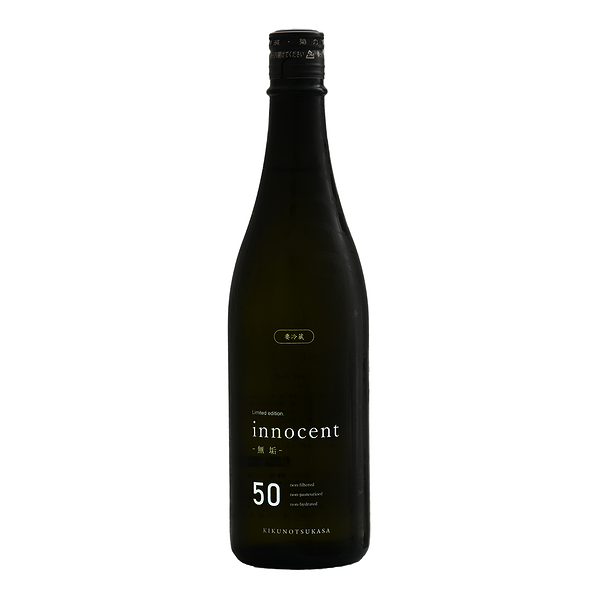
Innocent 40 is characterised by fruitiness, floral aromas and sweetness. It can be enjoyed by itself, but the brewery also suggests pairings with creamy dishes and desserts. Raw oysters and other seafood are another recommended direction.

Innocent 50 is made in a drier style with less sweetness and is considered suitable for lightly seasoned dishes, salty flavours and grilled fish. Tasting the different expressions side by side and discovering how each works with food is part of the intended experience of the range.