
Sake Rice
Sakamai
Just as grape varieties influence the character of wine, different rice varieties bring different qualities to sake — from delicate aromas and elegant sweetness to crisp dryness, rich umami and a long, rounded finish.
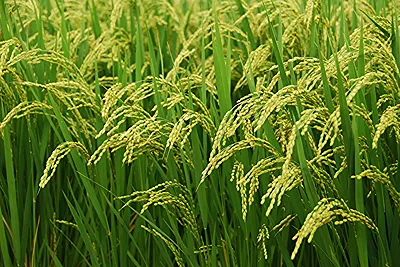
What Is Sake Rice?
Sake is made from rice, water, koji and yeast. Among these, rice plays a vital role in shaping the character of the final sake.
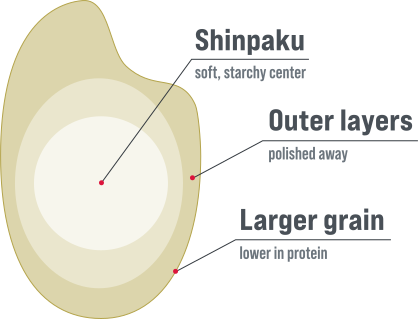
Rather than ordinary table rice, many premium sakes are made using special sake-brewing rice known as sakamai. These varieties are carefully suited to brewing: the grains are often larger, easier to polish, and have a soft, starchy centre called shinpaku. This allows the koji mould to work more effectively during fermentation.
Sake rice also tends to contain less protein than table rice, which helps create a cleaner, more refined flavour with fewer unwanted rough edges.
Five Representative Sake Rice Varieties
Below are five of Japan’s most representative sake rice varieties.
| Rice variety | In brief | Typical sake style | Main regions | Examples |
|---|---|---|---|---|
| Yamada Nishiki | The king of sake rice | Elegant, aromatic, smooth and refined | Hyogo, Okayama, Yamaguchi and others | Dassai and many premium daiginjo sakes |
| Gohyakumangoku | Light, clean and crisp | Dry, refreshing, sharp and food-friendly | Niigata, Hokuriku and other northern regions | Kubota Senju and many Niigata-style sakes |
| Miyama Nishiki | Clear and restrained | Clean, gentle, transparent and well-balanced | Nagano, Tohoku and cooler mountain regions | Masumi, MIYASAKA and others |
| Omachi | Deep, rich and characterful | Full-bodied, rounded, umami-rich and expressive | Mainly Okayama | Sake Hitotsuji and many Okayama Omachi sakes |
| Akita Sake Komachi | Soft, graceful and elegant | Gently sweet, refined, aromatic and light on the finish | Akita | Yuki no Bosha and other Akita sakes |
01Yamada Nishiki
The king of sake rice — elegant, aromatic and refined.
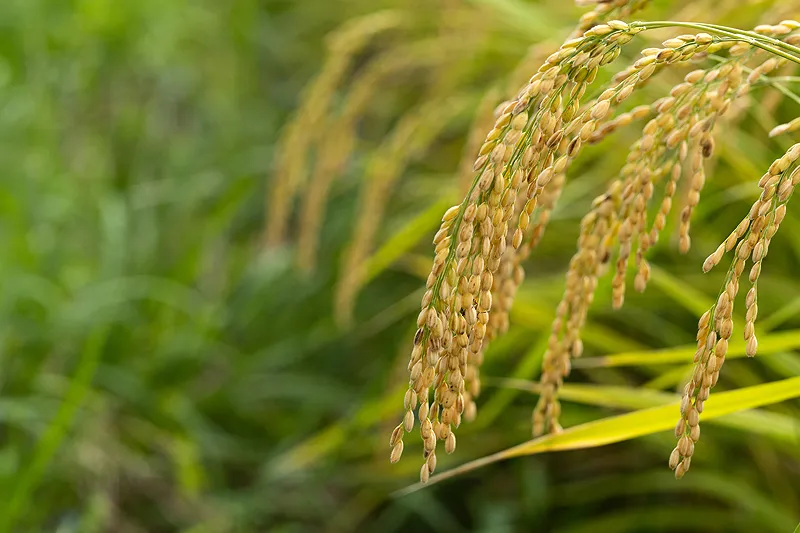
Yamada Nishiki is Japan’s most famous sake rice variety. It is often called the “king of sake rice” and is widely used for high-grade sake, including ginjo, daiginjo and junmai daiginjo.
Its large grains are well suited to polishing, and the rice is highly valued for its ability to produce fine koji. Sakes made with Yamada Nishiki often have a graceful aroma, a smooth texture and a beautifully balanced flavour. They can feel polished, elegant and quietly luxurious.
The most famous growing area is Hyogo Prefecture, especially the celebrated rice-growing districts of the region. Yamada Nishiki is also grown in places such as Okayama, Yamaguchi and Hiroshima.
Flavour impression Elegant · Aromatic · Smooth · Refined · Rounded
- In brief
- The king of sake rice
- Typical sake style
- Elegant, aromatic, smooth and refined
- Main regions
- Hyogo, Okayama, Yamaguchi and others
- Examples
- Dassai and many premium daiginjo sakes
02Gohyakumangoku
Light, clean and crisp — ideal for refreshing, dry sake.
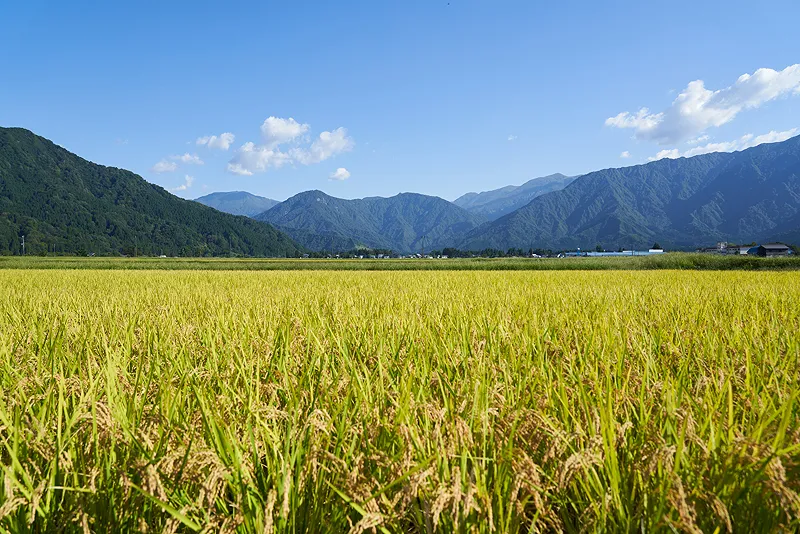
Gohyakumangoku is another major sake rice variety, especially associated with Niigata and the Hokuriku region. It is often used to create sake with a clean, light and crisp profile.
If Yamada Nishiki tends to bring elegance and breadth, Gohyakumangoku is more about freshness, clarity and sharpness. Sakes made with this rice are often dry, refreshing and easy to pair with food. They rarely feel heavy, making them especially suitable as everyday dining sake.
It is one of the key rice varieties behind the clean, dry style often associated with Niigata sake.
Flavour impression Clean · Light · Dry · Crisp · Refreshing
- In brief
- Light, clean and crisp
- Typical sake style
- Dry, refreshing, sharp and food-friendly
- Main regions
- Niigata, Hokuriku and other northern regions
- Examples
- Kubota Senju and many Niigata-style sakes
03Miyama Nishiki
A clear, restrained rice from cooler regions.
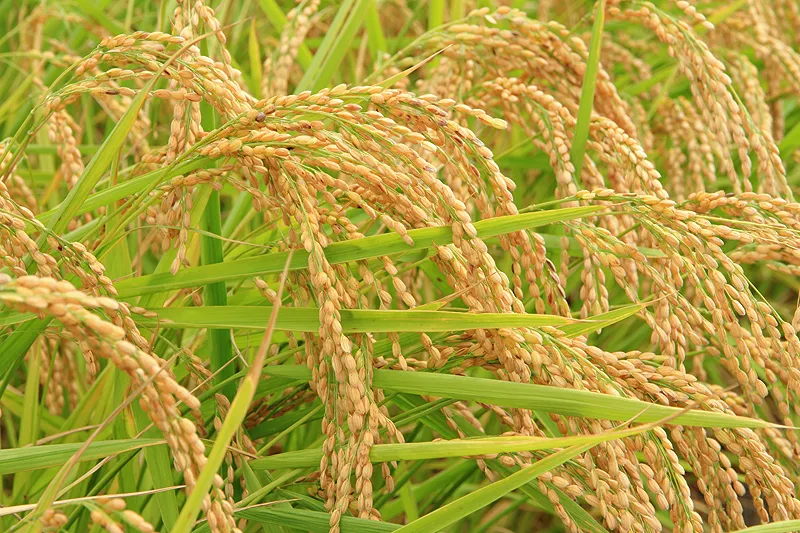
Miyama Nishiki is widely grown in Nagano and other cooler areas, including parts of the Tohoku region. Its name evokes beautiful mountain landscapes, and the sake it produces often has a similarly clear and composed character.
Compared with Yamada Nishiki, Miyama Nishiki is usually less flamboyant. Compared with Gohyakumangoku, it can feel a little softer and more rounded. It often gives sake a clean, transparent quality, with gentle aroma, moderate umami and a neat, well-balanced finish.
This rice is particularly well suited to sake that feels pure, quiet and refreshing rather than bold or heavily aromatic.
Flavour impression Clear · Gentle · Restrained · Balanced · Refreshing
- In brief
- Clear and restrained
- Typical sake style
- Clean, gentle, transparent and well-balanced
- Main regions
- Nagano, Tohoku and cooler mountain regions
- Examples
- Masumi, MIYASAKA and others
04Omachi
A historic rice variety with depth, richness and character.
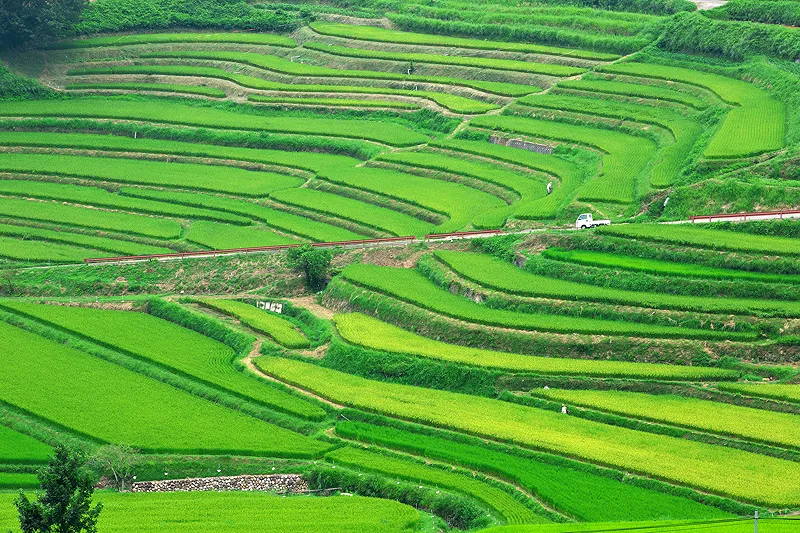
Omachi is one of Japan’s oldest and most distinctive sake rice varieties. It is closely associated with Okayama Prefecture and has a devoted following among sake lovers.
Sakes made with Omachi often have more body and depth than those made with lighter rice varieties. They can show rich umami, soft sweetness, rounded acidity and a long, satisfying finish. Rather than being simply clean and sharp, Omachi sake often feels generous, expressive and layered.
It is also a rice variety that can show its character beautifully at different temperatures, including slightly warmed sake.
Flavour impression Rich · Rounded · Umami-driven · Full-bodied · Expressive
- In brief
- Deep, rich and characterful
- Typical sake style
- Full-bodied, rounded, umami-rich and expressive
- Main regions
- Mainly Okayama
- Examples
- Sake Hitotsuji and many Okayama Omachi sakes
05Akita Sake Komachi
A graceful Akita rice for soft, elegant sake.
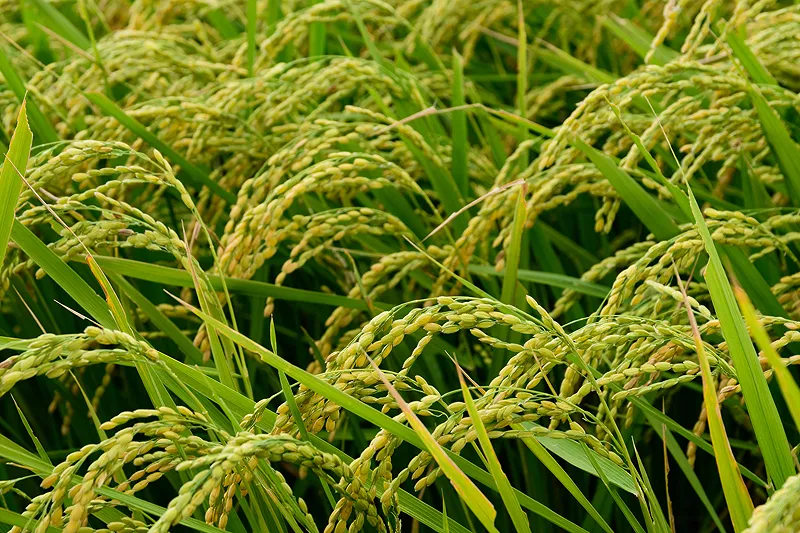
Akita Sake Komachi is a sake rice variety developed in Akita Prefecture. It was created to support the region’s ginjo-style brewing and has become an important part of Akita’s sake identity.
This rice is well suited to polished, aromatic sake. It often produces sake with a soft texture, gentle sweetness and an elegant aroma. The flavour tends to be refined and approachable, with a clean, light finish rather than heaviness.
Akita Sake Komachi reflects the delicate, graceful side of Akita sake: smooth, fragrant and quietly expressive.
Flavour impression Soft · Elegant · Gently sweet · Aromatic · Clean
- In brief
- Soft, graceful and elegant
- Typical sake style
- Gently sweet, refined, aromatic and light on the finish
- Main regions
- Akita
- Examples
- Yuki no Bosha and other Akita sakes
Understanding Sake Through Rice
Sake rice is more than just an ingredient. It is one of the key elements that gives sake its personality.
01 Yamada Nishiki
brings elegance and polish.
02 Gohyakumangoku
gives clarity and crispness.
03 Miyama Nishiki
offers purity and balance.
04 Omachi
creates depth and richness.
05 Akita Sake Komachi
brings softness and grace.
By understanding these rice varieties, we can begin to see sake not as one single drink, but as a world of subtle regional character, craftsmanship and flavour.
Learn Sake
Sake Basics
What Is Sake?
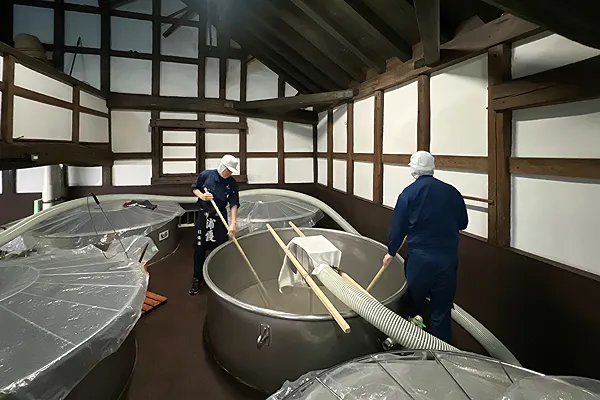
Sake starts with a few simple ingredients: rice, water, koji and yeast. Here are the basics of how they come together to make Japan’s traditional drink.
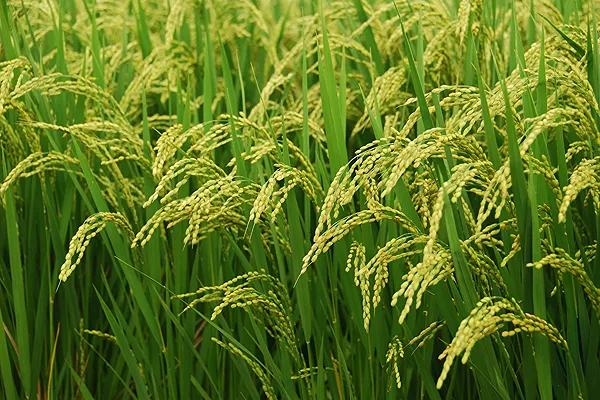
Sake Rice Varieties
Discover Type of Sake Rice
Different varieties, such as Yamadanishiki or Omachi, influence body, aroma and balance, creating distinct expressions in the final brew.