Sake Basics

Questions & Answers

Eight short answers on where sake comes from, what it is made from, and how the rice polishing ratio relates to Junmai grades.

Q1

When did people first start making sake in Japan?


There is no single confirmed year when sake production began.

Alcoholic drinks made from rice are thought to have appeared as rice cultivation spread through Japan, possibly during the Yayoi period (around 300 BC onwards). More organised forms of sake brewing are documented much later, particularly during the Nara period (AD 710–794).

For a general introduction, sake can therefore be described as having origins that go back more than 2,000 years.

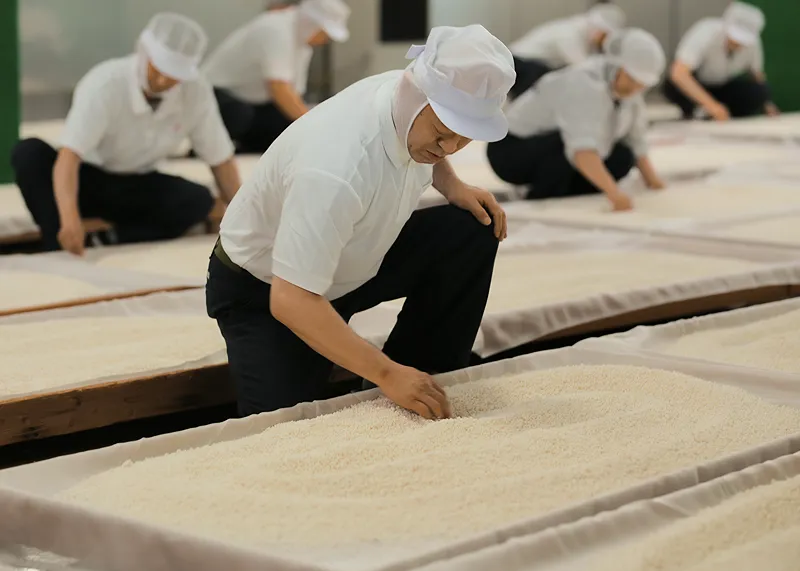
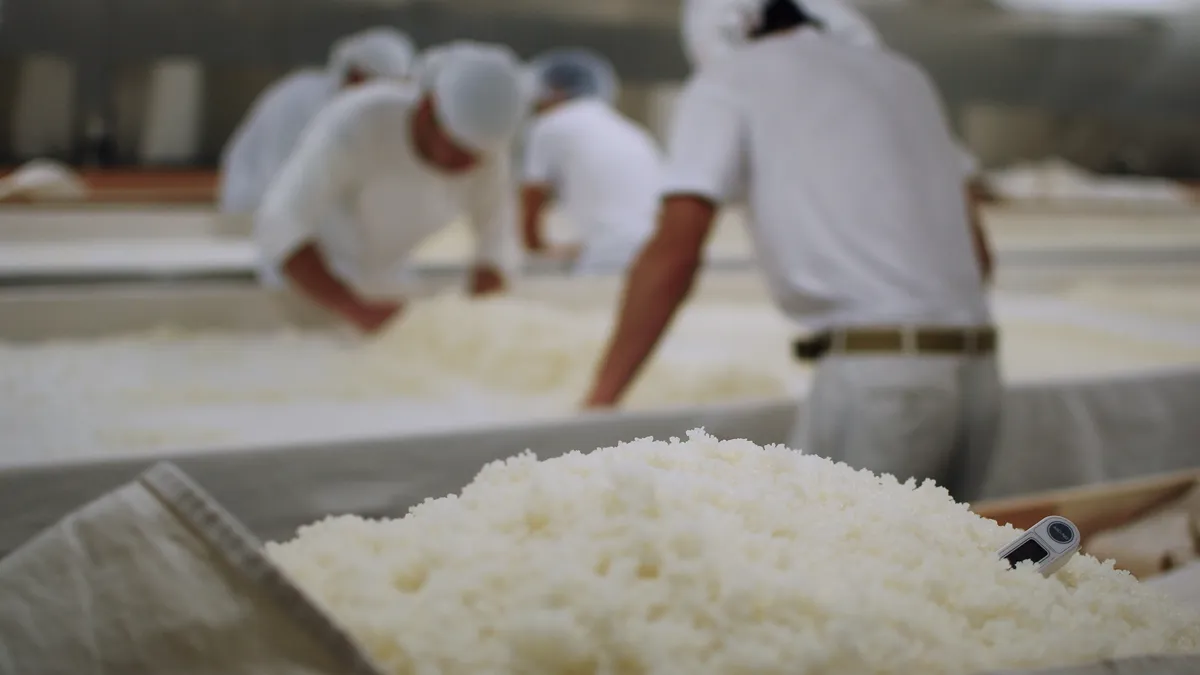
Matsumoto Brewery
  1. Around 300 BC onwards

    Yayoi period

    Rice-based drinks possibly appear as rice cultivation spreads through Japan.

  2. AD 710–794

    Nara period

    More organised forms of sake brewing are documented.

  3. In summary

    More than 2,000 years

    A fair way to describe the origins of sake in a general introduction.

Q2

What is sake made from?


The main ingredients used in sake brewing are rice, water, rice koji and yeast.

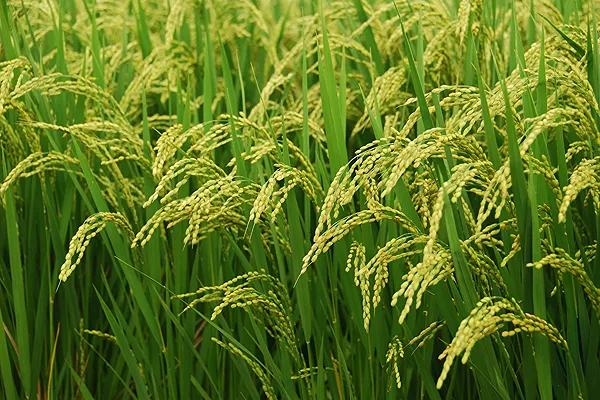
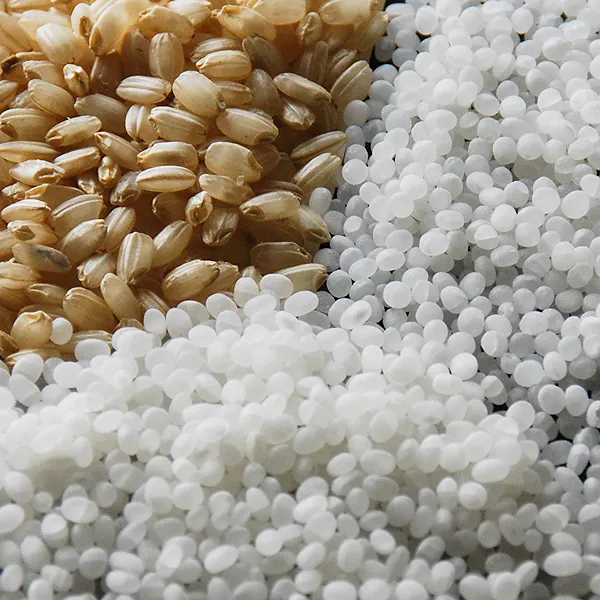
  • Polished sake rice grains

    Rice

    01
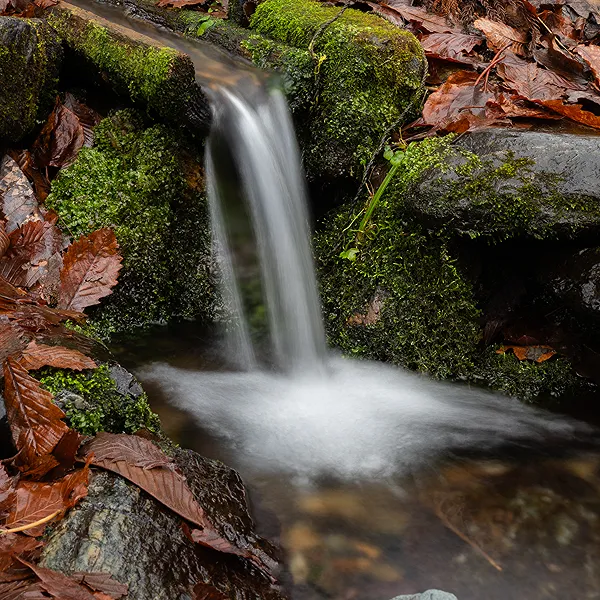
  • Clear spring water

    Water

    02
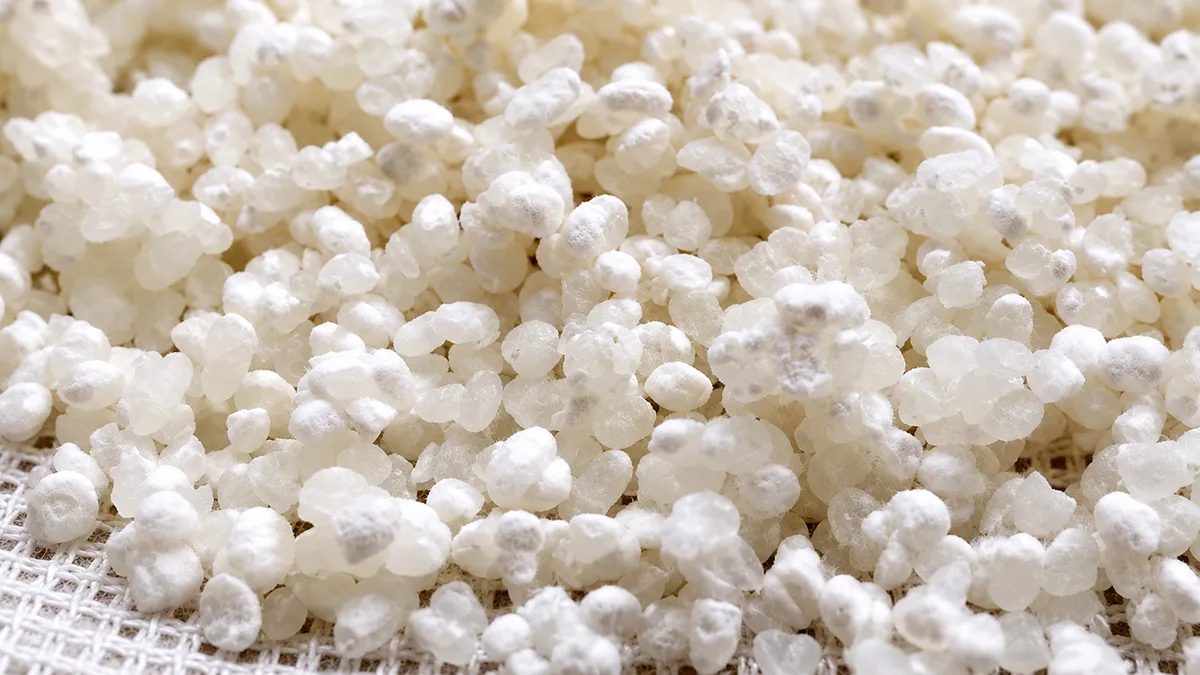
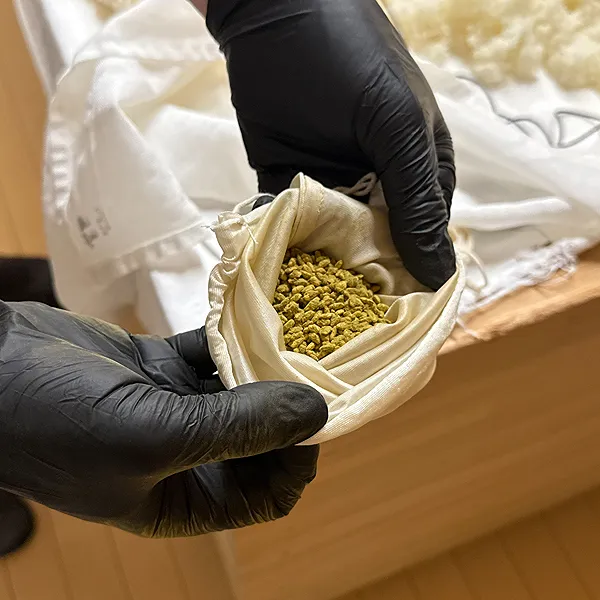
  • Close-up of rice koji

    Rice koji

    03
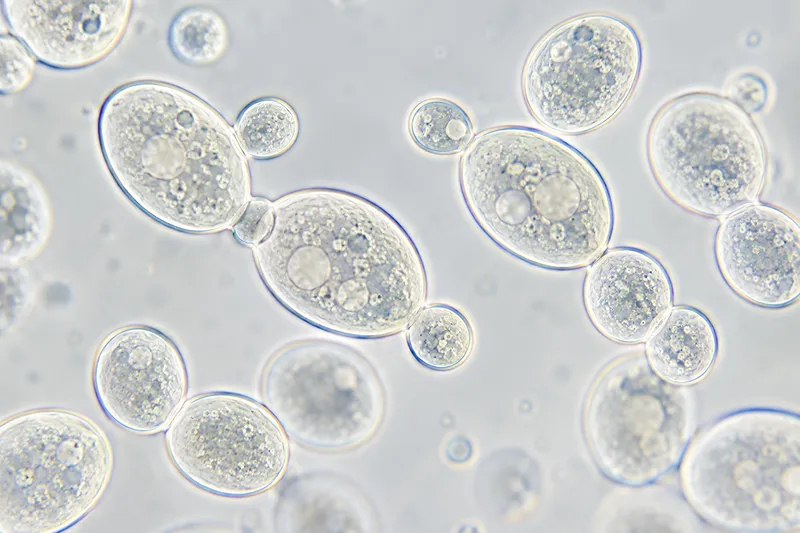
  • Yeast

    Yeast

    04

Some types of sake also contain a small amount of distilled brewing alcohol.

Q3

What is rice koji?


Rice koji is steamed rice on which koji mould (Aspergillus oryzae) has been cultivated.

The enzymes produced by koji break down the starch in rice into sugars that yeast can ferment. This makes koji essential to sake brewing.

  1. Rice starch
  2. Koji
  3. Sugar
  4. Yeast
  5. Alcohol

Q4

What is yeast, and what is it made from?


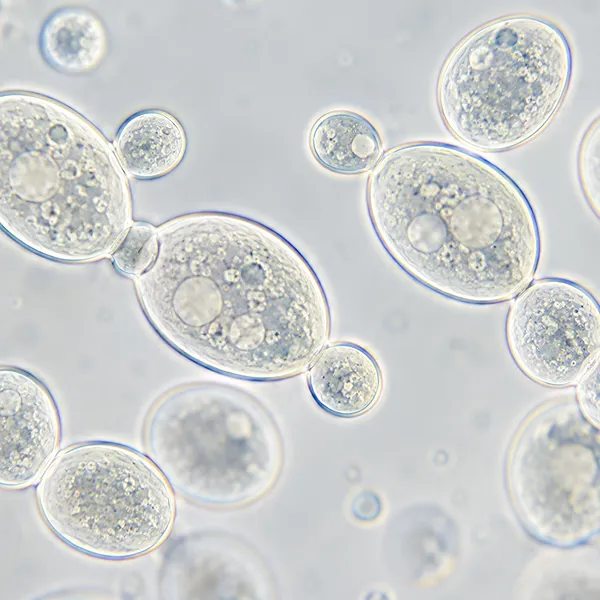
Yeast is not made from rice or another sake ingredient. It is a naturally occurring microorganism belonging to the fungi.

In modern sake brewing, selected strains of sake yeast are commonly cultivated and used because of their fermentation characteristics. The yeast consumes the sugars produced with the help of koji and converts them primarily into alcohol and carbon dioxide.

  1. Sugar
  2. Yeast fermentation
  3. Alcohol
  4. +
  5. Carbon dioxide

Q5

If there were no laboratories in ancient Japan, how was yeast cultivated?


Brewers in ancient Japan did not cultivate pure strains of sake yeast in the modern scientific sense.

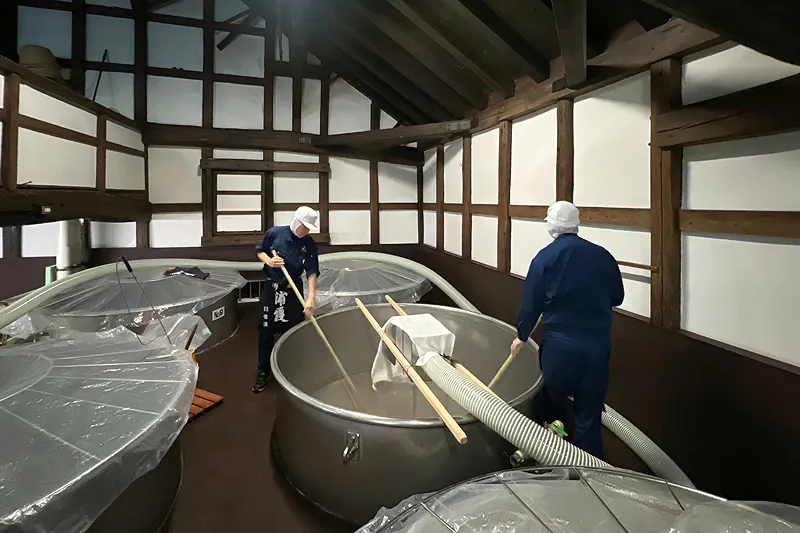
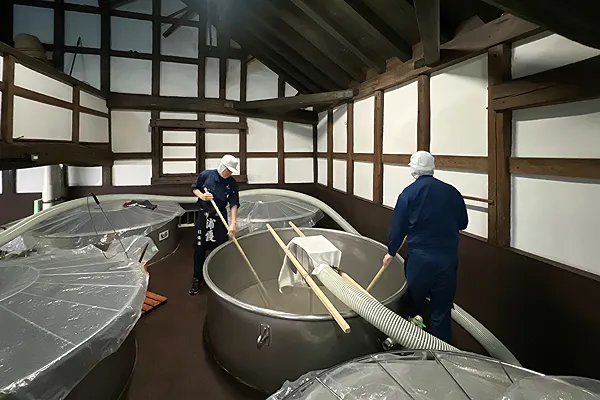
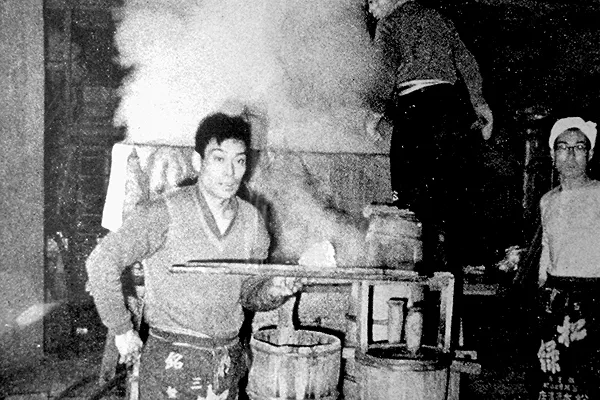
Traditional wooden brewing vats and tools

Then

Yeast from the environment

Yeasts naturally present in the environment (including those associated with ingredients, brewing equipment and the surrounding environment) could enter the brewing mixture, multiply and cause fermentation.

Cultivated sake yeast in a laboratory

Now

Selected yeast strains

Modern sake brewing is different. Selected yeast strains can be isolated, cultivated and deliberately introduced into the brewing process, allowing brewers much greater control over fermentation.

Q6

What does the rice polishing ratio mean?


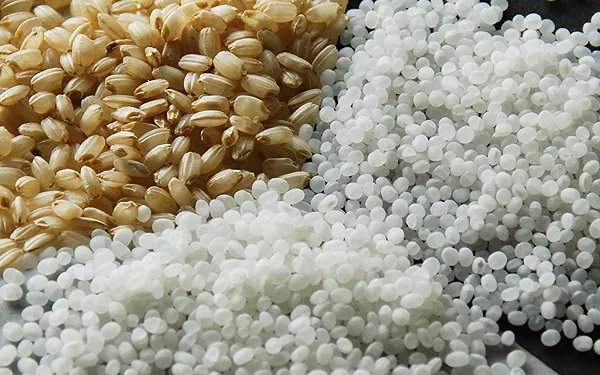
The rice polishing ratio (seimai-buai) indicates how much of the original rice grain remains after polishing.

The outer layers of the rice contain relatively more proteins, fats and minerals. Removing more of these layers can help brewers achieve different aroma and flavour characteristics.

Rice grains side by side unpolished and polished

How much of the grain remains

70% polishing ratio
70% remains
30% removed
50% polishing ratio
50% remains
50% removed
Remaining grain Outer layers polished away

Q7

How does the rice polishing ratio relate to Junmai sake?


The basic categories can be understood as follows.

  • Example bottle of Junmai sake

    Junmai

    No specific requirement

    Rice polishing ratio

  • Example bottle of Junmai Ginjo sake

    Junmai Ginjo

    60 % or less

    Rice polishing ratio

  • Example bottle of Junmai Daiginjo sake

    Junmai Daiginjo

    50 % or less

    Rice polishing ratio

Therefore, sake made with rice polished to 70% can be classified as Junmai, provided it meets the other requirements for Junmai sake.

Q8

Does a 50% polishing ratio automatically make a sake Junmai Daiginjo?


No.

Rice polishing ratio is only one of the requirements. Junmai Ginjo and Junmai Daiginjo must also be produced using ginjo brewing techniques and meet the applicable standards for aroma, flavour and appearance.

In simple terms, ginjo brewing involves carefully controlled fermentation, traditionally associated with lower-temperature, longer fermentation and the development of characteristic aromas known as ginjo-ka.

50% polishing ratio

≠

Automatically Junmai Daiginjo

The brewing method is also important.

Q9

What is the difference between Junmai and Honjozo sake?


The main difference is whether brewer’s alcohol is added.

Example bottle of Junmai sake

Junmai

No added brewer’s alcohol

Main ingredients
  • Rice
  • Rice koji
  • Water
Brewer’s alcohol
Not added
Rice polishing ratio
No specific requirement
General character
Often highlights the natural richness and umami of rice.
Example bottle of Honjozo sake

Honjozo

A small amount of brewer’s alcohol is added

Main ingredients
  • Rice
  • Rice koji
  • Water
  • + Brewer’s alcohol
Brewer’s alcohol
A small amount is added
Rice polishing ratio
70 % or less
General character
Often lighter and smoother, with aromas that can be more pronounced.

Why brewer’s alcohol is added

In Honjozo sake, a limited amount of brewer’s alcohol is added during the brewing process. Its purpose is not simply to increase the amount of sake produced; it can help draw out aromas and create a cleaner, lighter finish.

A simple way to remember

Junmai
no added brewer’s alcohol
Honjozo
a small amount of brewer’s alcohol is added

Q10

What are Ginjo and Daiginjo sake, and what does “Ginjo brewing” mean?


Ginjo and Daiginjo are premium sake categories made with highly polished rice using a brewing method known as Ginjo brewing.

Ginjo sake is made with rice polished to 60% or less of its original size, while Daiginjo requires a polishing ratio of 50% or less. A small amount of brewer’s alcohol may be added to both.

A simple way to understand the categories

Ginjo / Daiginjo brewer’s alcohol may be added

  • Ginjo

    Rice polishing ratio 60 % or less

    Brewer’s alcohol: may be added

  • Daiginjo

    Rice polishing ratio 50 % or less

    Brewer’s alcohol: may be added

Junmai Ginjo / Junmai Daiginjo no brewer’s alcohol is added

  • Junmai Ginjo

    Rice polishing ratio 60 % or less

    Brewer’s alcohol: not added

  • Junmai Daiginjo

    Rice polishing ratio 50 % or less

    Brewer’s alcohol: not added

The method

Ginjo brewing

Ginjo brewing generally involves fermenting highly polished rice slowly at relatively low temperatures. This careful fermentation helps create delicate flavours and distinctive fruity or floral aromas known as ginjo-ka.

  1. 01 Highly polished rice
  2. 02 Slow fermentation at relatively low temperatures
  3. 03 Delicate flavours and ginjo-ka aromas

Ginjo-ka aromas

These aromas are often compared to fruits such as apple, pear, melon and banana.