
Learn About Japanese Sake
Japanese sake is shaped by basic ingredients such as rice, water, and koji. It is also shaped by the local climate and by the way each brewery has been making sake for generations.
Different regions taste different. The rice variety, how much it is polished, and the local dishes commonly enjoyed in each region also shape the preferred style of sake there.
When you know these basics, you can enjoy sake more. Tradition, craftsmanship, and place are what give each sake its character.
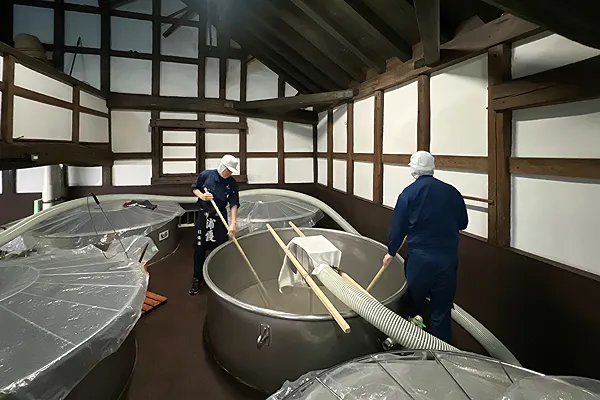
Sake Basics
What Is Sake?
Sake starts with a few simple ingredients: rice, water, koji and yeast. Here are the basics of how they come together to make Japan’s traditional drink.
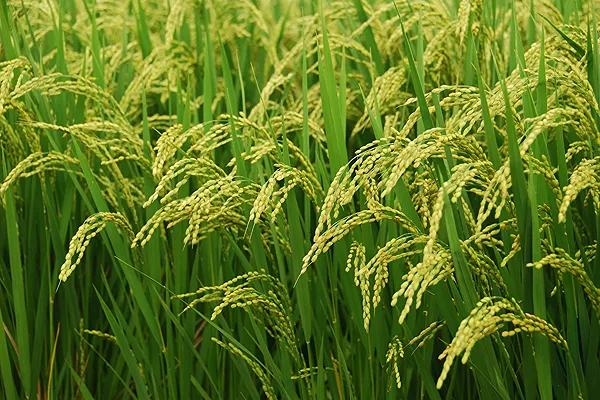
Sake Rice Varieties
Discover Type of Sake Rice
Different varieties, such as Yamadanishiki or Omachi, influence body, aroma and balance, creating distinct expressions in the final brew.
Sake Explained with Wine in Mind
Wine Grapes and Sake Rice
When we talk about sake with wine drinkers in the West, we find it easiest to begin with a familiar comparison. In the same way that wine begins with grapes, sake begins with rice. The rice variety and how far it is polished shape the overall character, much like grape variety and ripeness influence a wine’s aroma and structure.
But sake has two essential partners that wine does not have in the same way: water and koji.
Water is not just something used around the process. It is a core ingredient throughout brewing. The mineral balance of local water affects how fermentation develops, how clean or rounded the texture feels, and how flavours settle on the palate. If we are used to thinking about terroir in wine, we can imagine water as one of the most direct expressions of place in sake.
Koji is even more central. In wine, grapes already contain fermentable sugar, and yeast turns that sugar into alcohol. Rice is mostly starch, so it needs to be converted first. Koji is steamed rice inoculated with a special mould called Aspergillus oryzae. The enzymes it produces break starch into sugar, while yeast simultaneously ferments that sugar into alcohol. This parallel process is one reason sake can feel both layered and smooth.
So if grapes are the starting point of wine, rice is the starting point of sake, and water and koji are what bring it fully to life.